
Hair Accessories Manufacturer: How to Choose One
Meta Title: Hair Accessories Manufacturer: How to Choose a Reliable FactoryMeta Description: Learn how to choose a reliable hair accessories manufacturer for your brand. Compare OEM, ODM, MOQ, materials, logo options, quality control, lead time, and supplier red flags.Choosing the right Hair Accessories Manufacturer is one of the most important sourcing decisions for beauty brands, fashion retailers, wholesalers, and private label businesses. A good factory does more than produce scrunchies, claw clips, headbands, hair bows, and hair ties. It protects your product quality, delivery schedule, brand image, retail packaging, and long-term profit margin.The global demand for hair accessories continues to grow. According to Fortune Business Insights, the global hair accessories market was valued at USD 21.01 billion in 2025 and is projected to reach USD 39.80 billion by 2034. Grand View Research also reports strong long-term growth, driven by fashion styling, social media trends, and the demand for functional yet decorative hair products.For brands, this growth creates opportunity. It also creates risk. More suppliers are entering the market, but not every hair accessories factory has stable production, reliable quality control, export experience, or the ability to support custom logo and retail packaging requirements. This guide explains what a professional hair accessories manufacturer does, why supplier selection matters, how to compare factories, and what mistakes to avoid before placing a bulk order.Table of Contents
- What Is a Hair Accessories Manufacturer?
- Why Choosing the Right Hair Accessories Manufacturer Matters
- Key Factors to Consider When Choosing a Hair Accessories Factory
- How to Communicate with a Hair Accessories Manufacturer
- Common Mistakes to Avoid When Choosing a Supplier
- FAQ
- Conclusion
What Is a Hair Accessories Manufacturer?
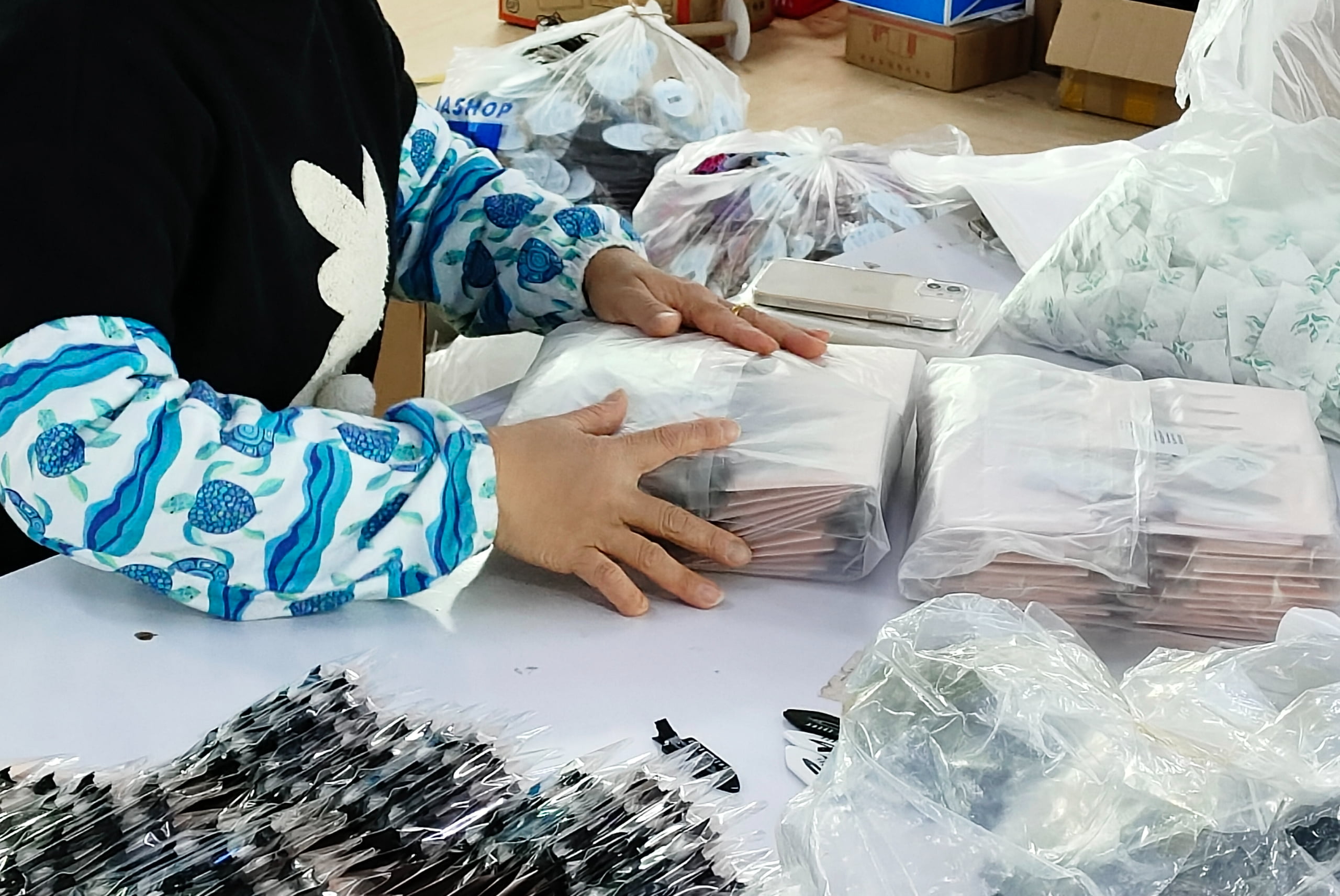
A hair accessories manufacturer is a factory or production partner that develops and produces hair-related fashion and beauty accessories for brands, retailers, wholesalers, importers, gift companies, and private label businesses. Unlike a trading company that may only source ready-made products, a real manufacturer usually has deeper control over materials, sampling, production, inspection, packing, and customization.In the B2B market, a professional hair accessories factory often supports both standard product development and customized projects. This may include selecting fabric, matching Pantone colors, adjusting sizes, creating new shapes, adding logo details, developing retail packaging, and preparing export-ready cartons for different sales channels.For example, Q&N Beauty’s product collection includes customizable hair accessories such as scrunchies, headbands, claw clips, barrettes, bobby pins, hair combs, butterfly clips, hair bows, and seasonal accessories. These are typical categories that a brand may develop with a factory for fashion, beauty, gift, promotional, or retail programs.Common Types of Hair Accessories Manufacturers Produce
Hair accessories cover a wide product range. Some factories specialize in fabric-based accessories, while others focus on plastic, resin, acetate, or metal styles. A strong supplier should either have in-house capability or a stable production network for different constructions.| Product Type | Common Materials | Best For | Customization Options |
|---|---|---|---|
| Scrunchies | Satin, velvet, cotton, organza, RPET, silk-like fabric | Fashion brands, beauty gift sets, retail packs | Fabric, size, elastic, logo label, hang tag, packaging |
| Claw Clips | Plastic, acrylic, resin, acetate-style material, metal spring | Fashion retailers, boutiques, lifestyle brands | Shape, color, finish, logo, card, retail box |
| Headbands | Fabric, sponge, satin, velvet, terry, elastic, plastic base | Beauty brands, fashion boutiques, spa brands | Width, padding, fabric, knot, bow, label, packaging |
| Hair Bows | Ribbon, satin, grosgrain, lace, organza, cotton print | Kids brands, coquette collections, seasonal gifts | Bow size, clip type, ribbon color, logo card |
| Hair Ties | Elastic, nylon, polyester, cotton-covered elastic | Daily basics, multi-pack retail, promotional items | Color, diameter, elasticity, card packaging |
| Spa Headbands | Terry, coral fleece, microfiber, plush, elastic fabric | Skincare, makeup, spa, hotel, gift sets | Logo embroidery, woven label, gift pouch, set packaging |
OEM vs ODM Hair Accessories Manufacturing
Most professional suppliers offer both OEM hair accessories manufacturing and ODM hair accessories manufacturing. Understanding the difference helps you choose the right development path.| Model | Meaning | Best For | Pros | Cons |
|---|---|---|---|---|
| OEM | The buyer provides design, size, material, logo, and packaging requirements. | Established brands with clear product concepts. | High brand control, unique design, better differentiation. | Longer development time and higher sampling effort. |
| ODM | The factory provides existing or semi-developed styles that can be customized. | Startups, retailers, fast seasonal launches. | Faster sampling, lower development risk, easier selection. | Less exclusive unless modified with custom details. |
| Private Label | The buyer uses factory-developed products with custom branding and packaging. | Online sellers, boutiques, beauty gift programs. | Quick launch, brand-ready, flexible assortment. | Product uniqueness depends on material, color, and packaging upgrades. |
Why Choosing the Right Hair Accessories Manufacturer Matters
Choosing a Hair Accessories Manufacturer is not only about finding a low unit price. It is about reducing sourcing risk. A weak supplier can cause inconsistent color, poor stitching, weak elasticity, loose clips, delayed production, packaging mistakes, or expensive rework. A reliable manufacturer helps protect both product performance and customer experience.In the current market, hair accessories are often impulse-driven and trend-sensitive. Social media platforms, beauty tutorials, influencer styling, and seasonal fashion launches can quickly increase demand for a certain style. A supplier with slow sampling or unstable production may cause the brand to miss the selling window.Product Quality and Brand Reputation
Hair accessories look simple, but small quality problems are easy for consumers to notice. A scrunchie with weak elastic may lose shape after a few uses. A headband with rough seams may feel uncomfortable. A claw clip with a weak spring may fail to hold hair properly. A bow with uneven stitching may look cheap in retail photos.For brands selling in the U.S. and Europe, quality is also connected to reviews, returns, repeat purchase, and wholesale buyer confidence. A product that looks attractive in photos but fails in daily use can damage the brand quickly.| Quality Area | What to Check | Why It Matters |
|---|---|---|
| Fabric | Color consistency, shrinkage, hand feel, thickness | Affects perceived value and product comfort. |
| Elastic | Stretch recovery, firmness, durability | Important for scrunchies, hair ties, and headbands. |
| Stitching | Clean seams, no loose threads, even construction | Directly affects appearance and durability. |
| Clip Strength | Spring tension, teeth alignment, open-close testing | Critical for claw clips and hair clips. |
| Logo | Position, color accuracy, readability, durability | Protects brand presentation. |
| Packaging | Barcode, label, card, box, carton mark | Important for retail, warehouse, and ecommerce fulfillment. |
Production Lead Time and Delivery Stability
Lead time is one of the most common pain points in custom hair accessories sourcing. Many buyers underestimate the time needed for material sourcing, color matching, logo testing, sampling, revision, production, inspection, packing, and shipping.A reliable factory should provide a clear production timeline before the order starts. If the order includes custom-dyed fabric, special resin color, retail box packaging, barcode labels, or multiple SKUs, the timeline should be planned more carefully.Customization Capability and Cost Control
Customization is where a professional manufacturer can create real value. The best supplier is not always the cheapest one. It is the one that can recommend the right balance between appearance, function, MOQ, production efficiency, and target price.For example, if a buyer wants a premium satin scrunchie but has a tight budget, the factory may recommend imitation silk polyester instead of real silk. If a brand wants a luxury claw clip effect, acetate-style material or high-gloss resin may create a stronger retail look than basic plastic. If the buyer needs visible branding but wants to control cost, a woven label or hang tag may be better than a metal logo charm.| Customization Goal | Premium Option | Cost-Control Option | Factory Recommendation |
|---|---|---|---|
| Luxury fabric look | Real silk | Imitation silk polyester | Use real silk for luxury retail, imitation silk for volume programs. |
| Strong brand logo | Metal charm | Woven label or hang tag | Use metal for boutique collections, woven labels for daily basics. |
| Custom packaging | Rigid gift box | Paper card or OPP bag with sticker | Match packaging to sales channel and retail price. |
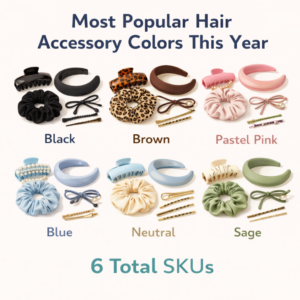
| Seasonal color range | Custom-dyed Pantone colors | Available fabric colors | Use stock colors for quick test orders, custom colors for repeat programs. |
Key Factors to Consider When Choosing a Hair Accessories Factory
To choose a reliable Hair Accessories Manufacturer, buyers need a structured evaluation method. Do not judge only by a catalog or a low quotation. A strong supplier should show factory experience, product range, customization ability, stable MOQ policy, sampling process, quality control, and export knowledge.Factory Experience and Production Capacity
Experience matters because hair accessories production involves many small details. A factory that has worked with global brands, wholesalers, and retailers is more likely to understand color tolerance, packaging standards, carton labels, shipping documents, compliance requests, and inspection requirements.When checking factory capacity, ask about the number of workers, production lines, monthly capacity, main product categories, peak season schedule, and whether the supplier can handle repeat orders. On its about page, Q&N Beauty states that it has over 15 years of industry experience and supports B2B OEM/ODM services for wholesalers, retailers, and brand owners.Product Range and Customization Options
A broad product range helps buyers build complete collections. For example, a beauty brand may want spa headbands, scrunchies, and matching cosmetic pouches. A fashion retailer may want claw clips, bow clips, scarf scrunchies, and seasonal headbands. A gift company may want multi-piece sets with custom card packaging.Useful internal pages to link from a product or blog strategy include:- Hair Scrunchie Collection
- Claw Clips Collection
- Headbands Collection
- Wholesale Hair Accessories Factory
- Contact the Sales Team
Material Options and Logo Techniques
The right material depends on product function, brand positioning, season, retail price, and customer group. Satin and velvet are popular for scrunchies and headbands. Terry and microfiber are useful for spa and skincare headbands. Resin, plastic, and acetate-style materials are common for claw clips. Ribbon, lace, and organza are often used for hair bows and feminine collections.Logo technique should also match product type. Embroidery creates a premium look on fabric accessories. Woven labels work well for scrunchies and headbands. Silk screen printing is suitable for simple logos. Heat transfer can support more detailed graphics. Metal charms create a boutique feeling but increase cost.| Logo Method | Best Product Type | Advantages | Limitations |
|---|---|---|---|
| Woven Label | Scrunchies, headbands, spa bands | Soft, premium, brand-friendly | Small text may be hard to read |
| Embroidery | Fabric headbands, terry bands, bows | Durable, textured, premium | Not ideal for very thin fabric |
| Silk Screen Print | Cards, packaging, simple fabric logos | Clean and cost-effective | Best for simple colors |
| Heat Transfer Print | Detailed logos and patterns | Good for multi-color details | Needs testing for durability |
| Metal Charm | Scrunchies, premium headbands | High perceived value | Higher cost and extra attachment process |
| Custom Card | Clips, ties, bows, retail packs | Strong retail branding | Requires artwork and printing lead time |
MOQ Pricing and Sampling Process
MOQ, or minimum order quantity, is one of the first questions buyers ask. However, MOQ is not fixed for every product. It depends on material availability, custom color, logo method, packaging complexity, mold development, and production efficiency.Buyers should ask the supplier to explain the MOQ clearly. For example, is the MOQ per design, per color, per size, or per total order? If a supplier says the MOQ is low but later increases the quantity after sampling, the buyer may face planning problems.A clear sampling process should include reference confirmation, material selection, logo file checking, sample cost, sample time, revision policy, and sample approval before bulk production. Q&N Beauty’s custom service process mentions inquiry, sampling, production, QC, packaging, and global delivery, which is a practical structure for B2B buyers.Quality Control and Export Experience
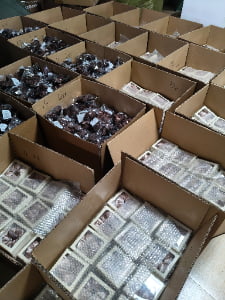
Quality control should happen at multiple stages, not only at final packing. A professional hair accessories factory should inspect incoming materials, confirm pre-production samples, monitor production, check semi-finished goods, inspect finished products, and verify packaging before shipment.Export experience is also important. If your products are going to the U.S., EU, UK, Australia, or Canada, the supplier should understand carton marks, shipping labels, commercial invoice, packing list, barcode labels, pallet requirements, and third-party inspection requests.| Supplier Checkpoint | Good Sign | Warning Sign |
|---|---|---|
| Quotation | Detailed price with material, size, MOQ, packaging, and lead time | Only gives a low unit price with no specification |
| Sampling | Provides sample photos, videos, and revision notes | Pushes buyer to order bulk without sample approval |
| QC | Has inspection steps and accepts third-party inspection | No clear defect standard or inspection report |
| Communication | Replies clearly and asks technical questions | Avoids details or changes answers frequently |
| Export | Understands packing, labels, documents, and shipping methods | No experience with retail or warehouse requirements |
How to Communicate with a Hair Accessories Manufacturer
Even the best factory cannot quote accurately without enough information. Clear communication helps reduce sampling mistakes, wrong material choices, price changes, and production delays. Before contacting a Hair Accessories Manufacturer, prepare your product details as much as possible.Prepare Product References and Specifications
Start with product photos, drawings, size references, or a tech pack. If you do not have a final design, send competitor references and explain what you want to keep or change. A good supplier can help convert your idea into a manufacturable product.For fabric products, include size, fabric type, color, elastic strength, stitching style, and logo placement. For claw clips, include size, shape, material, color effect, spring strength, and packaging. For retail sets, include the number of pieces, card size, box type, barcode position, and shipping destination.Confirm Quantity Material Logo and Packaging
The four details that affect price most are quantity, material, logo, and packaging. If one of these changes, the price may change. For example, a velvet scrunchie with a woven label and OPP bag will not cost the same as a real silk scrunchie with a metal charm and rigid gift box.Use the checklist below before requesting a quote.| Quote Information | Example | Why It Matters |
|---|---|---|
| Product Type | Satin scrunchie, acetate-style claw clip, spa headband | Defines production method and material |
| Size | Diameter, width, clip length, card size | Affects material consumption and packing |
| Material | Satin, velvet, terry, resin, plastic, ribbon | Major cost factor |
| Color | Stock color or Pantone color | Custom dyeing may increase MOQ and lead time |
| Logo | Woven label, embroidery, print, charm | Affects unit cost and sample time |
| Packaging | OPP bag, card, box, barcode label | Important for retail and warehouse delivery |
| Quantity | 1,000 pcs, 3,000 pcs, 10,000 pcs | Determines production efficiency and price tier |
| Destination | USA, Germany, UK, Australia | Helps estimate shipping and document needs |
Ask About Sampling Bulk Production and Shipping
After the quote is roughly confirmed, ask about sample time, sample cost, sample revision, bulk lead time, payment terms, inspection process, and shipping method. For urgent retail launches, confirm whether the supplier can meet the requested delivery date before starting development.A professional manufacturer should be honest about what can and cannot be done. If the buyer needs 15-day delivery for a complex custom order, a reliable factory should explain the risk rather than promise an unrealistic schedule.Case Study: Custom Headband Project for a Retail Buyer
Project background: A fashion retail buyer needed a custom fabric headband collection for seasonal display. The buyer required several colors, soft-touch fabric, a consistent headband shape, custom branding, and retail-ready packaging.Main challenge: The first reference design looked attractive but had a high fabric consumption and a loose structure. The factory suggested adjusting the padding thickness and fabric cutting direction to improve shape stability and reduce waste.Process: The project followed a standard workflow: artwork confirmation, material selection, sample approval, bulk production, quality inspection, and retail packing. This type of process is similar to the headband project workflow shown on Q&N Beauty’s wholesale hair accessories page.Result: The buyer received a more stable structure, better color consistency, and packaging suitable for store display. The key lesson is that a good manufacturer should not only follow instructions. It should also provide practical production suggestions that protect product quality and cost.Common Mistakes to Avoid When Choosing a Supplier
Many sourcing problems happen before production begins. The buyer chooses too quickly, compares only price, skips sample testing, or forgets to confirm packaging details. Avoiding these mistakes can save time, money, and brand reputation.Only Comparing the Lowest Price
A low price may look attractive, but it can hide material changes, weak elastic, thinner fabric, poor stitching, cheaper packaging, or less inspection. In hair accessories, a small cost difference can change the final product feeling significantly.| Low-Price Risk | Possible Result | Better Question to Ask |
|---|---|---|
| Cheaper fabric | Thin, rough, or poor color appearance | Can you show fabric weight and close-up photos? |
| Weak elastic | Scrunchies lose shape quickly | Can you test stretch recovery? |
| Poor spring | Claw clips cannot hold hair well | Can you show open-close testing? |
| Reduced inspection | Higher defect rate in bulk order | What is your QC process? |
| Basic packaging only | Not suitable for retail display | Can you quote retail-ready packaging separately? |
Ignoring Samples Before Bulk Production
Skipping samples is risky for custom hair accessories. Product photos do not fully show fabric hand feel, elasticity, clip tension, logo size, or packaging strength. A physical sample gives the buyer a chance to check comfort, function, appearance, and brand presentation before placing a large order.For high-value orders, ask for a pre-production sample before mass production. For repeat orders, ask the factory to keep an approved sample as the production standard.Not Confirming Packaging and Logo Details
Packaging is often left until the end, but it should be confirmed early. For retail buyers, packaging affects shelf presentation, barcode scanning, warehouse receiving, and customer experience. For ecommerce sellers, packaging affects shipping protection and unboxing experience.Logo details should also be confirmed carefully. Check logo color, size, position, material, and durability. For woven labels, confirm label size and folding method. For embroidery, confirm thread color and stitch density. For printed logos, confirm color tolerance and test result if needed.Pros and Cons of Working Directly with a Hair Accessories Factory
Some buyers compare factories with trading companies or local distributors. Working directly with a manufacturer has strong advantages, but it also requires clearer communication from the buyer.| Pros | Cons |
|---|---|
| Better control over material, logo, size, and packaging | Requires clearer specifications from the buyer |
| More competitive pricing for bulk orders | MOQ may be higher than ready-stock suppliers |
| Direct feedback during sampling and production | Custom development may take more time |
| Better for private label and OEM projects | Buyer needs to approve samples carefully |
| More stable for repeat orders and seasonal collections | Communication quality depends on the factory’s sales and project team |
Expert Checklist Before You Place an Order
Use this checklist before confirming a supplier. It helps buyers compare multiple factories with the same standard instead of relying on price alone.- Confirm whether the supplier is a real manufacturer or mainly a trading company.
- Review the supplier’s product range and similar project experience.
- Ask for product close-up photos, factory photos, or production videos.
- Confirm material, size, color, logo, packaging, and MOQ in writing.
- Request a sample before approving bulk production.
- Check whether the factory can support retail packaging, barcode labels, and carton marks.
- Ask for quality control steps and inspection standards.
- Confirm production lead time and shipping method before payment.
- Keep an approved sample as the final production reference.
- Build a long-term supplier scorecard for quality, delivery, communication, and cost.


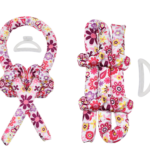
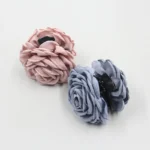
[…] Review the supplier’s product range and development fit as well as its calendar. QN Beauty presents scrunchies, headbands, claw clips, bows, barrettes, and related categories in its custom hair accessory product portfolio. Buyers can also compare broader evaluation criteria in this guide to choosing a hair accessories manufacturer. […]