The global hair accessories market is experiencing unprecedented growth, projected to reach USD 46.64 billion by 2033, according to industry research. This surge underscores the critical role hair accessories play in blending functionality with fashion, making them essential for retailers, beauty brands, and wholesalers looking to capitalize on this expanding market. Yet, sourcing the right products at scale, ensuring quality, and catering to trend-driven consumers present unique challenges for B2B buyers. This guide delves into practical steps to navigate these complexities effectively.
Understanding the Market: Demand, Trends, and Challenges
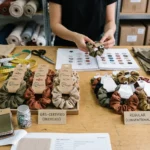
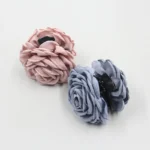
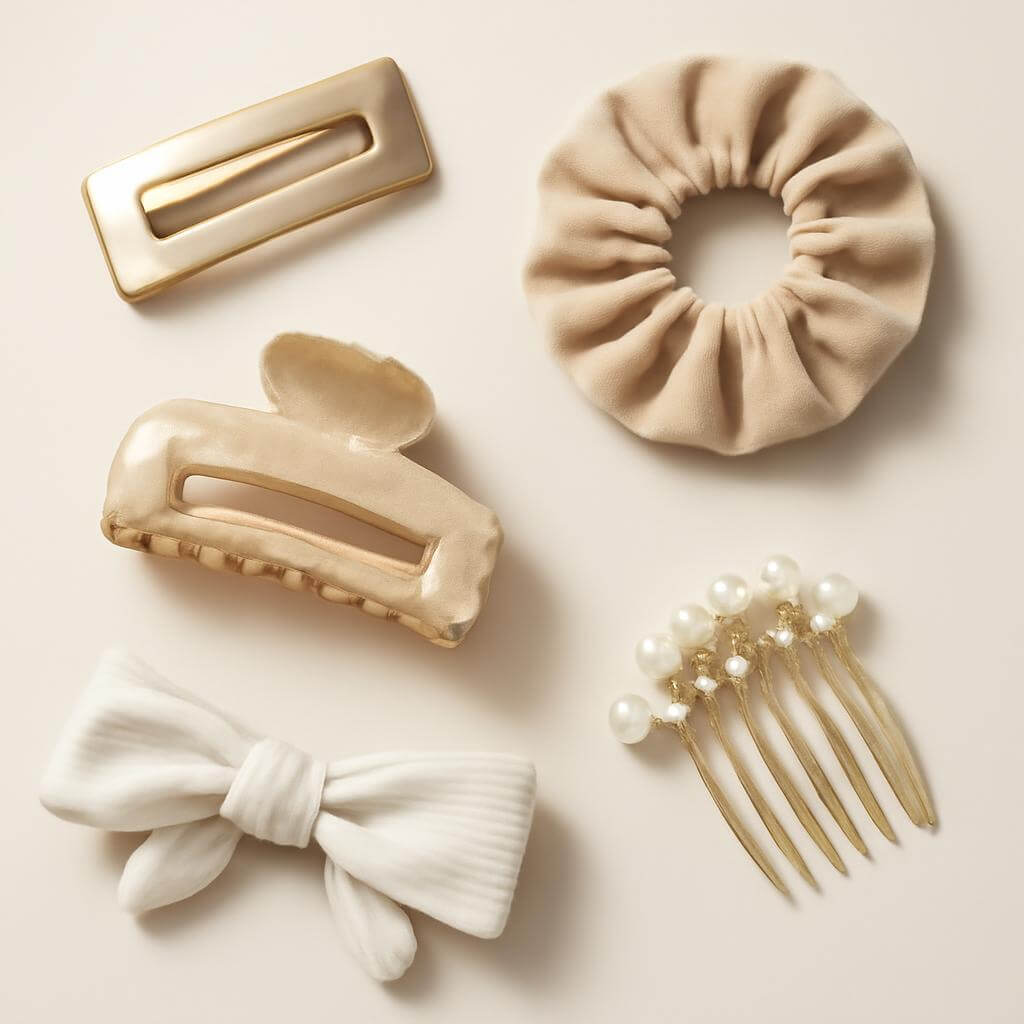
The hair accessories market is as diverse as it is dynamic. Products like claw clips, scrunchies, headbands, and barrettes dominate the landscape, with specific trends such as oversized designs, metallic finishes, and soft-touch materials gaining traction. Yet, for B2B buyers, it is not just about identifying trends—it is about ensuring consistency, scalability, and profitability. Retailers often struggle with finding reliable suppliers who can meet minimum order quantities (MOQs) while maintaining quality and timely delivery. Additionally, seasonal demand fluctuations, such as back-to-school or holiday-themed collections, add another layer of complexity.
Product and Material Considerations for Hair Accessories
When evaluating hair accessories for wholesale or custom production, material selection is paramount. Popular materials include:
- Plastic: Lightweight and versatile, used for claw clips and barrettes.
- Fabrics: Satin, velvet, and cotton are common for scrunchies and headbands, offering comfort and style.
- Metal: Durable and elegant, ideal for premium barrettes and hairpins.
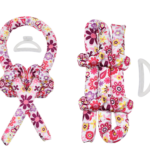
Another critical aspect is finish and comfort. Products should be smooth to prevent snags and designed ergonomically to suit diverse hair types. Customization options—such as embossed logos, color matching, and UV printing—further help businesses differentiate their offerings. For instance, retailers targeting a luxury market may prioritize gilded finishes, while those catering to children might focus on playful patterns and soft materials.
Wholesale Sourcing and Customization Guide
Securing the right supplier is vital for any successful hair accessory line. Start by evaluating MOQs, as these can vary widely depending on the product type and customization level. Sampling is another essential step—request pre-production samples to assess quality and ensure alignment with your brand’s aesthetic.
Customization opportunities are extensive, from adding logos to creating exclusive packaging for your brand. Packaging, in particular, can elevate the perceived value of your products. Options like eco-friendly kraft boxes, gift-ready pouches, or branded labels can make a significant impact in retail displays. Lead times should also be considered; a reliable partner will provide transparent timelines and maintain efficient communication throughout the production process.
To ensure quality control, work with suppliers who offer thorough inspections at each production stage. This is where partnering with an experienced manufacturer like Bling Accessory Co., Ltd can streamline the process. Their expertise in wholesale hair accessories and custom hair accessories ensures both product quality and reliable service.
Retail, Branding, and Packaging Strategy
Strong branding and packaging strategies can transform ordinary hair accessories into must-have items. Retailers and distributors should focus on creating cohesive collections that resonate with their target audience. For example, seasonal assortments featuring holiday-themed scrunchies or pastel-colored claw clips for spring can drive sales.
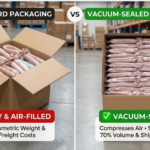
Packaging plays a pivotal role in consumer perception. Transparent boxes or hanging tags can make products more appealing in retail displays, while eco-conscious packaging options signal a brand’s commitment to sustainability. For online retailers, compact and protective packaging ensures items arrive in perfect condition, minimizing returns and enhancing customer satisfaction.
Practical Recommendations for Buyers
To succeed in the competitive hair accessories market, B2B buyers should prioritize the following:
- Partner with experienced manufacturers who offer transparent MOQs and lead times.
- Invest in sampling to ensure product quality and design alignment.
- Embrace customization options to create a unique brand identity.
- Plan collections around seasonal trends and key retail periods.
- Focus on quality control and eco-friendly packaging to meet consumer expectations.
For businesses seeking a reliable partner, Bling Accessory Co., Ltd offers end-to-end solutions for wholesale and custom hair accessories, ensuring your products stand out in a crowded market.
Frequently Asked Questions
What are hair accessories called?
Hair accessories encompass items like clips, ties, barrettes, headbands, scrunchies, and more. They are often categorized by their function, such as styling tools or decorative items.
What are examples of hair accessories?
Examples include claw clips, satin scrunchies, jeweled barrettes, fabric headbands, elastic hair ties, and bow clips.
What’s another word for hair accessories?
Alternative terms include hair adornments, hair ornaments, and hair embellishments, often used in fashion and retail contexts.
What are the best hair accessories?
The best hair accessories depend on the target audience and use case. For example, claw clips are ideal for quick styling, while satin scrunchies are gentle on hair and great for everyday use.
How can I ensure quality when sourcing hair accessories?
Quality assurance involves working with reliable suppliers, requesting samples, and conducting inspections during production. Choosing a trusted manufacturer like Bling Accessory Co., Ltd can simplify this process.
What packaging options are available for hair accessories?
Popular options include branded boxes, eco-friendly materials, gift-ready pouches, and hanging tags, depending on the retail environment and target audience.