The global hair accessories market is thriving, with projections suggesting it will grow from USD 23.41 billion in 2024 to USD 46.64 billion by 2033, at a CAGR of 8.0%. This growth presents significant opportunities for B2B buyers, including wholesalers, retailers, and beauty brands. However, navigating this dynamic market requires understanding product trends, sourcing considerations, and customization possibilities.
Understanding the Market and Buyer Challenges
Hair accessories are no longer just functional items; they are pivotal in fashion, bridal styling, and seasonal collections. With trends shifting towards luxury, eco-friendly materials, and customization, B2B buyers must balance between sourcing high-quality products and meeting consumer demand for innovation.
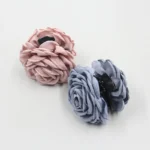
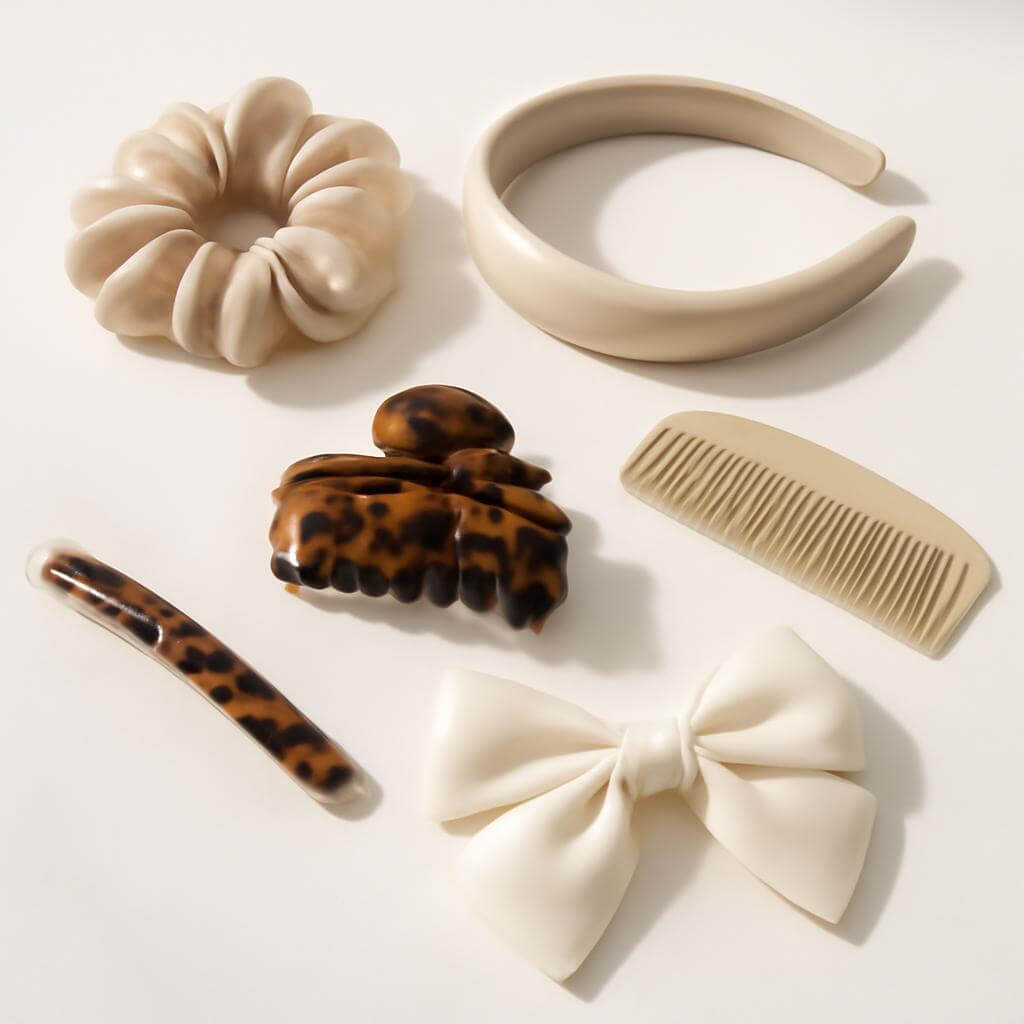
One key challenge buyers face is selecting products that cater to diverse consumer needs. From everyday essentials like scrunchies and claw clips to occasion-specific pieces such as bridal headbands and veils, ensuring variety without overstocking can be daunting. Additionally, navigating minimum order quantities (MOQs), lead times, and quality control processes adds another layer of complexity.
Product and Material Considerations for Hair Accessories
The material and design of hair accessories play a crucial role in their market appeal. Popular materials include:
- Fabric: Satin, velvet, and cotton are favored for their comfort and upscale appearance. Satin scrunchies, for example, blend style with hair care benefits, making them a consumer favorite.
- Metal: Stainless steel and alloy materials are common in barrettes, claw clips, and hairpins. Buyers should prioritize corrosion-resistant finishes for durability.
- Plastic and Acrylic: Lightweight and cost-effective, these materials are ideal for claw clips and headbands. Eco-conscious buyers may explore recycled options.
Customization options such as engraved logos, unique color palettes, and seasonal designs can further enhance product appeal. Buyers should also consider finishes like matte, glossy, or metallic to cater to different consumer preferences.
Wholesale Sourcing and Customization Guide
Wholesale sourcing requires careful planning to meet B2B objectives. Key considerations include:
- Minimum Order Quantities (MOQs): Many manufacturers offer tiered pricing based on volume. Buyers should evaluate suppliers that align with their budget and inventory needs.
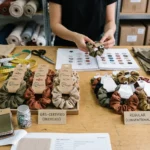
- Sampling: Requesting product samples ensures quality aligns with expectations before placing bulk orders. Look for suppliers who offer detailed product specs and sample kits.
- Logo and Packaging: Customized branding, whether through embossed logos or eco-friendly packaging, can set products apart. Retail-ready packaging options, such as gift boxes or hang tags, are also worth exploring.
- Lead Times and Quality Control: Transparent communication about production timelines is vital. Buyers should work with suppliers that implement stringent quality checks to minimize defects.
For those seeking tailored solutions, custom hair accessories can offer a competitive edge in the market.
Retail, Branding, and Packaging Strategies
Effective retail strategies go beyond product sourcing. B2B buyers should consider how to present and market hair accessories to maximize appeal. For instance:
- Seasonal Collections: Curate collections that align with seasonal trends, such as pastel-colored scrunchies for spring or jewel-toned headbands for the holiday season.
- Merchandising: Retail displays should be visually engaging. Tiered stands or color-coordinated layouts can draw attention to key products.
- Packaging: Eco-friendly or premium packaging can elevate the perceived value of hair accessories. Options like reusable pouches or minimalistic designs can appeal to sustainability-conscious buyers.
By integrating these strategies, retailers and beauty brands can effectively position their offerings in a competitive market.
Practical Recommendations for Buyers
Sourcing hair accessories for B2B purposes requires a strategic approach. Buyers should start by identifying core product categories, such as claw clips, barrettes, headbands, and scrunchies, based on their target audience. Partnering with a reliable supplier like Bling Accessory Co., Ltd can simplify the process, offering access to high-quality wholesale hair accessories and customization options tailored to market needs.
Consider long-term trends, such as the rise of bridal accessories or sustainable materials, when planning your inventory. Staying ahead of consumer preferences will help you maintain a competitive edge.
Frequently Asked Questions
What are hair accessories called?
Hair accessories encompass a wide range of items, including barrettes, claw clips, scrunchies, headbands, and more. They are often categorized based on their function or design.
What are examples of hair accessories?
Examples include hair ties, bow clips, satin scrunchies, bridal veils, and decorative headbands. Each serves different styling purposes, from everyday use to formal occasions.
What’s another word for hair accessories?
Hair accessories are sometimes referred to as “hair adornments” or “hairpieces,” depending on their style and function.
What are the best hair accessories?
The best hair accessories depend on the buyer’s target market. Popular options include claw clips for their practicality, satin scrunchies for comfort, and embellished headbands for formal events.
How can B2B buyers choose a reliable hair accessory supplier?
Buyers should evaluate suppliers based on their MOQ, customization options, lead times, and quality control processes. Companies like Bling Accessory Co., Ltd specialize in wholesale and custom hair accessories, making them a valuable partner.
What trends are shaping the hair accessories market?
Current trends include sustainable materials, luxury designs, and occasion-specific collections such as bridal accessories. Seasonal color palettes and personalization are also in demand.