For many brands, retailers, and wholesale buyers, one of the most important questions is also one of the easiest to get wrong: what do people usually buy in hair accessories? The answer shapes everything from product development and inventory planning to collection strategy, pricing, and marketing. If a brand guesses wrong, it may invest in eye-catching but slow-moving styles. If it gets the answer right, it can build more reliable best sellers and a healthier product mix.
Suggested image alt text: Best-selling hair accessories including scrunchies, hair ties, claw clips, and basic hair clips arranged in a clean flat lay.
Introduction: Why This Question Matters
Hair accessories are a real commercial category, not a side add-on
Hair accessories may look small on the shelf, but the category itself is large and growing. Grand View Research estimates the global hair accessories market reached USD 23.41 billion in 2024 and could grow to USD 46.64 billion by 2033, at a projected 8.0% CAGR. That scale matters. It means buying behavior in this category is not random. It follows repeatable patterns linked to daily routines, styling needs, and retail behavior.
What people usually buy in hair accessories is tied to habit
Consumers do not buy every hair accessory for the same reason. Some items are high-frequency basics. Some are style upgrades. Some are impulse gifts. That is why a successful collection should not treat every item equally. A claw clip is not trying to do the same job as a satin scrunchie. A basic hair tie is not trying to deliver the same emotional value as a jeweled headband. Understanding these different jobs is the starting point for better product planning.
What this article will help you do
This article will identify the categories that people buy most often, explain why scrunchies, hair ties, and claw clips tend to lead the category, and show how brands can use that knowledge to build a smarter assortment. You will also see how channel, age group, and price point influence purchasing behavior, plus what public retail examples reveal about best-selling product types.
| Question | Why It Matters | Business Impact |
|---|---|---|
| What do people buy most often? | Helps define the core assortment | Improves sell-through and reorders |
| Why do they buy those items? | Clarifies use cases and product roles | Improves development and messaging |
| Which items are trend-led vs. repeat-led? | Reduces overbuying into novelty | Lowers inventory risk |
Suggested image alt text: Market overview graphic showing why hair accessories matter for brands and retailers.
Problem: Why Is It Hard to Know What People Really Buy?
The category is crowded with too many product types
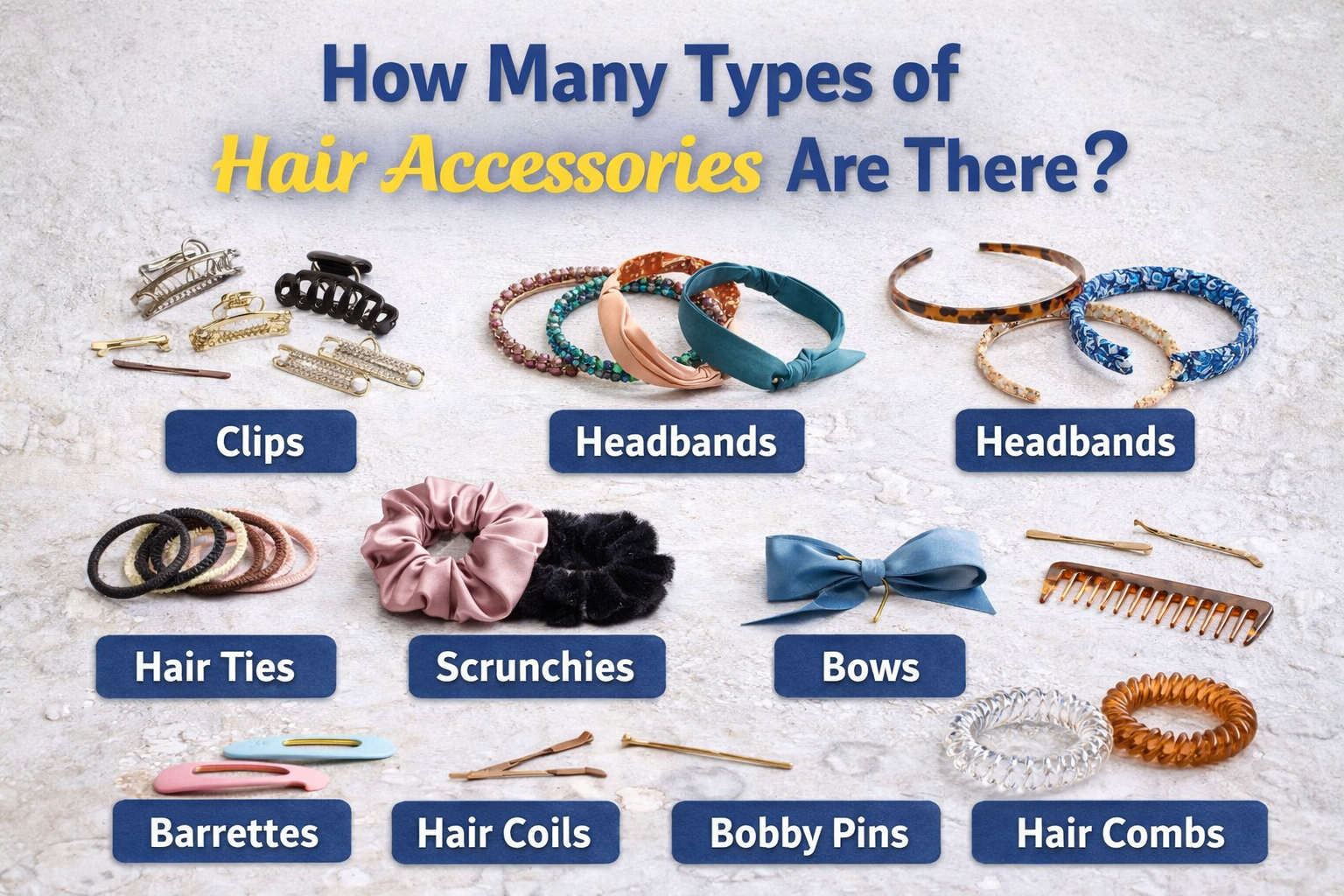
Hair accessories is a wide category. It includes scrunchies, hair ties, claw clips, snap clips, duckbill clips, barrettes, headbands, bows, ribbons, scarves, pins, cuffs, and more. When buyers look at the category too broadly, they can mistake visual variety for real demand. A beautiful item may look trend-forward in a product meeting but still underperform if it does not solve a frequent use need.
Different markets and customer groups buy differently
Not every customer shops the same way. E-commerce often rewards viral items, clear “hero” shapes, and products that look strong in thumbnails. Boutiques often want design, finishing, and giftability. Mass retail tends to prefer practical items with strong price-value perception. Younger shoppers may be more open to trend colors, oversized clips, or playful bows. Mature customers may prioritize comfort, hold, versatility, and polished everyday styling. Without a clear target customer, assortment planning becomes guesswork.
Fashion trends can distort what looks like demand
Social media can make it seem like one dramatic style is everywhere. But visibility is not the same as volume. A jeweled headband may be highly shareable and still sell less than a pack of no-metal hair ties. A velvet bow might define a seasonal campaign but move more slowly than a neutral claw clip. This is why brands need to separate attention-driving products from repeat-buy products.
Many teams confuse “interesting” with “commercial”
In real buying behavior, products that sell best are often not the most complicated. They are the ones that fit daily life. Public market data supports this. Grand View Research reports that elastics and ties accounted for 32.61% of global hair accessories revenue in 2024. In the U.S. market, elastics and ties were also the largest segment, with 40.24% revenue share in 2024. That tells us something essential: simple, useful, repeat-wear categories still carry the biggest business.
| Challenge | What Goes Wrong | Better Approach |
|---|---|---|
| Too many styles | Assortment becomes unfocused | Start with high-frequency product categories |
| Trend overreaction | Short-lived stock risk increases | Separate traffic products from volume products |
| Unclear audience | Mixed design language and weak sell-through | Build around target customer and channel |
Suggested image alt text: Hair accessory assortment board showing many product types and the challenge of choosing what really sells.
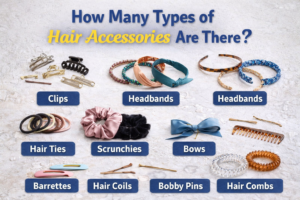
What Do People Usually Buy in Hair Accessories Today?
Scrunchies remain one of the easiest everyday purchases
Scrunchies continue to sell because they combine function, comfort, and style. They are soft, easy to wear, easy to gift, and easy to refresh by color or fabric. Satin scrunchies, in particular, benefit from consumer interest in gentler hair care and sleep-friendly styling. Public retail evidence supports this. KITSCH’s black satin sleep scrunchies set shows 2,213 reviews on its product page, which is a strong public signal that this kind of soft, practical accessory still has broad demand.
Hair ties stay at the center of volume demand
Hair ties are the definition of repeat business. They are inexpensive, highly practical, easy to replace, and used by a very wide customer base. They sell in mass retail, beauty retail, pharmacy-like channels, and online. Goody’s elastic hair sets on Target demonstrate the scale of demand that basics can still reach: the Goody 4mm 37-count elastic set is listed with 4.7 stars and more than 1,500 ratings. That type of rating density is difficult to achieve without high-volume mainstream demand.
Claw clips have become the leading “practical but stylish” hero
Claw clips are one of the strongest categories because they solve a real styling need while still feeling fashionable. They work for quick updos, half-up styles, low-effort polish, and busy routines. They also look more elevated than a basic tie, especially in acetate, matte neutrals, tortoiseshell finishes, or metal-inspired designs. Public product pages from The Hair Edit show strong demand for this category, with products like the Vogue Tortoise Claw Clip and other claw clip styles highlighted as best sellers and supported by large review counts.
Basic clips and simple headbands still play an important support role
Although the headline winners are often scrunchies, hair ties, and claw clips, basic clips, ponytail holders, and headbands still matter. They may not always dominate attention, but they help round out an assortment and fill specific use cases such as face-framing, makeup prep, school styling, or office-friendly polish. In public retail assortments from The Hair Edit and Goody, these basics repeatedly appear as stable category pillars rather than one-off novelties.
| Product Type | Why People Buy It | Typical Role in a Collection |
|---|---|---|
| Scrunchies | Comfort, softness, style, gifting | Repeat purchase + color refresh |
| Hair ties | Daily use, low cost, easy replacement | Core volume driver |
| Claw clips | Fast styling, comfort, visible fashion value | Hero style product |
| Basic clips / headbands | Simple hold and routine support | Category support and add-on sales |
Internal link prompt: Add an internal link on “claw clips” to the Q&N Beauty claw clip hairstyles article and on “hair clips” to the butterfly hair clips article.
Suggested image alt text: Best-selling hair accessory categories including satin scrunchies, no-metal hair ties, claw clips, and basic headbands.
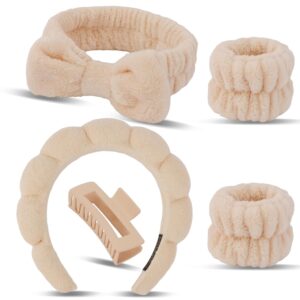
Reason: Why Certain Hair Accessories Sell More Than Others
High-frequency use drives repeat purchase
The simplest answer is often the most important: people buy what they use the most. Hair ties, scrunchies, and claw clips all fit naturally into daily routines. They are used for work, school, exercise, skincare, housewear, travel, and quick restyling. Items that solve repeat problems generate repeat demand. That is why utility-focused products keep outperforming purely decorative ones in large-scale category data.
Consumers want products that are both practical and fashionable
The strongest modern hair accessories combine function and appearance. Claw clips are a clear example. They secure hair quickly, but they also look polished. Satin scrunchies offer softness while still feeling premium. Basic headbands can look simple and refined without becoming difficult to style. This “useful but elevated” position is exactly where much of the category’s current growth sits. Grand View Research explicitly notes that growth is being driven by demand for products that serve a utility purpose while also contributing to a trendy look.
Hair-health awareness supports gentler accessories
Another reason these categories perform well is growing awareness around breakage, pulling, and tension. The American Academy of Dermatology warns that hairstyles that pull tightly can contribute to traction alopecia over time. That does not mean every tie or clip is harmful. It does mean consumers increasingly respond to claims like no-metal, no-snag, smooth-edged, soft satin, or gentle hold. Byrdie’s recent reporting on claw clips echoes a similar expert message: claw clips can be a lower-damage option when used gently and chosen with smooth construction.
Easy styling makes products more giftable and more shareable
Consumers also buy products that are easy to understand. A set of satin scrunchies is simple. A claw clip that promises quick, all-day hold is easy to imagine using. A multipack of neutral ties is an easy checkout add-on. Products that require little explanation tend to travel well across channels, especially when paired with clean packaging and strong everyday styling imagery.
| Reason | How It Affects Demand | Best Example Products |
|---|---|---|
| High-frequency routine use | Supports repeat buying | Hair ties, scrunchies |
| Fast styling convenience | Raises everyday relevance | Claw clips, simple clips |
| Gentler hair positioning | Boosts “care” appeal | Satin scrunchies, no-snag ties |
| Simple, giftable format | Improves add-on and set sales | Multipacks, boxed trios |
Suggested image alt text: Graphic explaining why high-use hair accessories like scrunchies, hair ties, and claw clips sell more often.
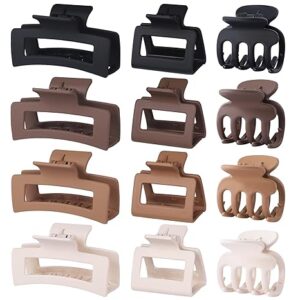
Solution: What Should Brands or Retailers Focus On?
Start with the high-frequency basics
If you are building or refreshing a collection, start where consumer demand is strongest: scrunchies, claw clips, and basic hair ties or foundational clips. These are the products most likely to create reliable baseline demand. They also give your assortment a clearer commercial center. For most brands, that is where the first inventory dollars should go.
Then add image builders and differentiated styles
After the basics, layer in products that elevate the brand story. These may include bows, printed headbands, tortoiseshell statement clips, embellished barrettes, or limited seasonal designs. Their job is not to replace the basics. Their job is to make the collection feel more distinctive, more giftable, and more editorially interesting.
Build a real price ladder
A strong assortment should offer at least three pricing roles: entry products, core mid-range sellers, and premium or gift-led options. Hair ties and simple clips can serve as low-price traffic builders. Claw clips and satin scrunchie sets can anchor the main sell-through layer. Boxed sets, premium materials, and decorated styles can create upper-margin gifting options. This kind of pricing structure helps brands attract more than one type of buyer without making the collection confusing.
Use sets to raise average order value
Sets are especially effective in hair accessories because the products are small, highly combinable, and easy to color-coordinate. Two-piece, three-piece, and gift-box combinations make shopping easier while improving perceived value. Public assortment examples from The Hair Edit show how claw clip sets and scrunchie sets can create stronger commercial stories than scattered singles. For wholesale buyers, sets also simplify merchandising.
| Assortment Layer | What to Include | Main Goal |
|---|---|---|
| Traffic layer | Hair ties, simple clips, basic elastics | Repeat volume and price accessibility |
| Core sell-through layer | Scrunchies, claw clips, core headbands | Main sales and reorder business |
| Image / gift layer | Bow sets, special finishes, boxed sets | Brand distinction and higher margins |
Internal link prompt: Add an internal link on “custom hair accessories” or “OEM/ODM support” to the Q&N Beauty custom service page.
Suggested image alt text: Assortment planning chart showing traffic products, core products, and premium gift products in hair accessories.
How Different Channels Change What People Usually Buy in Hair Accessories
E-commerce favors hero shapes and easy-to-understand products
Online shoppers often decide quickly. That means products need to read well in thumbnails and be easy to understand in seconds. Claw clips, satin scrunchie sets, and clearly packaged basics perform well online because the value proposition is visible right away. Public category pages from brands like KITSCH and The Hair Edit reflect this clearly: claw clips, scrunchie sets, and accessible styling tools are front-and-center because they are easy to shop visually.
Boutique and gift channels reward design and finish
Independent stores and gift-oriented retailers usually need more than pure utility. They want quality materials, appealing packaging, and stronger design signatures. In these channels, the customer may still buy a scrunchie or clip, but she is more likely to pay for better texture, a beautiful color story, or a coordinated set. This is why soft satin, neutral tortoiseshell, bows, metallic finishes, and boxed combinations often do well in higher-touch retail settings.
Mass retail depends on price-value clarity
Mass retail, by contrast, tends to favor practicality and obvious value. Multipacks of ties, durable elastics, basic clips, and comfort-focused items fit this environment well because the customer immediately understands the use case. Grand View Research’s separate distribution data underscores how significant these channels remain, with the global general stores segment valued at USD 11.2 billion in 2024. This helps explain why basic categories continue to matter so much.
Age group and lifestyle also change the mix
Younger customers may engage more with color, trend references, and novelty packs. Working adults may prefer polished neutrals, quick styling solutions, and accessories that look elevated without requiring effort. Parents buying for children often prioritize affordability, comfort, and secure hold. The product categories may overlap, but the merchandising emphasis should change.
| Channel | What Tends to Sell Best | Why |
|---|---|---|
| E-commerce | Claw clips, satin scrunchies, visible hero items | Strong visual read and fast decision-making |
| Boutique / gift | Premium clips, bows, sets, polished headbands | Higher design value and gifting potential |
| Mass retail | Hair ties, elastics, basic clips | Price-value clarity and routine demand |
Suggested image alt text: Comparison of hair accessory best sellers across e-commerce, boutique retail, and mass retail channels.
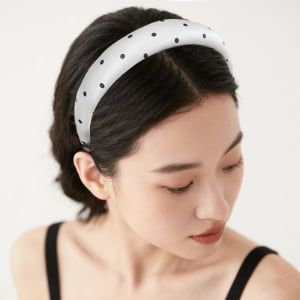
Result: What Happens When You Choose the Right Products?
You match real consumer demand more closely
When a collection is built around what people actually buy, the line becomes easier to sell and easier to explain. Buyers can see the logic. Customers can see themselves using the products. Marketing becomes stronger because the messaging is tied to real needs rather than abstract styling ideas.
You reduce wasted development and excess inventory
One of the biggest hidden costs in accessories is weak development. Brands spend time on items that look promising internally but do not connect with actual purchasing behavior. Starting with the categories people buy most often helps reduce this problem. It creates a more stable core, which means future design effort can be used more intelligently.
Case study: what public retail winners reveal
Public retail pages provide a useful reality check. KITSCH’s satin scrunchies have more than 2,200 reviews, demonstrating strong, sustained appetite for soft, routine-friendly products. The Hair Edit publicly highlights claw clips, ponytail holders, headbands, and claw clip sets as core categories, and several of those products show best-seller placement and notable review volume. Goody’s elastic sets on Target show how even simple, low-price basics can reach thousands of ratings when they meet daily-use needs well. Across all three examples, the pattern is consistent: the strongest public signals cluster around practical, repeat-use categories.
You create better conversion and repeat purchase potential
A smarter product mix supports stronger sell-through, cleaner reorders, and better average order value. Basics bring customers in. Sets and style-driven add-ons increase basket size. Premium pieces improve margin. This is the real commercial value of understanding what people usually buy in hair accessories: it helps you build collections that work at both the sales and planning levels.
| Outcome | What Improves |
|---|---|
| Stronger assortment fit | Products align better with real buying behavior |
| Lower inventory pressure | Less money tied up in weak novelty items |
| Higher conversion | Customers understand and trust the line faster |
| Better repeat business | High-frequency products encourage reorder patterns |
Pros and cons of building around the most-bought products
Pros: lower risk, broader appeal, easier merchandising, better reorder potential, stronger volume base.
Cons: if overdone, the assortment can feel too safe, visually repetitive, or insufficiently differentiated from competitors.
The best strategy is not to choose between basics and style. It is to give basics the commercial center and let more distinctive products add excitement around them.
Internal link prompt: Add an internal link on “organize hair accessories” to the relevant Q&N Beauty blog article.
Suggested image alt text: Case study collage showing bestselling satin scrunchies, claw clips, and elastic sets from public retail examples.
FAQ
What do people usually buy in hair accessories the most?
The most commonly purchased categories are usually hair ties, scrunchies, and claw clips, followed by simple clips and basic headbands. These products perform well because they fit daily routines and are easy to repurchase.
Why are hair ties still such a big seller?
Hair ties are practical, low-cost, and used frequently. They are one of the easiest products for customers to replace and one of the easiest for retailers to merchandise.
Why have claw clips become so popular?
Claw clips offer a rare combination of convenience and style. They create quick, polished hairstyles while still feeling comfortable and modern.
Are scrunchies still relevant or just trend products?
They are still very relevant. Scrunchies benefit from softness, comfort, gifting appeal, and increased consumer interest in gentler hair accessories.
Do people usually buy sets or single pieces?
Both can work, but sets often improve average order value and gifting appeal. Singles are useful for hero products, while sets are strong for coordinated colors, materials, or seasonal stories.
What should new brands launch first in hair accessories?
Most new brands should start with high-frequency basics such as hair ties, scrunchies, and claw clips, then expand into more differentiated styles like bows, special finishes, or limited seasonal sets.
How can retailers reduce risk when planning a collection?
Start with proven basics, build a clear price ladder, keep novelty limited, and use public best-seller signals plus channel-specific logic to guide selection.
Suggested image alt text: FAQ infographic about what customers usually buy in hair accessories and why.
Conclusion
The key takeaway
If you ask what people usually buy in hair accessories, the most reliable answer is not the most decorative item on the shelf. It is usually the product that combines daily usefulness, comfort, simple styling, and enough visual appeal to feel worth buying again. That is why scrunchies, hair ties, and claw clips remain the most commercially important categories.
Expert planning advice for brands and buyers
The smartest approach is to build your assortment around the products customers already use the most, then add style-led items to create freshness, gifting potential, and brand identity. In practical terms, that means starting with your high-frequency basics, then layering in differentiated items instead of doing the reverse.
Future trend outlook
Looking ahead, the products with the strongest potential are likely to remain those that blend function and care with visible style. Expect continued demand for no-snag ties, satin and silk-look scrunchies, comfortable claw clips, and curated multipacks that feel easy to wear and easy to gift. In other words, the future of the category still belongs to accessories that make everyday hair routines easier while still looking refined.