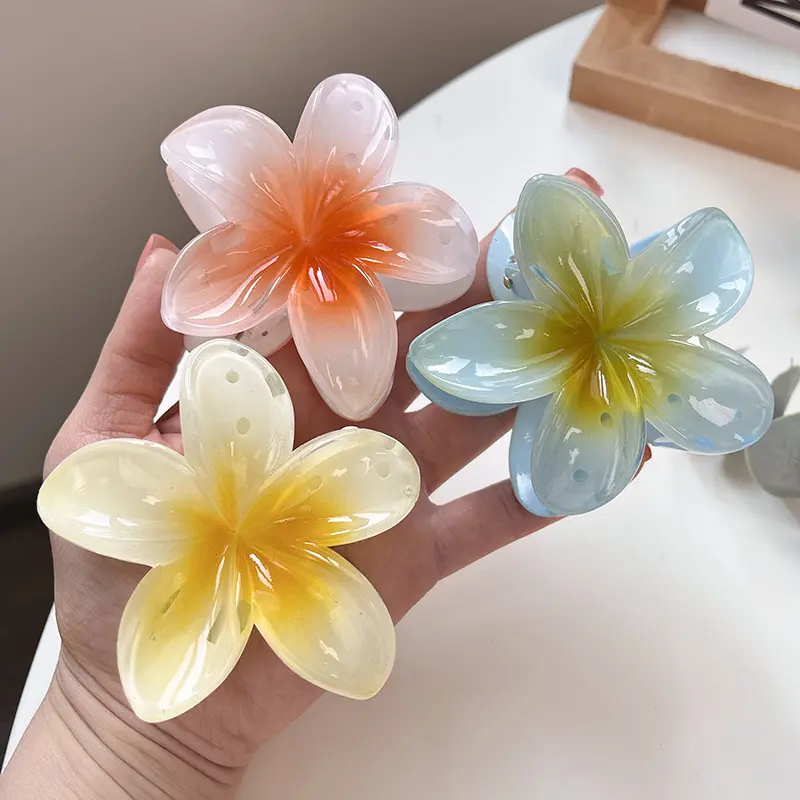
For brands and buyers, hair clip comfort is an important design factor, especially for daily-wear products such as claw clips, barrettes, snap clips, and private label hair accessories.This guide explains why some hair clips may cause discomfort, how hair clip design affects comfort, what materials are better for lightweight wear, and what brands should test before ordering custom hair clips in bulk.

Can Hair Clips Really Cause Headaches?
Hair clips do not directly affect everyone the same way.
However, some users may feel scalp pressure, pulling, tenderness, or headache-like discomfort when the clip pulls hair too tightly or presses on one area for too long.
How Pressure and Hair Tension Can Cause Discomfort
Hair itself does not feel pain, but the scalp has sensitive nerves around the hair follicles.
When a clip pulls the hair backward, lifts the roots too tightly, or holds the same area under tension, the scalp may feel sore or uncomfortable.
Why Clip Weight and Grip Strength Matter
A heavy clip may pull downward on the hair, especially for long or fine hair.
A clip with overly strong grip may hold hair securely but create too much pressure on the scalp.
The best hair clip comfort comes from balanced grip strength, suitable clip size, and lightweight material.
When a Hair Clip Feels Too Tight
A hair clip may feel too tight when the user feels pulling at the roots, scalp pressure, or the need to remove the clip after a short time.
For daily-use hair accessories, comfort should be tested over real wearing time, not only by appearance.

Common Reasons a Hair Clip Can Cause Headaches or Feel Uncomfortable
When buyers ask, “Can a hair clip cause headaches?” the answer usually depends on product design and hair type.
Most discomfort comes from weight, sharp edges, strong springs, or an unsuitable clip structure.
The Clip Is Too Heavy
Heavy clips can pull on the roots, especially when used for long wear.
Oversized claw clips, large metal barrettes, and heavily decorated clips should be checked carefully for weight balance.
The Teeth or Edges Are Too Sharp
Sharp teeth, rough edges, visible seams, or unfinished surfaces may scratch the scalp or pull hair.
Comfortable hair clips should have smooth edges, polished surfaces, and rounded contact points.
The Spring Is Too Tight
A strong spring can improve hold, but if it is too tight, the clip may press too strongly on the hair and scalp.
For custom hair clips, spring strength should match the clip size and target hair type.
The Clip Is Not Suitable for the Hair Type
Fine hair may need smaller clips with lighter grip.
Thick hair may need larger clips with stronger hold.
Curly hair may need wider teeth and smoother edges to reduce pulling and tangling.

Hair Clip Design Factors That Affect Comfort
Hair clip comfort is not only about material.
The full design should be reviewed, including clip size, weight distribution, teeth shape, spring strength, and how the clip fits the curve of the head.
Clip Size and Weight Distribution
A larger clip is not always more comfortable.
If the weight is not balanced, it may pull down on one section of hair.
Lightweight materials and balanced clip shapes are better for daily wear.
Smooth Teeth and Rounded Edges
Smooth teeth help hold hair without scratching or pulling too aggressively.
Rounded edges are especially important for claw clips, snap clips, barrettes, duckbill clips, and bobby pins that touch the scalp closely.
Flexible but Secure Spring Strength
A comfortable clip should open and close smoothly.
The spring should be strong enough to hold hair securely but flexible enough to avoid excessive pressure.
Curved Shape for Better Fit
A curved clip shape can fit the head more naturally than a flat or overly stiff structure.
This can improve stability and reduce pressure on one single point.

Best Hair Clip Choices for Different Hair Types
There is no single best hair clip for every user.
Brands should consider different hair types when developing comfortable hair clips for retail or private label collections.
Fine Hair
Fine hair usually works better with lightweight clips, smaller claw clips, slim barrettes, and clips with moderate grip.
Very heavy clips may slide down or pull the roots.
Thick Hair
Thick hair often needs larger clips, stronger springs, and deeper teeth.
Oversized claw clips can be useful, but they should still be lightweight enough for long wear.
Curly Hair
Curly hair may need wider teeth, smoother edges, and clips that do not catch or snag easily.
Rounded acetate, acrylic, resin, or smooth plastic clips may be suitable depending on the style.
Long or Heavy Hair
Long or heavy hair needs better weight distribution.
Large claw clips, curved barrettes, or multiple smaller clips may feel more comfortable than one heavy decorative clip.

Material Choices for Comfortable Hair Clips
Material affects weight, surface smoothness, durability, grip, and final cost.
A professional hair accessory manufacturer should help buyers compare material options based on comfort and target retail positioning.
Lightweight Acetate or Acrylic
Acetate and acrylic are common choices for fashionable claw clips and barrettes.
They can offer glossy finishes, tortoiseshell patterns, transparent colors, and smooth surfaces while keeping the clip relatively lightweight.
Smooth Resin and Plastic Materials
Resin and plastic materials can be used for colorful, lightweight, and cost-effective hair clips.
They are suitable for daily-use clips, teen collections, seasonal colors, and mass retail accessory lines.
Metal Clips with Protective Coating
Metal clips can look premium, but they should have smooth edges and protective coating.
Buyers should check whether the surface feels comfortable against the scalp and whether the clip is too heavy for daily wear.
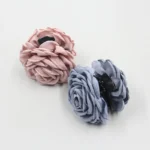
Soft Fabric-Covered Clip Designs
Fabric-covered clips can create a softer contact surface.
Satin, velvet, cotton, and printed fabric details can be used for bow clips, snap clips, headbands, and decorative barrettes.

What Brands Should Check Before Ordering Hair Clips
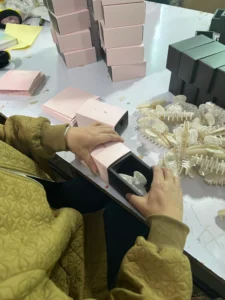
For brands and wholesalers, comfort should be part of product testing before bulk production.
A hair clip may look attractive in photos, but real wear testing helps confirm whether it feels comfortable during daily use.
Wear-Test Samples Before Bulk Production
Buyers should test samples for several hours in real use conditions.
This helps check whether the clip causes pulling, sliding, scalp pressure, or discomfort over time.
Check Grip Without Excessive Pulling
A good clip should hold hair securely without pulling too hard.
Buyers should test grip strength on fine, medium, thick, curly, and long hair whenever possible.
Test Edge Smoothness and Spring Strength
Edge smoothness and spring strength should be checked carefully.
The clip should not scratch the scalp, snag hair, or require excessive force to open and close.
Collect Feedback from Different Hair Types
Feedback from different users can help brands improve sizing, teeth shape, spring tension, and packaging copy.
This is especially useful for private label hair clips sold to a wide consumer group.

How to Develop Comfortable Custom Hair Clips That Reduce Headache Risk
When developing custom hair clips, brands should focus on comfort from the beginning.
A comfortable product is more likely to be used repeatedly, reviewed positively, and reordered by customers.
Adjust Clip Size Based on Target Users
Clip size should match the target customer’s hair type and styling habits.
Mini clips may be better for half-up styles and fine hair, while large claw clips may be better for thick or long hair.
Choose Lightweight Materials for Daily Wear
Lightweight acetate, acrylic, resin, or plastic can reduce pulling during long wear.
Heavy decorative materials should be used carefully, especially for oversized designs.
Balance Grip Strength and Comfort
Strong grip is important, but excessive pressure can reduce comfort.
Brands should test spring strength, tooth spacing, and holding power to find the right balance.
Use Packaging Copy to Explain Hair Type Suitability
Packaging copy can help customers choose the right clip.
For example, brands can note whether a clip is suitable for fine hair, thick hair, half-up styles, updos, daily wear, or decorative styling.

FAQ
Why does my hair clip give me a headache?
A hair clip may give you a headache if it pulls your hair too tightly, presses on one area of the scalp, feels too heavy, has sharp edges, or does not match your hair type.
If discomfort happens often or feels severe, users should remove the clip and consider consulting a healthcare professional.
Are claw clips better than hair ties for comfort?
Claw clips can be comfortable because they may hold hair without wrapping tightly around one point.
However, comfort depends on clip weight, grip strength, tooth shape, and how the hair is styled.
What hair clips are best for thick hair?
Thick hair usually needs larger clips, deeper teeth, stronger springs, and balanced weight distribution.
Oversized claw clips and large curved barrettes can work well if they are not too heavy.
How can brands test if a hair clip is comfortable?
Brands can test comfort by checking grip strength, spring tension, edge smoothness, clip weight, wearing time, and feedback from users with fine, medium, thick, curly, and long hair.
Can custom hair clips be designed for sensitive scalps?
Yes. Custom hair clips can be designed with lightweight materials, smoother teeth, rounded edges, moderate spring strength, curved shapes, and softer fabric-covered details to improve comfort for sensitive users.

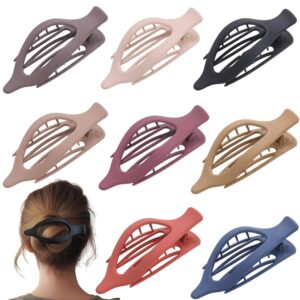
Conclusion: Can a Hair Clip Cause Headaches? Comfort Starts with Better Design
Can a hair clip cause headaches? For some users, yes.
A clip that is too heavy, too tight, too sharp, or unsuitable for the hair type may create scalp pressure or pulling discomfort.
For brands, this means comfort should be considered together with style, color, material, and packaging.
Future comfortable hair clip trends will continue to focus on lightweight acetate and acrylic, smooth resin, rounded edges, balanced claw clip shapes, flexible spring strength, soft fabric-covered details, hair-type-specific packaging copy, and user-tested private label designs.
If you are developing comfortable hair clips, lightweight claw clips, private label barrettes, custom hair accessories, or wholesale hair clips for daily wear, prepare your target hair type, clip size, material, color, logo, packaging, quantity, and delivery timeline before requesting a quote.
Contact QNBeauty for Comfortable Custom Hair Clips