
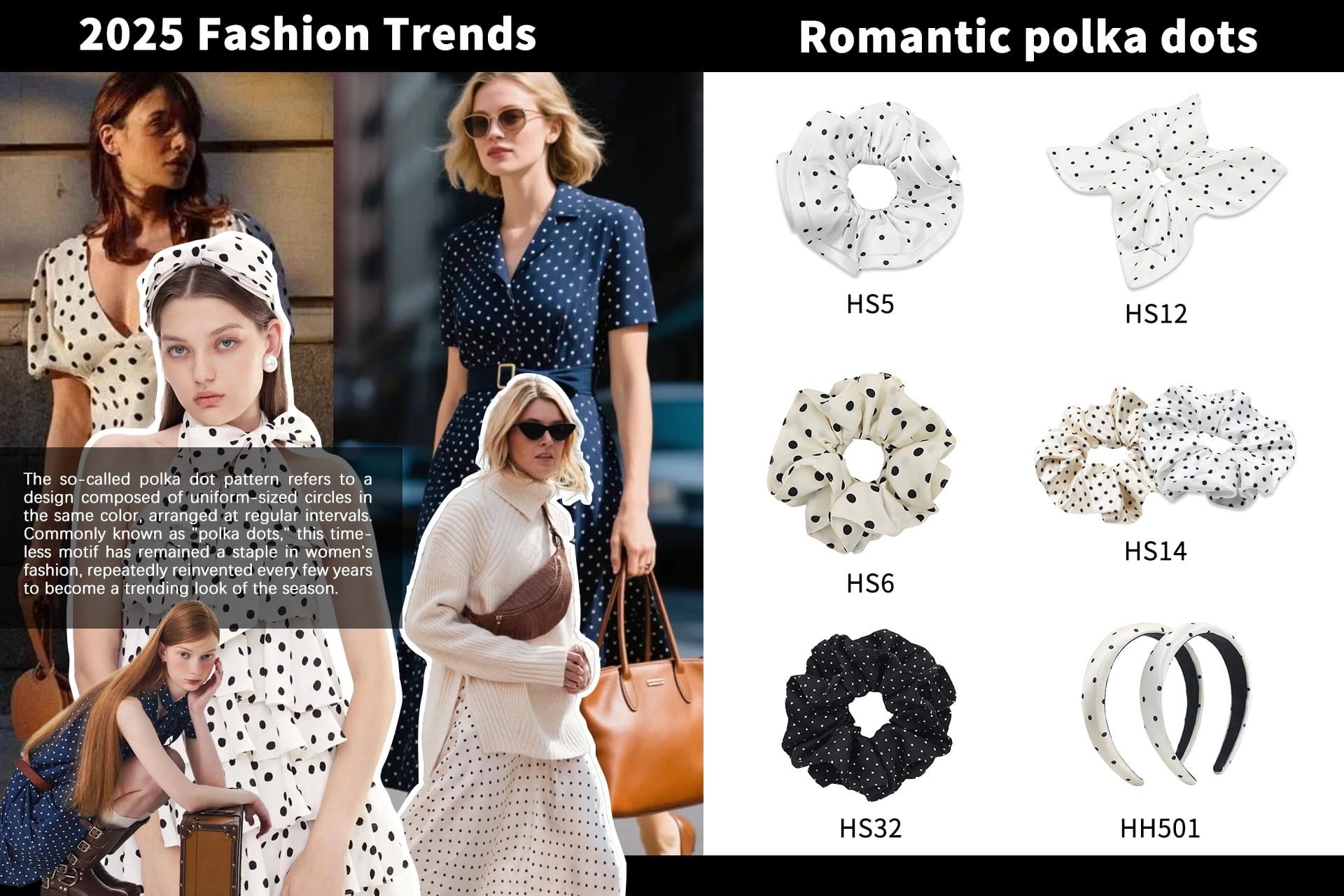
Trending hair accessories are no longer just small add-ons at checkout. They now sit at the intersection of fashion, self-expression, utility, and beauty-led retail. For shoppers, the challenge is knowing which styles are truly rising and which are just short-lived social buzz. For brands and retailers, the bigger challenge is choosing products that feel fresh without becoming dead stock six months later.
This guide takes a practical, evidence-based view of the category. Rather than pretending anyone can know the future with certainty, it uses current market growth, runway direction, retail signals, beauty editor coverage, and social-shopping behavior to forecast what is most likely to shape hair accessory demand in 2027. You will learn which categories look strongest, which colors and materials are best positioned, what may change in clips, headbands, and bridal pieces, and how to choose trend-led styles that still make sense for real people and real businesses.
1. Why Hair Accessory Trends Matter in 2027
Why hair accessory trends are worth watching
Hair accessories matter because the category is growing beyond impulse purchase territory. It is now a fast-moving fashion-and-function segment supported by both beauty and apparel behavior. That matters for consumers who want styling pieces that feel current, and even more for brands deciding what to launch, stock, or promote next. A category that grows this quickly rewards good forecasting and punishes random buying.
Trend tracking also matters because hair accessories live closer to daily wear than many other fashion items. A necklace or statement bag may be occasional. A claw clip, scrunchie, or padded headband can become part of a customer’s weekly routine. When a product becomes habitual, even small design changes—shape, finish, material, comfort, tooth depth, width, shine level—can shift demand dramatically.
How hair accessories shape the full outfit
In 2027, accessories will keep acting as visual shortcuts. A matte tortoiseshell claw clip suggests understated polish. A satin bow pushes a look toward softness and romance. A sculptural metal cuff makes a ponytail feel styled rather than rushed. The best hair accessories work like punctuation: they finish the sentence of the outfit without competing with it.
That is also why the category crosses so many style tribes at once. Minimalists want clean silhouettes. Vintage lovers want references to the 1960s, 1990s, or Y2K. Occasion shoppers want pearls, crystals, or veiling. Younger buyers want novelty, color, and conversation pieces. One category, many style languages.
What 2027 trend forecasts are likely to prioritize
Based on current market and editorial signals, 2027 will likely reward four things most: utility, individuality, tactile materials, and easy styling. The strongest styles will not be trend pieces that only look good in one social media post. They will be trend pieces that still solve a real need—holding hair securely, elevating a simple hairstyle, working across different hair textures, or feeling comfortable enough to wear all day.
| Why this matters | What it means for 2027 | Best product response |
|---|---|---|
| Fast market growth | More competition, faster trend turnover, higher customer expectations | Choose fewer but better-developed hero styles |
| Outfit-level influence | Accessories are now part of the styling story, not just practical tools | Design around aesthetics and wearability together |
| Social visibility | Small items can still create strong visual impact in video and photos | Focus on clear silhouettes, texture, shine, and close-up detail |
| Retail risk | Microtrends can sell fast but die fast | Balance evergreen basics with a smaller seasonal test line |
Suggested image alt text: Assorted trending hair accessories including claw clips, bows, headbands, pearl barrettes, and scrunchies arranged by style category.
2. The Biggest Hair Accessory Trends to Watch
Which core styles are most likely to keep winning
The safest bet for 2027 is that core, high-utility styles remain central. Claw clips, elastics, ties, and upgraded scrunchies are unlikely to disappear because they serve daily needs. What changes is not the existence of the product, but its finish. Expect better shapes, stronger engineering, more considered color stories, and more elevated materials. In other words, the basics stay, but the design language matures.
This is important because functional categories often last longer than editorial hype. A brand can build around clips, ties, and headbands for years if the styling direction keeps evolving. That makes them a better foundation than ultra-specific novelty pieces.
Which decorative hair accessories may break out
Decorative styles are still important, but the breakout winners in 2027 will likely feel more intentional than overdone. Bows, pearl barrettes, jeweled pins, ponytail cuffs, and sculptural metal details all fit this direction. The common thread is not maximalism for its own sake. It is visible design with a point of view.
Romantic accents will also remain strong. Soft bows, lace-adjacent trims, pearls, and satin-covered silhouettes continue to work because they can appear sweet, elegant, bridal, or editorial depending on scale and styling. The same bow can look playful on a teen collection, polished on a premium line, or refined in bridal retail.
Which minimalist and vintage elements deserve attention
Minimalism and vintage revival will keep coexisting. That may sound contradictory, but it is exactly how modern accessory cycles work. One side of the market wants clean matte finishes, slim metal hardware, classic tortoiseshell, and neutral satin. Another wants references to retro glamour, coquette softness, 1990s simplicity, and Y2K expressiveness. The winners are the products that sit between these worlds.
| Trend direction | 2027 forecast | Why it has potential |
|---|---|---|
| Claw clips | Still strong, but more expressive in shape and finish | Practical, easy to wear, widely accepted across ages |
| Scrunchies and elastics | Stable core category with better materials and more premium styling | Daily-use product with low entry barrier |
| Bows and ribbons | Likely to remain important, especially in romantic and occasionwear looks | Works in fashion, bridal, gifting, and social content |
| Pearl and jeweled details | Selective growth in formal and elevated everyday styling | Adds visual value without changing the hairstyle itself |
| Minimal metal accents | Growing in premium and adult fashion segments | Feels polished, modern, and seasonless |
Suggested image alt text: Trend forecast mood board showing satin bows, minimal metal ponytail cuffs, vintage-inspired barrettes, and elevated claw clips.
3. Trending Hair Accessories by Style Category
How clips, claw clips, and scrunchies may evolve
Clips are likely to split into two lanes in 2027. The first is the practical lane: medium and large claw clips with better hold, softer curves, and more wearable finishes. The second is the personality lane: unusual silhouettes, playful forms, or more directional materials. That dual-track future matters because it lets brands serve both mainstream and trend-driven customers without abandoning either group.
Scrunchies should also keep evolving upward. The low-end basics market is crowded, so the strongest opportunities are in upgraded versions: wider volume, better fabric hand feel, coordinated sets, and clean packaging. Premium scrunchies do not need to be loud. They need to feel intentional.
What may change in headbands, fabric bands, and scarves
Headbands are well positioned for another cycle of relevance, but not necessarily in the same oversized, highly padded way that defined earlier waves. In 2027, expect slimmer profile options, soft satin wraps, embellished occasion bands, and easy fabric styles that work with slick buns, air-dried texture, or blowout finishes. Hair scarves also deserve attention because they connect naturally to the broader return of scarf styling in fashion.
That matters for merchandising. Headbands and scarves tell a fuller visual story on a landing page or in-store display than small elastics do. They are easier to theme by season, color story, event, or occasion.
What bridal and occasion hair accessories may do next
Bridal and formal styles are moving toward “soft statement” territory. Instead of overly stiff tiaras or heavily embellished pieces only suited to a single day, the next wave looks more wearable: pearl-lined headbands, satin bows, floral clips, crystal pins, veils with subtle adornment, and modern barrettes that can move from wedding styling to rehearsal dinner or event dressing.
| Category | Where it is heading | Best use case | Longevity outlook |
|---|---|---|---|
| Claw clips | From basic hold to design-led daily staple | Everyday styling, gifting, checkout add-on | High |
| Scrunchies | Better fabric, better volume, more premium sets | Sleep, casual wear, gym, travel | High |
| Barrettes and pins | Cleaner or more decorative depending audience | Half-up looks, side styling, events | Medium to high |
| Headbands | Slimmer, softer, and more occasion-adaptable | Workwear, weddings, polished casual looks | Medium to high |
| Scarves and wraps | Fashion-forward, especially when tied to color stories | Seasonal collections, travel, editorial styling | Medium |
| Bridal accessories | Soft, romantic, and re-wearable | Weddings, events, premium gifting | Medium to high |
Pros of investing in core categories
- Broader customer base and lower trend risk
- Easier to repeat in new colors and materials
- Better for long-term brand building
- More consistent replenishment potential
Cons of relying only on core categories
- Can feel too safe if styling is not refreshed
- Harder to stand out without detail innovation
- Price competition is stronger in basics
- Less viral potential than novelty or occasion pieces
Suggested image alt text: Side-by-side comparison of claw clips, scrunchies, headbands, and bridal hair accessories in modern 2027-inspired finishes.
4. What Colors, Materials, and Details May Trend
Which colors are most likely to matter in 2027
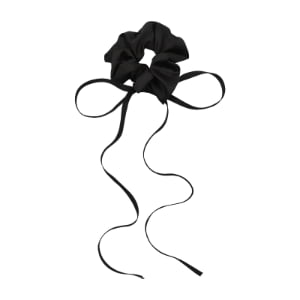
Color forecasting for 2027 should be approached as a signal map, not a promise. The clearest current signals suggest a split between soft neutrals and emotional accents. Rich brown tones, creamy neutrals, butter yellow, deep burgundy, selected pinks, emerald, and metallics all have momentum across recent fashion coverage. For hair accessories, that translates well because small-format products can carry color without overwhelming the look.
Brown is particularly interesting because it feels luxurious, grounded, and easier to wear than black for many customers. Pastels remain relevant too, but softer, milkier tones may outperform louder candy shades in premium assortments. Metallics should continue in trims, cuffs, logo elements, and accent hardware rather than full-surface shine in mass appeal collections.
Which materials best fit current taste
Materials matter more than ever because customers now read quality through texture. In 2027, tactile appeal is likely to matter as much as color. That favors satin, velvet, smooth matte acetate-style finishes, ribbed fabrics, soft-touch plastics, organza, sheer overlays, and mixed-material construction. Materials that look good in close-up shots and feel satisfying in hand will keep outperforming generic glossy plastic.
There is also a broader sustainability conversation influencing buying behavior. That does not mean every customer will pay a premium for sustainability, but it does mean more brands are under pressure to explain materials, reduce waste, or use better packaging. Even in a trend-driven category, these signals are getting harder to ignore.
Will pearls, metal, satin, and transparent details stay relevant?
Yes, but with nuance. Pearls are likely to stay strongest in bridal, occasion, and feminine premium styling. Metal details should expand into minimalist everyday pieces, especially cuffs, bars, and hardware accents. Satin is still one of the most versatile surfaces in the category because it can look romantic, clean, or premium depending on shape and color. Transparent elements may remain relevant, especially in warmer seasons, travel styling, or novelty drops, but full-clear looks may not be as universally strong as frosted, tinted, or mixed-material versions.
| Color / material | 2027 potential | Best categories | Commercial note |
|---|---|---|---|
| Chocolate brown / mocha | Strong | Clips, headbands, barrettes, bows | Feels premium and seasonless |
| Butter yellow / soft pastel yellow | Medium to strong | Fabric bands, bows, scarves | Soft statement without harsh brightness |
| Burgundy / wine | Strong | Velvet bows, satin bands, occasion pieces | Elegant and high-conversion for autumn/winter |
| Emerald / jewel tones | Medium to strong | Formal clips, holiday capsules, scarves | Works best in smaller, curated assortments |
| Satin | Strong | Scrunchies, bows, headbands | Photogenic and premium-looking |
| Pearls | Strong in occasionwear | Bridal pins, barrettes, headbands | Best when scaled carefully |
| Minimal metal | Strong | Ponytail cuffs, bars, sleek clips | Great for adult premium styling |
| Transparent / frosted | Selective | Claw clips, summer capsules | Better as accent than full assortment |
Suggested image alt text: Hair accessory color and material board featuring mocha brown, burgundy, butter yellow, satin bows, pearl headbands, and matte clips.
6. How to Choose Trendy Hair Accessories That Suit You
How face shape can guide accessory choice
Trends matter, but proportion matters more. A piece that is “in” can still look wrong if the scale fights the wearer’s face shape. Wider padded bands often flatter longer face shapes by adding horizontal balance. Sleek clips and side barrettes can be useful on rounder faces because they add line without too much width. Oval faces tend to handle the broadest range of shapes, which is why so many editorial hair trends are demonstrated on them.
How hair volume and texture should shape the decision
Hair density and texture are just as important as face shape. Fine hair often needs lighter pieces and gentler grip. Thick or textured hair usually needs stronger tension, deeper teeth, wider bands, or larger clips. This is one reason why brands that only design for one hair type leave sales on the table. Great hair accessories are not just fashionable; they are engineered for real wear.
How to follow trends without chasing every microtrend
The smartest way to buy or build a collection is to use an 80/20 rule. Put roughly 80% into proven shapes that can be refreshed through color and finish. Use the remaining 20% for directional or seasonal experimentation. That keeps the assortment interesting without making it fragile.
| Need | Better choice | Avoid when possible |
|---|---|---|
| Fine hair | Smaller clips, slimmer barrettes, soft fabric bands | Heavy oversized accessories that slide |
| Thick hair | Large claw clips, wider headbands, reinforced elastics | Weak small clips with shallow teeth |
| Curly or textured hair | Smoother surfaces, wider sizing, stronger hold | Tight narrow pieces that snag or compress |
| Minimal wardrobe | Mocha, black, ivory, metal accents, slim bands | Too many novelty shapes with limited outfit range |
| Occasion dressing | Pearl pins, satin bows, crystal or floral details | Overly bulky casual clips |
Suggested image alt text: Hair accessory selection guide showing the best clips, bands, and scrunchies for different face shapes and hair types.
7. Which Hair Accessory Trends Will Last Longer
What kinds of trends usually have staying power
Longer-lasting trends usually share three traits. First, they solve a real styling problem. Second, they fit into more than one aesthetic. Third, they can be updated without changing the core item. This is why claw clips, scrunchies, headbands, and slim decorative pins keep returning. Their form is familiar, but their styling language can be refreshed almost endlessly.
Which styles are best for brand development and retail
For brands and retailers, the best long-term plays are usually the styles that can be merchandised as collections: neutrals, occasionwear, bridal edits, satin stories, travel sets, holiday capsules, or premium metal-accent assortments. That opens space for upselling and gifting while reducing the risk of being trapped by a single trend wave.
How to separate short-term hype from durable direction
A useful test is whether the trend depends on novelty alone. If the product’s appeal disappears once the surprise is gone, it is probably short term. If the same idea can survive in cleaner colors, different materials, or more wearable shapes, it has a better chance of lasting into 2027 and beyond.
| Trend type | Short-term signal | Long-term signal |
|---|---|---|
| Novelty claw clips | Sell on humor or social surprise alone | Can evolve into sculptural, design-led clips |
| Oversized bows | Only work for editorial or costume styling | Smaller satin and pearl versions remain wearable |
| Pearl embellishment | Looks too formal for daily styling | Scaled-down pearl accents work in bridal and gifting |
| Transparent pieces | Full-clear novelty for one season | Frosted or tinted versions integrate better into assortments |
| Minimal headbands | Under-designed and forgettable | Comfortable, polished, and easy to reissue in new materials |
In short, 2027 is likely to reward trend intelligence, not trend chasing. The category’s future looks strongest when fashion cues are translated into pieces people can actually wear.
Suggested image alt text: Comparison chart showing short-term versus long-term hair accessory trends for clips, bows, pearls, and headbands.
8. Please Follow QN Beauty
If you want to explore more hair accessory ideas, category inspiration, or product development direction, visit QN Beauty. For brands, wholesalers, and retailers, internal links like this are useful because they connect trend content with product discovery, helping readers move from inspiration to sourcing.
You can also build supporting internal links from this article to category pages, trend roundups, bridal accessory collections, claw clip pages, scrunchie collections, and blog posts on how to choose the right hair accessories for different hair types or occasions.
Want to turn trend insight into a real collection?
Use this article as the top-of-funnel guide, then send readers to your core collection or inquiry page. A simple next step works best: explore styles, request a catalog, or contact your team for custom development.
Conclusion
Trending hair accessories in 2027 are best understood through four lenses: style, material, color, and occasion. The category is not moving toward one single look. It is moving toward smarter segmentation. Utility-led basics like claw clips and scrunchies should remain strong. Romantic details such as bows, pearls, and satin are likely to keep growing across fashion and bridal. Minimal metal accents and refined headbands look especially well positioned for adult, premium, and work-to-event dressing.
The most important takeaway is simple: do not just chase what is loudest. Choose what fits real styling behavior. The best 2027 products will be the ones that look current, feel good in the hand, wear comfortably, and work across more than one outfit or use case. For shoppers, that means buying more selectively. For brands, it means building collections with both trend energy and staying power.
Looking ahead, expect 2027 to continue blending nostalgic shapes with upgraded materials, softer luxury with expressive detail, and social-first visibility with real-world practicality. That is where the strongest opportunities are likely to be.
FAQ
1. What hair accessories will be trending in 2027?
The strongest candidates are elevated claw clips, premium scrunchies, slimmer modern headbands, satin bows, pearl-accented pieces, sculptural barrettes, and minimalist metal accessories. The overall direction points toward styles that combine fashion appeal with real everyday use.
2. Are claw clips still in style in 2027?
Yes. Claw clips are very likely to remain in style because they are practical, easy to wear, and adaptable across many aesthetics. What changes is the design direction: more expressive shapes, better materials, and more refined finishes.
3. What colors are popular for hair accessories in 2027?
The most likely color directions include mocha brown, creamy neutrals, burgundy, selected pinks, butter yellow, jewel tones, and metallic accents. The best choice depends on your audience. Premium lines usually perform better with edited color stories rather than too many brights at once.
4. Are headbands coming back in 2027?
Headbands are already in a renewed cycle, and they are likely to stay relevant in 2027. The updated direction is cleaner and more versatile: slimmer silhouettes, satin finishes, soft embellishment, and options that work for both daily wear and occasion styling.
5. How do I choose a trendy hair accessory that suits me?
Start with your hair type, face shape, and everyday wardrobe before thinking about trend buzz. Pick pieces that fit your hair density, feel comfortable, and work with multiple outfits. That is usually smarter than buying something only because it is currently viral.
6. Which hair accessory trends are best for brands and retailers?
The best bets are categories with repeat-purchase potential and flexible styling: clips, ties, scrunchies, headbands, and occasion capsules. These offer better chances for reorders, color refreshes, gift sets, and merchandising stories.
7. What is the difference between a short-term trend and a lasting trend?
A short-term trend relies mainly on surprise or novelty. A lasting trend keeps its relevance because it solves a need, fits multiple style aesthetics, and can be refreshed through color, finish, or material. In hair accessories, function usually improves longevity.


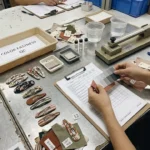
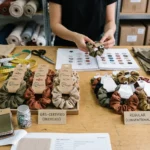

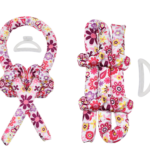
5. How Social Media and Fashion Influence Hair Accessory Trends
How social media creates breakout hair accessory products
Social platforms matter because hair accessories are ideal short-form content products. They are affordable, close-up friendly, easy to style in transitions, and highly visible in tutorial formats. A well-designed clip or bow can appear in a “five hairstyles in one minute” video, a wedding styling reel, a GRWM post, or a minimalist capsule wardrobe carousel. That gives one item multiple discovery routes.
In practical terms, this means products with clear silhouettes and visible texture tend to outperform generic shapes online. It also means unbranded discovery matters. When shoppers search by look instead of by company name, the products that match aesthetic language best tend to win.
How fashion week and celebrity styling drive direction
Runway and celebrity influence still matter, but usually in a filtered way. Fashion week rarely tells shoppers exactly what to buy. It tells the market what mood is building: romance, polish, nostalgia, boldness, softness, or excess. Beauty editors and stylists then translate those mood shifts into wearable products. That is how bows become mainstream again, how headbands return in updated proportions, or how hair jewelry moves from costume territory into modern fashion.
Why classic styles come back in cycles
Hair accessories are especially cyclical because they are tied to hairstyle memory. People rediscover the products they remember from earlier eras—slim clips, padded bands, pearl slides, oversized scrunchies—but want them in better finishes and more refined shapes. The cycle is never pure repetition. It is edited nostalgia.
Suggested image alt text: Social media inspired hair accessory styling collage with tutorial looks, runway references, and celebrity-inspired minimalist clips and bows.