
Hair Accessories MOQ Explained: A Low-Risk Playbook to Reduce MOQ Without Killing Your Margin
If you’re launching claw clips, scrunchies, headbands, or acetate hair accessories, you’ve probably heard it before: “Our MOQ is 300 per color” or “500–1000 per style.” Suddenly your testing budget is gone, inventory piles up, and new-product validation becomes risky.
Here’s the truth: MOQ isn’t just a random factory rule. In hair accessories manufacturing, MOQ usually reflects the combined “startup costs” of materials, colors, processes, packaging, and production scheduling. Once you understand what’s driving MOQ, you can often reduce it—without increasing your risk.
This guide gives you a buyer-friendly framework and practical tactics you can apply immediately.
What MOQ Really Limits: Production Startup Cost
In hair accessories, MOQ often exists to cover the cost of “starting production”: machine setup, color matching, test runs, and line scheduling. When quantities are too small, factories struggle to amortize these costs—especially for multi-step processes like injection molding, painting, or plating.
Typical MOQ Ranges by Product Type (Industry Reference)
MOQ varies by complexity. The table below shows common reference ranges. Your actual MOQ may change depending on colors, packaging, logo processes, and whether you use existing molds.
| Product Type | Typical MOQ (pcs/style) | Why It Varies |
|---|---|---|
| Hair Clips | 100–300 | Simpler structure; quicker setup |
| Headbands | 300–500 | Fabric wrapping/sewing adds labor steps |
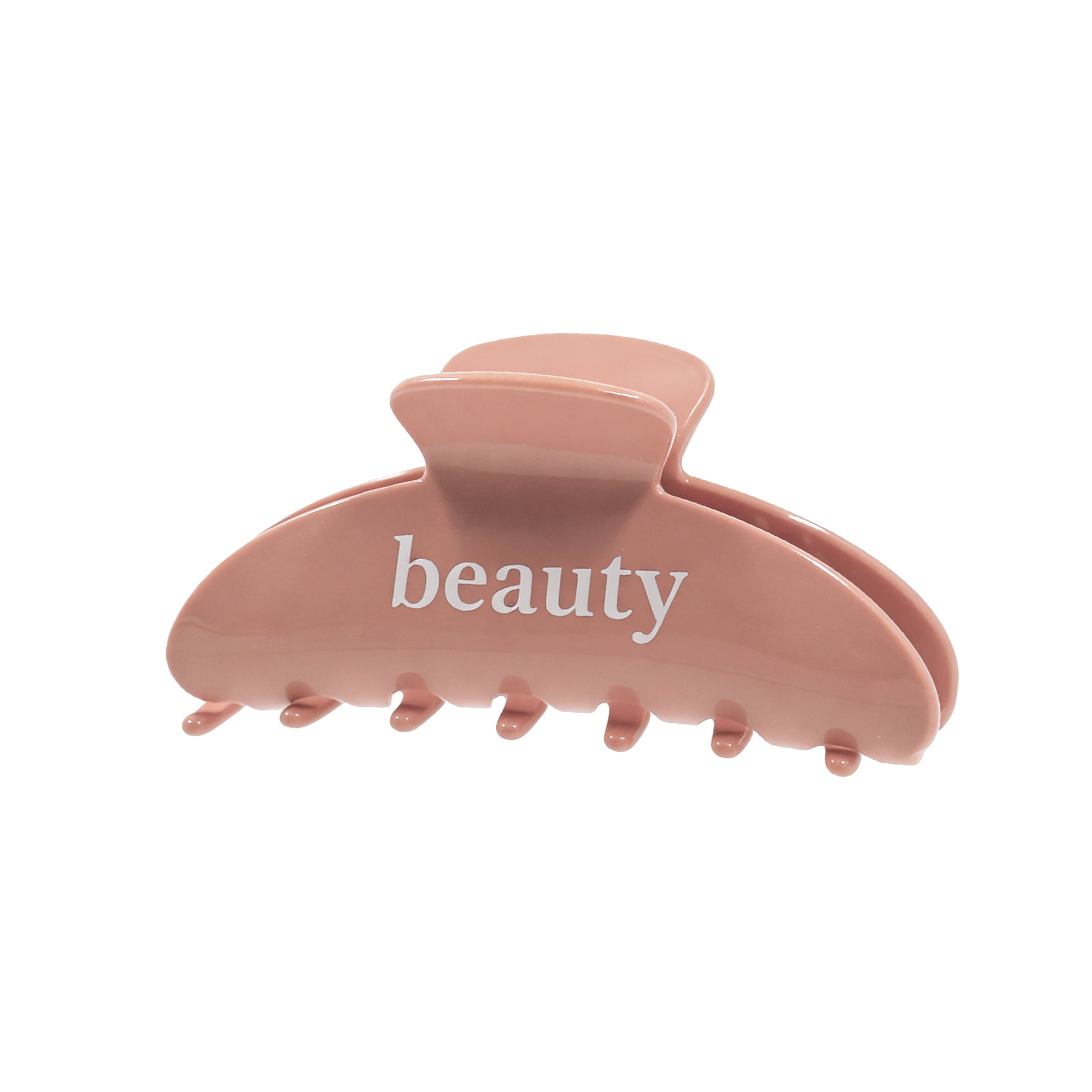
| Claw Clips | 500–1000 | Molds + finishing (painting/plating) increase setup cost |
| Acetate Hair Accessories | 300–800 | Sheets often purchased in batches by color/pattern |
The 4 MOQs You Must Separate (Most Buyers Mix Them Up)
MOQ isn’t always a single number. In hair accessories sourcing, it often comes from four layers. If you identify which layer is causing the increase, you can negotiate smarter.
| MOQ Layer | What It Means | Common Triggers | How to Lower Risk |
|---|---|---|---|
| Product MOQ | Minimum quantity per style to run production efficiently | Complex assembly, multiple processes, tight tolerances | Start with proven factory designs; simplify structure where possible |
| Material MOQ | Minimum purchase quantity for sheets/fabrics/parts from upstream suppliers | Exclusive patterns, rare fabrics, custom metal parts | Use stock materials first; reserve unique materials for proven SKUs |
| Color MOQ | Minimum per color due to mixing, setup, waste, or batch purchasing | Special gradients, custom spray colors, multi-color combos | Launch with “safe colors” (black/clear/tortoise); add seasonal colors later |
| Customization MOQ | Minimums for logo methods, new molds, or custom packaging | New mold development, printed boxes/cards, embossing | Use standard packaging; upgrade after validation; use existing molds when possible |
How MOQ Impacts Your Unit Price, Lead Time, Inventory, and Cash Flow
| Business Impact | What Happens | Buyer Takeaway |
|---|---|---|
| Unit Price | Small batches can’t amortize setup and waste, so per-unit cost rises | Lower MOQ may mean higher unit cost—optimize with combined MOQ or stock materials |
| Lead Time | Custom colors/materials require longer sourcing and trial runs | Choose available materials/colors for faster first drops |
| Inventory Risk | MOQ per color multiplies quickly across SKUs (e.g., 6 colors × MOQ) | Reduce color count at launch; expand only after data proves demand |
| Cash Flow | High MOQ locks capital in stock before you validate product-market fit | Use low-risk launch tactics to validate best-sellers first |
5 Low-Risk Tactics to Reduce MOQ (Actionable)
1) Start with stock materials and proven colors
Mainstream materials and classic colors (like black, clear, or tortoiseshell) are more likely to be available, so factories are often more flexible on MOQ.
- Launch with 2–3 “safe colors”
- Add seasonal colors only after sales data supports it
2) Use existing molds before developing a new one
New molds increase cost and uncertainty, so factories typically require higher MOQs. Ask to start from an existing mold library and make minor tweaks.
- Ask for available mold options
- Modify details (size, teeth shape, logo area) instead of opening a new mold
3) Use standard packaging first, then upgrade
Custom packaging often has higher minimums from print shops. Standard packaging helps you start smaller and faster.
- Test market with OPP bags or standard cards
- Upgrade to custom boxes/cards after validating the SKU
4) Negotiate combined MOQ across colors or variants
Instead of “300 per color,” propose “300 total across 3 colors.” This reduces single-color overstock risk while meeting production efficiency.
- Example: 100 black + 100 clear + 100 tortoise = 300 total
- Best used when material/process is the same
5) Trade planning and repeat orders for flexibility
Factories are more likely to support lower MOQ when they see a clear replenishment plan and stable ordering behavior.
- Share a 60–90 day launch plan
- Place smaller but regular orders
- Provide sell-through feedback to support future flexibility

RFQ Checklist (Copy & Send to Your Factory)
Use this checklist to reduce back-and-forth and get accurate MOQ + pricing faster:
| RFQ Item | What to Provide | Why It Matters |
|---|---|---|
| Design reference | Photos/files, dimensions, target look | Prevents mismatched assumptions and re-quoting |
| Quantity breakdown | Per style, per color, combined MOQ allowed? | Helps optimize production and minimize inventory risk |
| Material & process | ABS/acetate/fabric; painting/plating/printing | Drives setup cost, yield, and MOQ feasibility |
| Logo requirements | Method, placement, size | Customization can add separate MOQs and lead time |
| Packaging level | Standard vs custom card/box/set | Print minimums can be higher than product MOQ |
| Target market | Country/region, compliance needs | Impacts material selection and documentation |
| Delivery plan | First ship date, replenishment rhythm | Planning can unlock flexibility and better scheduling |
FAQ: 3 Common Mistakes New Brands Make
- Launching too many colors too soon: Color MOQs multiply inventory risk. Start narrow, expand later.
- Doing premium custom packaging during testing: Packaging MOQs can quietly raise your minimums.
- Focusing only on the MOQ number: Combined MOQ across colors/variants is often the smarter solution.
Final Takeaway: Validate Best-Sellers with Lower Risk
The most stable path for new brands and multi-SKU buyers is usually:
Stock materials + safe colors → existing molds → standard packaging → combined MOQ → repeat ordering for flexibility.
If you want, you can turn this into a repeatable sourcing workflow: launch small, learn fast, then scale the winners.


Hi, this is a comment.
To get started with moderating, editing, and deleting comments, please visit the Comments screen in the dashboard.
Commenter avatars come from Gravatar.