It sounds like a simple question, but it is one of the most common sources of confusion in hair accessories. Many barrettes look almost identical online. In real wear, though, small changes in width, clasp tension, curvature, material, and size can completely change how a barrette feels and performs. This guide explains the real differences between regular barrettes, which ones work best for fine or thick hair, and how to choose a barrette that looks polished without sliding, pinching, or pulling. The goal is simple: help readers make a better, more informed hair accessories purchase the first time.
QN Beauty, plus one category or inquiry page related to barrettes, clips, or wholesale hair accessories.
1. What Counts as a Regular Barrette in Hair Accessories
1.1 What is a regular barrette?
A barrette, in the most basic dictionary sense, is a clip or bar used to hold hair in place. That definition is broad, but in product language, a regular barrette usually means a classic clasp-style hair accessory with a flat or slightly curved decorative top and a metal closure underneath. It is not a claw clip, not a snap clip, and not a U-pin. It is the kind of hair accessory most people imagine when they think of a polished side barrette, half-up barrette, or slim everyday clip.
1.2 How does it relate to claw clips, snap clips, and French barrettes?
A regular barrette belongs to the broader hair accessories category, but it is a narrower product family than “hair clip.” A claw clip uses opposing jaws and a spring hinge. A snap clip clicks shut with pressure and is usually smaller. A French barrette refers to a specific, traditional clasp style with a tension bar and smooth metal arm. Many regular barrettes on the market use a French-style clasp, which is why shoppers often treat the terms as nearly interchangeable.
1.3 Why do different barrettes look similar but perform differently?
This is where most buying mistakes happen. Two barrettes may look equally elegant in product photos, but one may hold only a narrow side section while the other can manage a full half-up style. The reason is structural. Width, inside clearance, curvature, clasp tension, and bar length all influence hold. A wider barrette may not automatically hold more hair if the clasp is shallow. A more curved barrette may actually fit thick hair better because it follows head shape and creates usable interior space.
Suggested image alt text: “Different regular barrette types shown flat with clasp side visible for size and mechanism comparison.”
2. Common Types of Regular Barrettes
2.1 Slim, wide, and curved barrettes
The easiest way to understand regular barrettes is by silhouette. Slim barrettes are best for small sections, side sweeps, and subtle styling. Wide barrettes spread pressure over a larger area and usually look more intentional in medium or long hair. Curved barrettes are often the quiet performers in a collection because they conform better to the head and can create a more secure hold, especially for thicker or layered hair.
2.2 Small vs. large barrette sizes
Size is the biggest difference among regular barrettes. According to France Luxe’s own FAQ, many of its regular barrettes share a traditional French clasp and differ mainly by size. That sounds simple, but size controls both function and audience. A mini barrette may work across hair types for face-framing sections. A larger rectangle barrette may work best for half-up styles or denser hair. Volume barrettes are often built for thick hair or fuller ponytail sections.
| Barrette Type | Best Use | Best Hair Density | Visual Effect |
|---|---|---|---|
| Mini / slim barrette | Side pieces, bangs, light detail | Fine to medium | Subtle, neat, understated |
| Small rectangle | Half-up accent, partial hold | Fine to medium | Classic, everyday polished |
| Large rectangle | Larger sections, stronger control | Medium to thick | Structured, visible accessory |
| Curved / volume barrette | Fuller half-up or thick hair | Medium-thick to thick | Comfortable, dimensional, elevated |
2.3 Minimal basics vs. decorative barrettes
Not every difference is mechanical. Decorative tops change how a barrette wears. A basic acetate or metal barrette usually works as a daily utility piece. A bow, crystal, beaded, quilted, or sculptural top shifts the product toward statement styling. Decorative barrettes can be just as secure, but heavy embellishment changes balance. The more weight on top, the more the clasp matters.
Suggested image alt text: “Small, large, curved, and decorative regular barrettes arranged by size and shape.”
3. Differences in Hold and Fit
3.1 Which barrettes are best for small sections of hair?
If the goal is to secure a light section near the temple, tidy short layers, or pin back fringe, smaller regular barrettes usually outperform larger ones. They create less drag, feel lighter, and place less tension on fine strands. This is one reason many adults rediscover small barrettes after bad experiences with oversized clips that slide or feel bulky.
3.2 Which barrettes work better for medium or thick hair?
Medium-density hair often works with the broadest range of regular barrettes. Thick hair is more selective. It tends to need either a larger clasp, more internal clearance, or a more curved barrette body. Flat decorative barrettes can look beautiful in thick hair but may not close comfortably if overfilled.
3.3 Which are better for short hair, long hair, or half-up styles?
Short hair benefits from smaller barrettes because placement matters more than capacity. Long hair often needs a medium or large barrette for half-up styles. The classic half-up barrette is where many shoppers realize “regular barrettes” are not actually interchangeable: a barrette that works beautifully on a side section may fail completely in a half-up look.
- Gather the exact section you want to clip.
- Check whether the barrette closes without forcing the clasp.
- Move your head side to side for 10 seconds.
- If the clip lifts away from the head or springs open, size up or choose a more curved style.
Suggested image alt text: “Three models showing regular barrette placement for fine hair, thick hair, and half-up hairstyle.”
4. Differences in Style and Use
4.1 Which regular barrette works best for commuting and everyday wear?
For daily wear, comfort and speed matter more than ornament. The best commuting barrettes are medium-light, smooth against the scalp, and easy to close without a mirror. Acetate rectangles, slim curved barrettes, and understated metallic designs are common winners because they look intentional but not overly dressy.
4.2 Which barrette looks better for formal occasions?
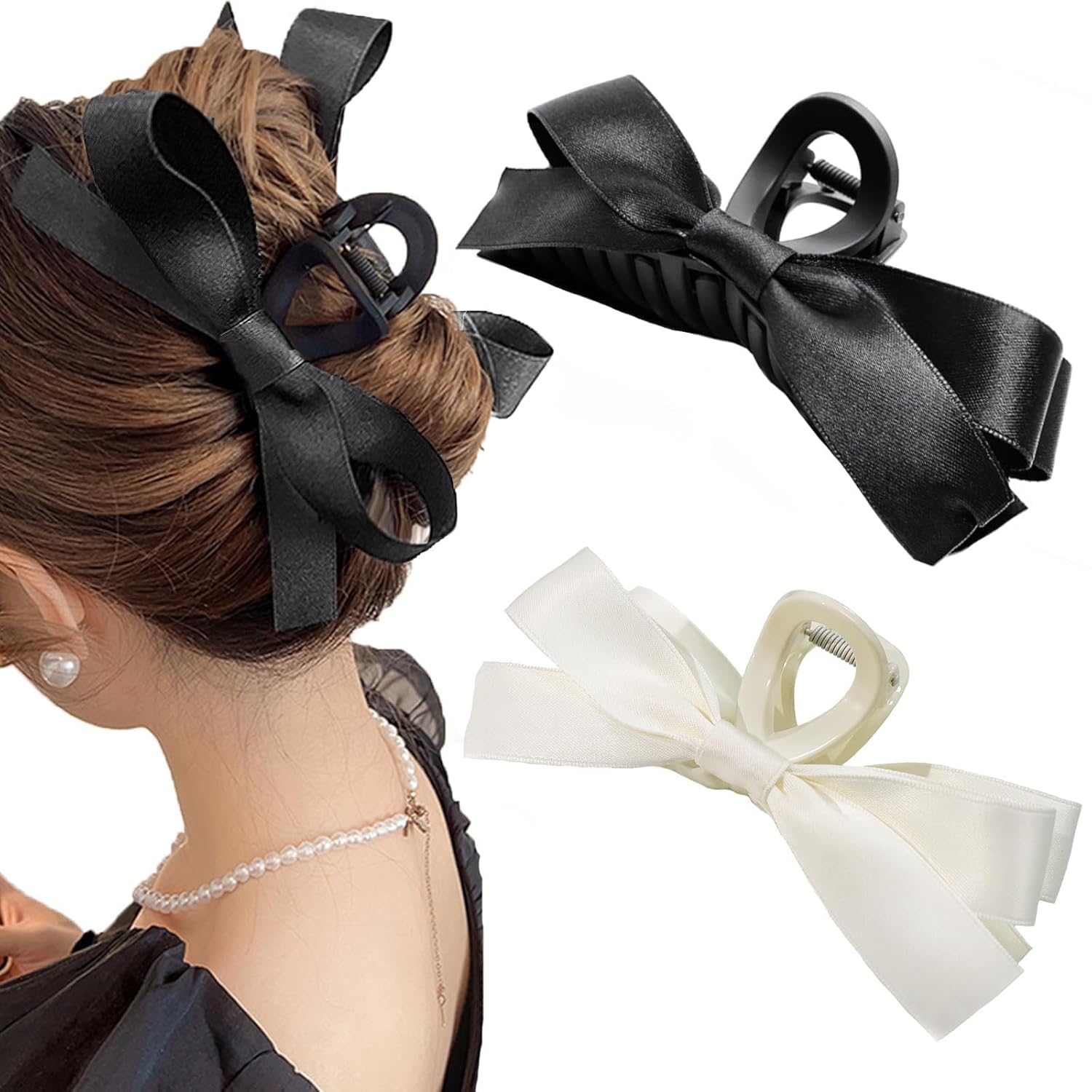
Formal use shifts the decision toward finish and proportion. For events, decorative barrettes with crystal details, satin bows, polished metal surfaces, or sculptural acetate can work beautifully. The key is scale. A formal barrette should complement the hairstyle instead of fighting it. For example, a sleek low ponytail often pairs well with a statement barrette, while textured hair may benefit from a simpler piece with a richer material finish.
4.3 How do children’s and adults’ barrettes differ?
In the current accessories market, many “adult” regular barrettes borrow from nostalgic motifs while upgrading materials and clasp quality. That is one reason barrettes continue to cycle back into fashion.
| Occasion | Recommended Regular Barrette | Why It Works |
|---|---|---|
| Office / commuting | Small or medium acetate rectangle | Low-profile, reliable, easy to wear |
| Weekend casual | Curved barrette in color or tortoise | Comfort plus visible style |
| Formal event | Decorative barrette with refined finish | Elevates simple hairstyles fast |
| Kids / teens | Lightweight slim or click-style barrette | Easy placement, playful, manageable scale |
Suggested image alt text: “Regular barrettes styled for office wear, weekend hair, and formal half-up hairstyle.”
5. Hair Accessories Materials, Clasps, and Comfort
5.1 Why material changes the feel of a barrette
5.2 Why clasp tension matters
This is one reason shoppers often prefer barrettes made in France or from specialized accessory brands: consistency in clasp engineering matters. Good barrette design is not just about appearance; it is about repeatable, comfortable closure.
5.3 Why curvature and edge finishing affect comfort
A slight curve often improves comfort because the accessory sits closer to the scalp. Rough seams, sharp decorative edges, or badly aligned metal hardware can create pressure points. For anyone wearing barrettes for long periods, especially during workdays or events, edge finishing matters. An elegant barrette that pinches after 30 minutes is not really an everyday barrette.
Suggested image alt text: “Close-up comparison of acetate, metal, and fabric regular barrettes with clasp details visible.”
6. How to Choose the Right Regular Barrette
6.1 Choose by hair amount, not just hair type
One of the best buying rules is to choose a barrette by the amount of hair it needs to hold. Fine hair can still require a larger barrette in a half-up style. Thick hair can still use a mini barrette when securing only a small front section. Thinking in sections instead of categories leads to better outcomes and fewer returns.
6.2 Choose by hairstyle complexity
Simple styles need reliable basics. Complex styles need clearer task separation. If the barrette is just finishing a style, decoration can take priority. If it is doing the real work of holding shape, clasp strength and internal capacity should come first. This is particularly important for low pony accents, partial updos, and hair tucked behind the ear with statement pieces.
6.3 Choose by comfort and wear time
Ask how long the barrette needs to stay in place. A photo-only accessory can prioritize appearance. An all-day office accessory needs comfort. A travel-friendly barrette should be durable, light, and easy to reapply. A formal-event barrette can justify more decoration if the wear time is shorter.
- Decide whether you need the barrette for a side section, half-up style, or fuller hold.
- Measure the expected section visually or with a quick gathered test.
- Match the finish to the occasion: basic, polished, or statement.
- Prefer smoother, curved, better-finished barrettes for longer wear.
- If in doubt, buy one smaller and one larger size in the same family.
| If You Need… | Choose… | Avoid… |
|---|---|---|
| Daily side hold | Slim or small regular barrette | Heavy statement pieces |
| Half-up style for medium hair | Medium rectangle or curved barrette | Very flat mini clips |
| Hold for thick hair | Large or volume barrette | Narrow clasps with shallow depth |
| All-day comfort | Smooth acetate, well-finished clasp | Sharp edges, over-tight closure |
Suggested image alt text: “Regular barrette buying guide chart matching size and clasp style to hair amount and hairstyle.”
7. Pros and Cons of Different Regular Barrettes
Pros of slim and small barrettes
- Excellent for fine hair and light sections
- Easy to place near the face
- Usually lighter and more comfortable
- Ideal for everyday wear and understated styling
Cons of slim and small barrettes
- Not suitable for fuller half-up styles
- Can look too delicate in very thick hair
- Decorative versions may prioritize look over hold
Pros of large and curved barrettes
- Better capacity for medium to thick hair
- Often more stable in half-up styles
- Curved shapes can improve comfort and fit
- Read as more intentional or statement-making
Cons of large and curved barrettes
- May overwhelm very fine or short hair
- Can feel heavy if material is poor quality
- More visible, so finish quality matters more
7.1 Are decorative barrettes less secure?
Not automatically. Decorative barrettes become less secure when the top is heavy but the clasp is not upgraded to match. A decorative barrette can be perfectly reliable if the weight distribution is balanced and the clasp is strong. Many premium brands solve this by combining lighter materials, better hardware, and more thoughtful curvature.
7.2 Can one regular barrette work for every hairstyle?
Usually no. This is why barrette wardrobes exist at all. One slim barrette, one medium everyday barrette, and one larger or more decorative barrette is a much more realistic three-piece system than expecting a single style to solve every need.
7.3 Why does the “best” barrette depend on user behavior?
Because products live in routines, not on white backgrounds. Someone who redoes their hair during the day may want a very easy clasp. Someone who commutes, works long hours, and wants a barrette to stay put may prefer stronger tension and a lower-profile silhouette. The best product is the one that fits the wearer’s habits, not just the one with the prettiest product photo.
Suggested image alt text: “Pros and cons comparison graphic for slim, large, curved, and decorative regular barrettes.”
8. Hair Accessories Trends, Expert Advice, and Final Takeaways
8.1 Where regular barrettes fit in the future of hair accessories
8.2 What experts consistently agree on
Three ideas show up again and again across reliable sources. First, not all hair clips are interchangeable. Second, hold depends on mechanism and scale, not just appearance. Third, comfort matters because repeated tension and poor fit can affect both styling experience and hair health. That is why good barrette selection should consider both aesthetics and scalp comfort.
8.3 Final answer: what is the difference between regular barrettes?
The core difference between regular barrettes in modern hair accessories is not simply color or decoration. It is the combination of size, shape, clasp style, internal capacity, curvature, material, and intended use. Small regular barrettes are best for lighter sections and fine hair. Larger or curved barrettes are better for medium-to-thick hair and fuller half-up styles. Decorative barrettes change the styling message, but clasp quality still determines whether the accessory actually works.
Future trend to watch: Expect continued growth in premium acetate finishes, stronger interest in comfortable clasp engineering, and more “occasion-neutral” barrettes that work for both office styling and elevated everyday wear.
Suggested image alt text: “Modern regular barrette collection showing neutral acetate, metal, and decorative styles for different hair types.”
FAQ: Regular Barrettes and Hair Accessories
Which regular barrette is best for fine hair?
Usually a slim or small regular barrette with a secure but not overly stiff clasp. Fine hair often responds better to lighter accessories that do not drag the section downward.
Which barrette holds the most hair?
Among regular barrettes, large curved or volume barrettes generally hold the most hair. They typically provide more interior space and better distribution across thicker sections.
Are decorative barrettes less secure?
They can be, but not always. A decorative top becomes a problem only when it adds too much weight for the clasp or size underneath. A well-engineered decorative barrette can still be very secure.
Can I use a regular barrette for everyday wear?
Yes. In fact, classic regular barrettes are among the best everyday hair accessories because they look polished, sit flatter than claw clips, and work well for light sections and half-up styles.
What is the difference between a regular barrette and a French barrette?
A regular barrette is the broad product category. A French barrette usually refers to a traditional clasp style with a tension bar and smooth metal arm. Many regular barrettes use a French-style clasp, but not all hair clips do.
Are regular barrettes good for thick hair?
Some are. Thick hair usually does better with large, curved, or volume-style barrettes rather than slim, flat barrettes built for smaller sections.
Do barrettes damage hair?
Most do not when sized and worn properly. Problems tend to come from repeated tight tension, rough edges, sharp hardware, or forcing too much hair into a barrette that is too small.
Sources and Suggested External Links
- Grand View Research: Hair Accessories Market Size, Share & Industry Report
- Grand View Research: Clips & Pins Segment Statistics
- Grand View Research: North America Hair Accessories Market Outlook
- Grand View Research: Europe Hair Accessories Market Outlook
- Merriam-Webster: Barrette Definition
- Britannica Dictionary: Barrette Definition
- France Luxe: What Are Hair Barrettes and Hair Clips?
- France Luxe: What Is the Difference Between Your Regular Barrettes?
- France Luxe: What Is a French Barrette?
- American Academy of Dermatology: Hairstyles That Pull Can Lead to Hair Loss
- American Academy of Dermatology: Hair Styling Without Damage
- Allure: Sabrina Carpenter Barrette Style Coverage