The global hair accessories market is experiencing rapid growth, projected to reach USD 46.64 billion by 2033. This presents an exciting opportunity for retailers, distributors, and wholesalers to capitalize on the rising demand for stylish and functional hair accessories. However, sourcing the right products requires careful attention to materials, customization options, and market trends.
Understanding Market Demand and Buyer Challenges
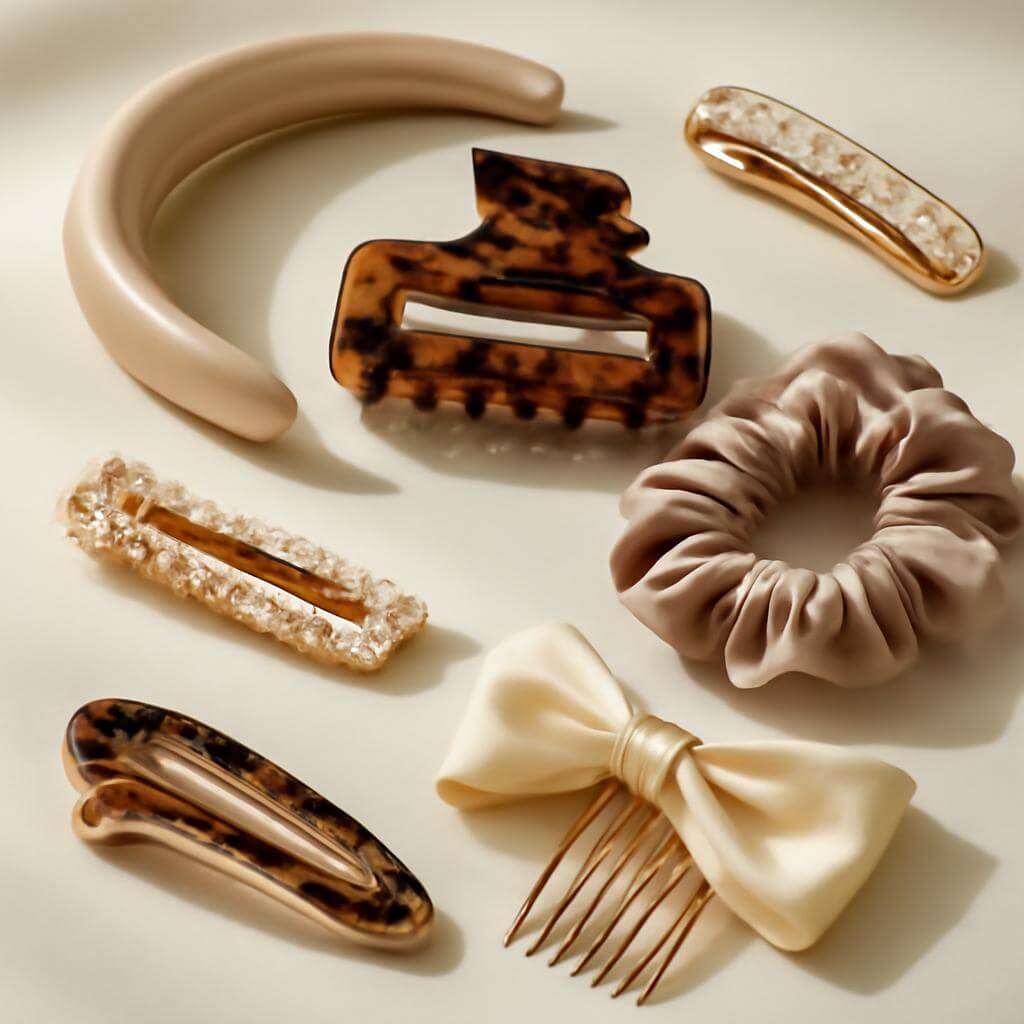
The hair accessories market is driven by evolving consumer preferences, seasonal trends, and the blending of fashion with function. Popular product categories like claw clips, barrettes, scrunchies, and headbands dominate retail shelves. Buyers often face challenges such as ensuring product quality, managing minimum order quantities (MOQs), and meeting lead times for seasonal collections. Additionally, sourcing customizable designs for branding purposes remains a key consideration for B2B buyers.
Key Product and Material Considerations
When sourcing hair accessories, buyers should evaluate factors like material quality, comfort, and durability. Common materials include:
- Plastic: Popular for claw clips and snap clips due to their lightweight and cost-effectiveness. Ensure high-quality finishes to avoid brittleness.
- Metal: Barrettes and hairpins often feature metallic finishes like silver and gold for a premium look. Anti-rust coatings are essential.
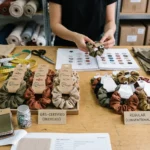
- Fabrics: Satin and velvet are ideal for scrunchies and bows, offering a luxurious feel and vibrant colors.
- Elastic: Hair ties rely on strong elastic bands that can withstand repeated use without losing shape.
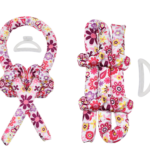
Customization options such as color-matching, logo printing, and patterned designs allow brands to create unique offerings tailored to their target audience.
Wholesale Sourcing and Customization Guide
For B2B buyers, working with reliable suppliers is paramount. Consider the following factors:
- MOQ: Determine minimum order quantities upfront to align with your budget and inventory needs.
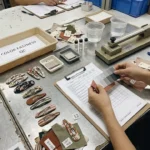
- Sampling: Request samples to ensure product quality, material specifications, and design accuracy.
- Customization: Look for suppliers offering logo printing, bespoke packaging, and special finishes.
- Lead Time: Plan ahead for seasonal trends and allow sufficient time for production and shipping.
- Quality Control: Collaborate with suppliers that conduct rigorous inspections to avoid defects and ensure customer satisfaction.
Partnering with experienced manufacturers like Bling Accessory Co., Ltd ensures access to a wide range of customizable hair accessories while meeting professional B2B standards.
Retail, Branding, and Packaging Strategy
Effective branding and packaging can elevate the perceived value of hair accessories. Consider these strategies:
- Seasonal Collections: Develop themed product lines that align with holidays, back-to-school seasons, or fashion trends.
- Gift-Ready Sets: Bundle multiple accessories in visually appealing packaging for higher perceived value.
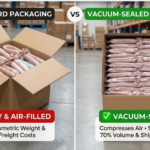
- Eco-Friendly Packaging: Opt for biodegradable or recyclable materials to appeal to sustainability-conscious consumers.
- Retail Displays: Invest in attractive displays that showcase product features and encourage impulse purchases.
Brands can also leverage custom hair accessories to enhance their distinct identity and forge stronger connections with customers.
Practical Recommendations for Buyers
B2B buyers should stay informed about market trends, prioritize quality, and establish long-term relationships with trusted suppliers. Collaborating with wholesale hair accessories manufacturers ensures access to high-quality products tailored to your business needs. With robust sourcing strategies, retailers and distributors can tap into the booming hair accessories market and deliver value to their customers.
Frequently Asked Questions
What are hair accessories called?
Hair accessories encompass a wide range of items designed for styling and decorating hair. Common examples include clips, ties, barrettes, headbands, and scrunchies.
What is considered a hair accessory?
Any product used to style, secure, or decorate hair can be considered a hair accessory. This includes functional items like elastics and decorative pieces like bows and jeweled pins.
What are examples of hair accessories?
Examples include claw clips, snap clips, barrettes, scrunchies, headbands, hair ties, bows, and satin accessories.
What’s another word for hair accessories?
Hair adornments or hair embellishments are alternative terms often used to describe decorative hair products.
How can I source wholesale hair accessories?
Sourcing from specialized manufacturers like custom hair accessories suppliers ensures access to high-quality, customizable products suitable for retail and branding purposes.
What materials are commonly used in hair accessories?
Common materials include plastic, metal, elastic, and fabric. Each material offers distinct advantages depending on the product type and intended use.