The global hair accessories market is thriving, with projections indicating growth from USD 23.41 billion in 2024 to USD 46.64 billion by 2033. This surge is driven by consumer demand for versatile, stylish, and functional hair accessories that cater to diverse demographics. For B2B buyers—whether you’re a retailer, distributor, or beauty brand—sourcing the right hair accessories involves navigating trends, materials, customization options, and production considerations. This comprehensive guide will help you make informed purchasing decisions in this expanding market.
Understanding Market Trends and Buyer Challenges
Hair accessories are no longer just functional items; they are fashion statements that cater to various consumer needs, from everyday styling to special occasions. The market demand spans multiple categories, including claw clips, scrunchies, barrettes, and headbands. However, B2B buyers often face challenges such as identifying reliable suppliers, ensuring consistent quality, and sourcing customizable products that align with seasonal trends.
One notable trend is the rising popularity of eco-friendly and sustainable materials. As consumers become more environmentally conscious, the demand for biodegradable or recycled materials in hair accessories has grown. Additionally, the preference for versatile designs that suit various hair textures and styles is shaping purchasing decisions.
Key Considerations for Hair Accessories: Materials and Design
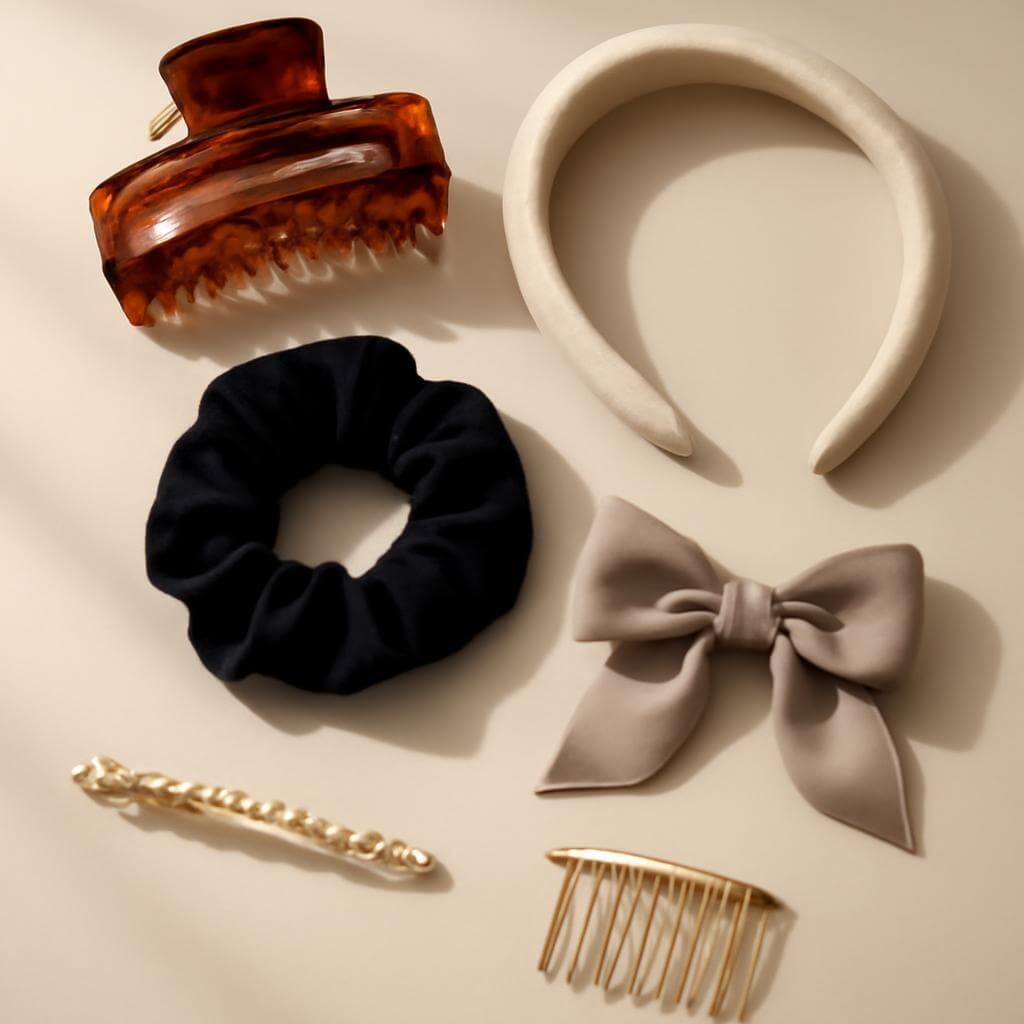
When sourcing hair accessories, the choice of materials plays a critical role in determining product quality and customer satisfaction. Here are some common materials and their benefits:
- Plastic: Durable and available in various finishes, such as matte, glossy, or metallic. Ideal for claw clips and barrettes.
- Fabric: Used in scrunchies and bows, popular fabrics include satin, cotton, and velvet for their softness and aesthetic appeal.
- Metal: Often used in barrettes and decorative hairpins, offering a premium look and feel.
- Eco-friendly options: Bamboo, recycled plastics, or biodegradable materials cater to the growing demand for sustainability.
Design is equally important. Buyers should evaluate comfort, durability, and style. For example, claw clips with rounded edges and strong grips are preferred for thicker hair, while lightweight options cater to finer hair types. Similarly, scrunchies with elastic bands featuring high tensile strength ensure longevity.
Wholesale Sourcing and Customization Guide
For B2B buyers, sourcing hair accessories involves more than just selecting products—it’s about aligning with a supplier that meets your business needs. Here are key aspects to consider:
- Minimum Order Quantities (MOQs): Determine whether the supplier offers MOQs that suit your business size. Smaller buyers may benefit from flexible MOQ options.
- Sampling: Request product samples to evaluate quality and design before committing to bulk orders.
- Customization: Look for suppliers offering customization options, such as logo printing, brand-specific colors, and unique packaging designs. This is particularly beneficial for retailers aiming to create private-label collections.
- Lead Time: Ensure the supplier can meet your timeline, especially for seasonal or promotional collections.
- Quality Control: Partner with suppliers who implement rigorous quality checks to ensure consistency across batches.
For example, Bling Accessory Co., Ltd provides tailored solutions for wholesale buyers, offering a wide range of wholesale hair accessories with customization options to meet diverse business needs.
Retail, Branding, and Packaging Strategies
Effective retail and branding strategies can elevate the appeal of hair accessories. Here are some tips:
- Seasonal Collections: Plan product assortments around seasonal trends, such as pastel-colored hair ties for spring or metallic barrettes for the holiday season.
- Packaging: Invest in visually appealing packaging that reflects your brand identity. Options include eco-friendly boxes, reusable pouches, or hang tags with branding.
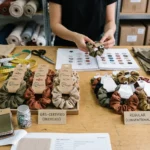
- Retail Displays: Use creative merchandising to highlight product features. For instance, displaying scrunchies in color gradients or using mannequins to showcase headbands can draw attention.
- Gift Sets: Bundle complementary products, such as a set of claw clips and scrunchies, to boost gift sales.
By focusing on presentation and branding, you can enhance the perceived value of your products and drive higher sales.
Practical Recommendations for Buyers
As a B2B buyer, navigating the hair accessories market requires strategic planning and reliable partnerships. Here are some actionable tips:
- Identify trends that align with your target audience. Monitor social media platforms and fashion influencers for emerging styles.
- Work with suppliers like Bling Accessory Co., Ltd that offer flexible MOQs, customization options, and competitive lead times.
- Evaluate the durability and comfort of materials to ensure customer satisfaction.
- Plan collections in advance to align with seasonal and promotional schedules.
By following these recommendations, you can streamline your sourcing process and achieve long-term success in the hair accessories market.
Frequently Asked Questions
What are hair accessories called?
Hair accessories encompass a variety of items used to style or decorate hair. These include clips, barrettes, scrunchies, headbands, and more.
What is considered a hair accessory?
Any item used to secure, style, or enhance hair can be considered a hair accessory. Examples include claw clips, elastics, bows, and decorative pins.
What are some accessories for hair?
Popular hair accessories include barrettes, headbands, scrunchies, claw clips, hair ties, and embellished combs.
How can I source wholesale hair accessories?
To source wholesale hair accessories, collaborate with reliable suppliers like custom hair accessories manufacturers who offer flexible MOQs, customization, and quality control.
What materials are best for hair accessories?
Materials like satin, velvet, metal, and eco-friendly options are popular due to their comfort, durability, and aesthetic appeal.
Can I customize hair accessories for my brand?
Yes, many suppliers offer customization options, including logo printing, color matching, and custom packaging, to help brands create unique products.