The demand for hair accessories has seen exponential growth, driven by their dual role in fashion and functionality. According to industry reports, the global hair accessories market is projected to grow from USD 23.41 billion in 2024 to USD 46.64 billion by 2033, with a CAGR of 8.0%. For B2B buyers, retailers, and beauty brands, understanding key trends, sourcing considerations, and customization options is essential to staying competitive in this expanding market.
Market Insights: Why Hair Accessories Are a Top-Selling Category
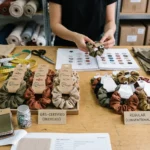
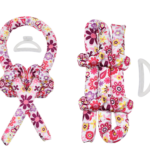
Hair accessories like barrettes, claw clips, scrunchies, and headbands are no longer just practical items—they’re fashion statements. Retailers and distributors are capitalizing on the versatility of hair accessories, which appeal to diverse customer segments, from children to adults. Popular trends include oversized designs, metallic finishes, and soft textures, reflecting seasonal fashion influences.
Additionally, the U.S. hair accessories market generated USD 4,561.4 million in revenue in 2024 and is expected to reach USD 8,904.6 million by 2033. This growth is attributed to rising consumer interest in affordable, trend-aligned accessories that enhance both casual and formal styling.
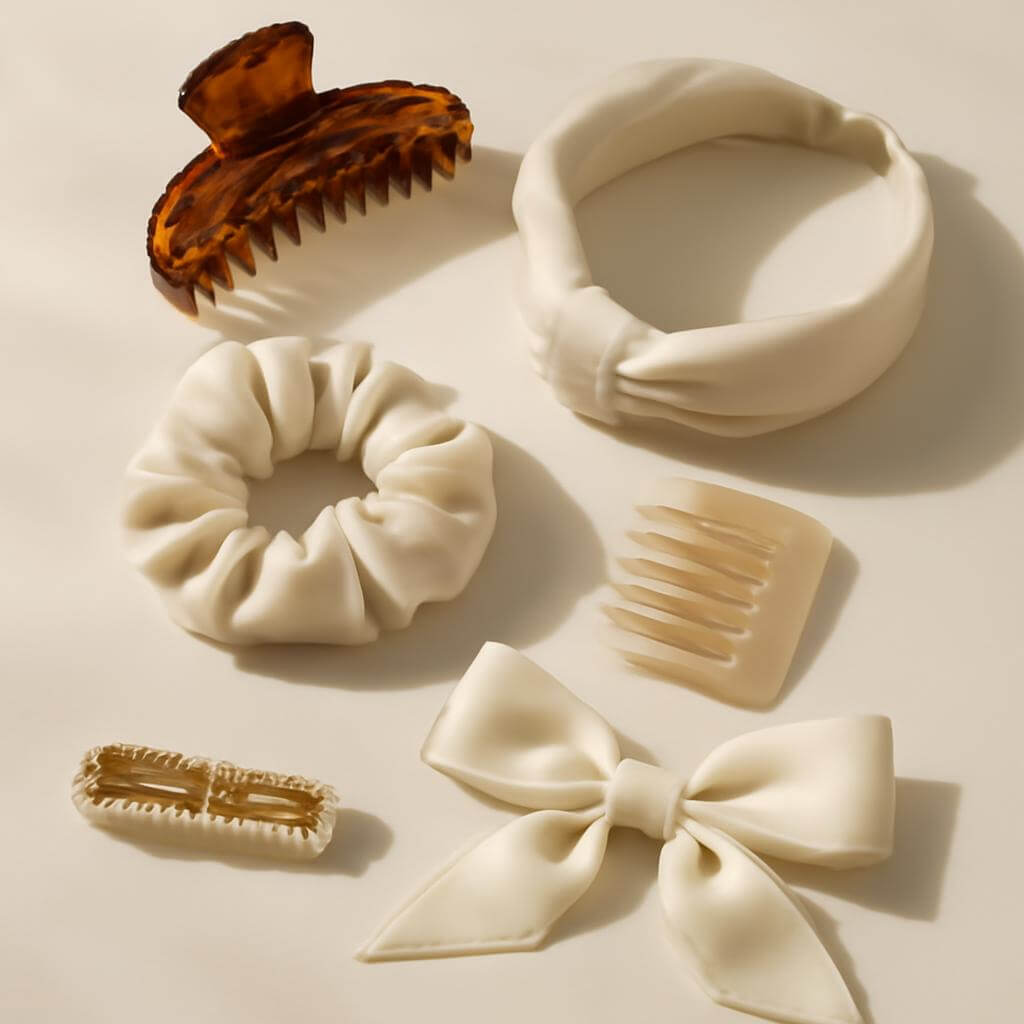
Essential Considerations for Hair Accessory Materials
When sourcing hair accessories, material quality is a top priority. Common materials include plastics, metals, fabrics, and eco-friendly alternatives like recycled plastics or plant-based fibers. Each material offers unique benefits:
- Plastics: Lightweight and versatile, suitable for claw clips, barrettes, and snap clips. Ensure BPA-free and durable options for long-term use.
- Metals: Ideal for barrettes and decorative pins, offering a sleek and polished look. Anti-rust coatings enhance durability.
- Fabrics: Velvet, satin, and cotton dominate scrunchies and headbands. These materials add softness and comfort, appealing to premium markets.
- Eco-Friendly Options: Growing demand for sustainable materials has made biodegradable plastics and organic fabrics increasingly popular.
Durability, comfort, and safety standards should also be evaluated. For instance, hair accessories designed for kids must meet stricter safety criteria compared to adult products. Collaborating with specialized manufacturers ensures compliance and consistent quality.
Wholesale Sourcing: Customization and Supplier Collaboration
For retailers and beauty brands, working with reliable suppliers is crucial to meet market demands. Key considerations include:
- Minimum Order Quantity (MOQ): Wholesale buyers should clarify MOQs, which vary based on product type and customization complexity.
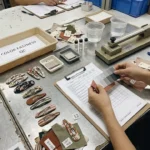
- Sampling Process: Request product samples to evaluate material quality, design accuracy, and overall finish.
- Logo and Branding: Custom hair accessories with logos or branding elevate a brand’s identity. Options include laser engraving, embroidery, or silkscreen printing.
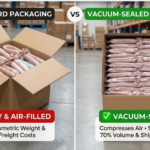
- Packaging: Retail-ready packaging, such as gift boxes or eco-friendly wraps, enhances the product’s appeal and aligns with branding strategies.
- Lead Times: Discuss production timelines with suppliers to ensure on-time delivery, especially for seasonal collections.
Quality control (QC) checks, including color matching and material inspection, are essential to ensure consistency across bulk orders. Partnering with established suppliers like Bling Accessory Co., Ltd can streamline the sourcing process.
Retail and Branding Strategies for Hair Accessories
Presentation matters as much as the product itself. Retailers and distributors can enhance sales by incorporating the following strategies:
- Seasonal Collections: Launch themed collections for holidays or seasons, such as floral designs for spring or metallic tones for winter.
- Visual Merchandising: Showcase hair accessories in attractive displays or gift-ready sets to encourage impulse buying.
- Digital Marketing: Use social media and e-commerce platforms to highlight new arrivals and bestsellers.
- Value-Added Features: Offer multi-packs or curated kits to increase perceived value.
For brands looking to differentiate, collaborating with a supplier that offers trend forecasting and design support can provide a competitive edge. Customization, both in product and packaging, ensures alignment with the brand’s identity.
Practical Recommendations for Buyers
To succeed in the competitive hair accessories market, B2B buyers should prioritize quality, trend alignment, and supplier reliability. Start by sourcing from professional manufacturers who offer both wholesale hair accessories and custom hair accessories. Evaluate their MOQ, lead times, and QC processes to ensure smooth operations. Partnering with experts like Bling Accessory Co., Ltd can help streamline sourcing while ensuring consistent quality.
Frequently Asked Questions
What are hair accessories called?
Hair accessories refer to items like barrettes, hair clips, claw clips, scrunchies, headbands, and ties, which are used to style or secure hair.
What is considered a hair accessory?
A hair accessory is any item designed to hold, decorate, or enhance hair. This includes functional tools like ties and clips, as well as decorative pieces like bows and barrettes.
What are some accessories for hair?
Popular hair accessories include claw clips, barrettes, snap clips, scrunchies, headbands, and decorative pins. These items cater to different styles and occasions.
How do I find a reliable wholesale supplier for hair accessories?
Look for suppliers with a proven track record, transparent MOQ policies, and customization options. Companies like Bling Accessory Co., Ltd specialize in high-quality, wholesale hair accessories.
What materials are commonly used in hair accessories?
Materials include plastics, metals, fabrics (like satin and velvet), and eco-friendly options such as recycled plastics and organic fibers.
Can hair accessories be customized with logos?
Yes, many suppliers offer customization options such as logo printing, embroidery, or engraving to align with branding needs.