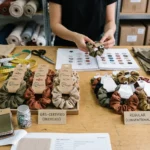
The global hair accessories market is thriving, with projections indicating it will reach USD 46.64 billion by 2033, growing at a CAGR of 8.0% from 2025 to 2033. This growth reflects the increasing demand for stylish, functional, and diverse hair accessories in both retail and wholesale markets. For retailers, distributors, and beauty brands, navigating this booming industry means understanding product trends, material considerations, and sourcing strategies.
Understanding Market Trends and Buyer Challenges
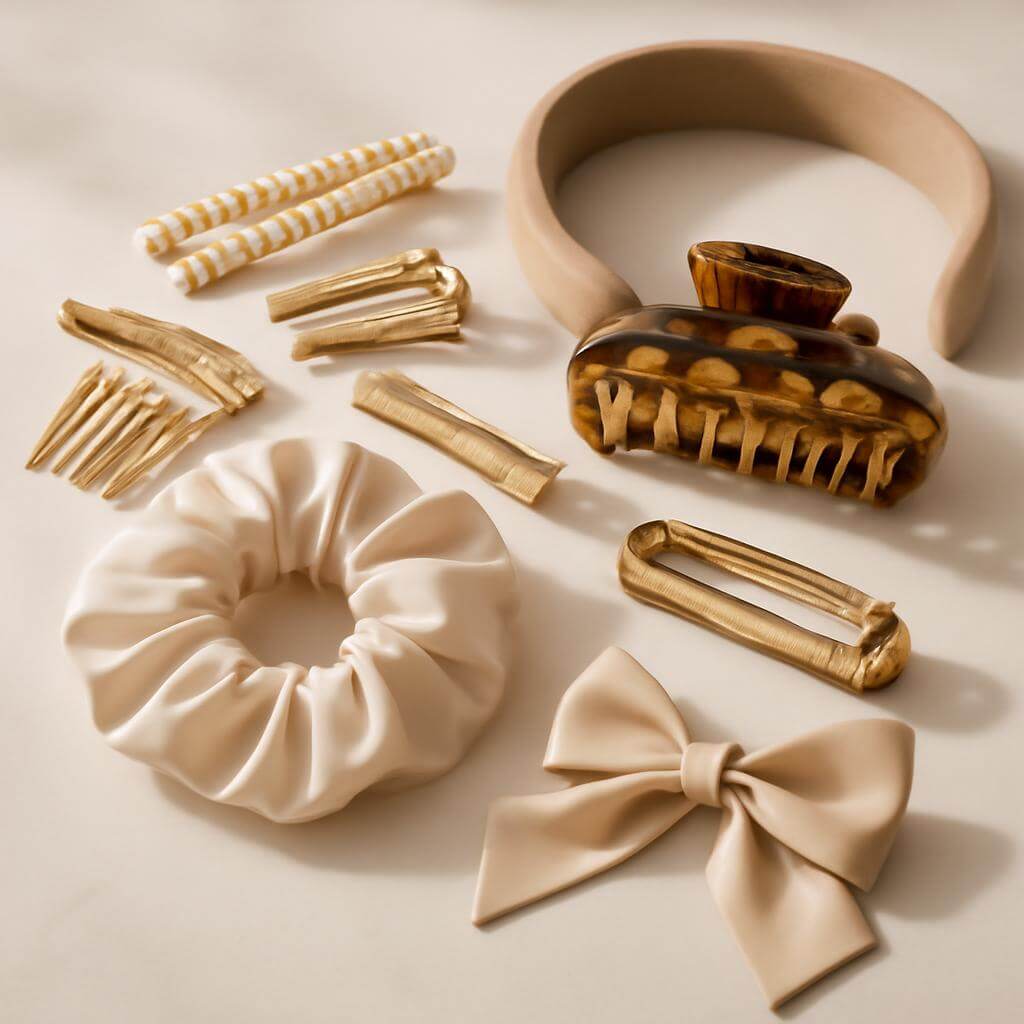
Hair accessories have evolved from simple functional tools to fashion-forward statements. Popular categories such as claw clips, headbands, scrunchies, and barrettes dominate sales due to their versatility and aesthetic appeal. Retailers aim to cater to diverse demographics, from younger trend-driven consumers to older women seeking elegant and practical designs. However, challenges like finding reliable suppliers, managing minimum order quantities (MOQs), and ensuring consistent quality often complicate the sourcing process.
Additionally, the rise of eco-conscious consumers has increased the demand for sustainable materials like recycled plastics, organic fabrics, and biodegradable packaging. Brands that fail to address these trends risk losing market share. Thus, sourcing partners must offer innovative designs, material options, and customization capabilities to stay competitive.
Product and Material Considerations for Hair Accessories
When sourcing hair accessories, understanding the available product types and materials is critical. Here are key considerations:
- Material Durability: High-quality materials like metal alloys, cellulose acetate, and premium fabrics ensure durability and customer satisfaction. For example, claw clips made of durable plastic or metal are less prone to breaking than cheaper alternatives.
- Comfort: Comfort is a significant factor for end users. Accessories like headbands and scrunchies should be gentle on the scalp and hair to prevent discomfort or breakage.
- Finish and Aesthetics: Matte finishes, metallic sheens, and hand-painted designs add visual appeal. Seasonal trends often dictate popular colors and patterns, such as pastel tones in spring or jewel tones for the holiday season.
- Customization: Retailers and brands often require bespoke designs, logos, or packaging. Suppliers like wholesale hair accessories providers can offer personalized solutions to meet branding needs.
By prioritizing these factors, buyers can source products that align with their target audience’s expectations.
Wholesale Sourcing and Customization Guide
Wholesale sourcing involves balancing cost efficiency with quality and customization. Here are practical steps for successful procurement:
- Minimum Order Quantities (MOQs): Check the supplier’s MOQ policies to ensure they match your inventory needs. MOQs can vary significantly based on product type and customization requirements.
- Sampling: Request samples to evaluate product quality, material finish, and durability before committing to large orders.
- Customization Options: Leading suppliers offer options to add logos, adjust colors, or create unique designs. This helps brands differentiate their offerings in competitive markets.
- Packaging: Consider retail-ready packaging solutions like branded boxes, eco-friendly pouches, or gift sets. Packaging plays a crucial role in enhancing product appeal.
- Lead Times: Confirm production and shipping timelines to avoid disruptions, especially during peak retail seasons.
- Quality Control (QC): Partner with suppliers that implement strict QC measures to ensure product consistency and reliability.
Reliable manufacturers like Bling Accessory Co., Ltd specialize in meeting these needs, offering streamlined solutions for retailers and wholesalers.
Retail, Branding, and Packaging Strategy
For retailers and brands, a strong branding and merchandising strategy can significantly boost sales:
- Retail Display: Use visually appealing displays, such as color-coordinated racks or seasonal themes, to attract customers. Rotating collections based on trends keeps inventory fresh.
- Gift Sets: Bundling accessories like matching scrunchies and headbands into curated sets can enhance perceived value, especially for holiday or back-to-school promotions.
- Eco-Friendly Branding: Highlight sustainable materials and recyclable packaging to appeal to eco-conscious shoppers.
- Digital Marketing: Use high-quality images and videos that showcase the product’s functionality and style across e-commerce platforms and social media.
By focusing on branding and presentation, businesses can build customer loyalty and maximize revenue.
Practical Recommendations for Buyers
Sourcing hair accessories requires a strategic approach. Here are actionable tips for buyers:
- Partner with specialized manufacturers that offer a wide range of products and customization options, such as custom hair accessories.
- Stay updated on seasonal trends and consumer preferences through market research and supplier insights.
- Choose suppliers with proven experience and robust quality control processes to ensure consistent product delivery.
- Plan inventory well in advance to account for lead times and seasonal demand spikes.
- Consider eco-friendly materials and packaging to align with sustainability trends and customer expectations.
By implementing these strategies, businesses can secure a competitive edge in the thriving hair accessories market.
Frequently Asked Questions
What are hair accessories called?
Hair accessories refer to items used to style, enhance, or secure hair. Common examples include clips, barrettes, headbands, scrunchies, and claw clips.
What is considered a hair accessory?
Any item designed to embellish or manage hair can be considered a hair accessory, ranging from functional tools like hair ties to decorative pieces like jeweled barrettes.
What are examples of hair accessories?
Examples include claw clips, scrunchies, barrettes, headbands, bows, and hairpins. Each serves different purposes, from securing hairstyles to adding a fashionable touch.
What are popular materials used in hair accessories?
Popular materials include plastic, metal, fabric, cellulose acetate, and eco-friendly options such as recycled or biodegradable materials.
How can businesses customize hair accessories?
Businesses can customize hair accessories through logo printing, unique patterns, custom packaging, and tailored color schemes. Suppliers like Bling Accessory Co., Ltd offer extensive customization options.
What is the benefit of sourcing from specialized manufacturers?
Specialized manufacturers provide expertise, quality control, and a wide range of products, ensuring that businesses receive reliable and customized solutions for their needs.