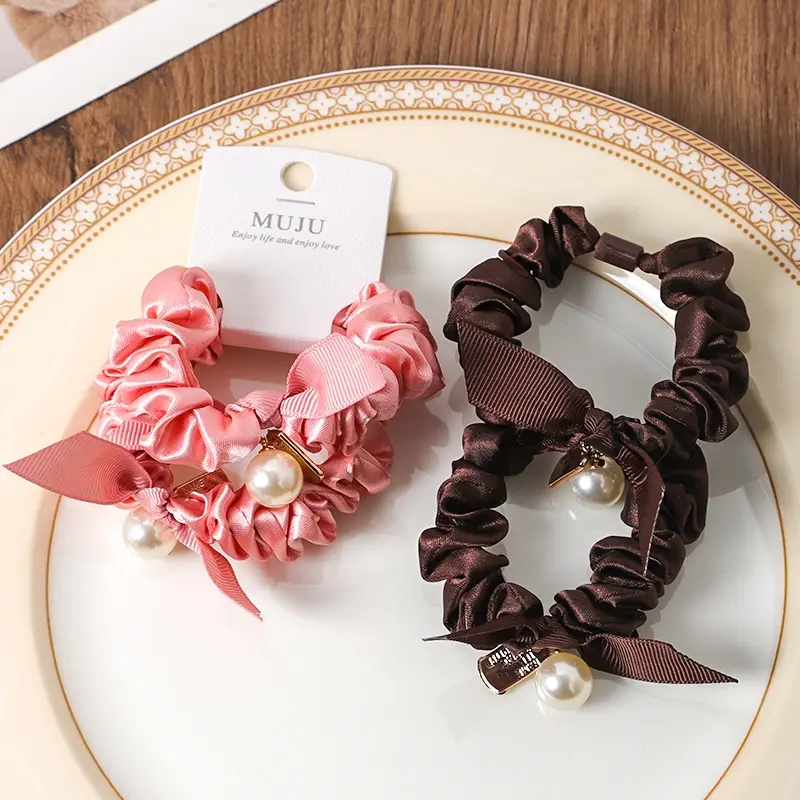
For B2B buyers, wholesalers, and private label brands, the wording matters. A customer may search for “hair attachments,” but a professional product catalog should use clearer category names such as “claw clips,” “barrettes,” “snap clips,” “headbands,” or “hair combs.” Clear naming improves buyer understanding, product filtering, SEO performance, and communication with manufacturers.
The global hair accessories market remains commercially important. Grand View Research estimates the global hair accessories market at USD 23.41 billion in 2024 and projects it to reach USD 46.64 billion by 2033. Fortune Business Insights projects the market to grow from USD 22.52 billion in 2026 to USD 39.80 billion by 2034. These figures show why accurate product naming is more than a wording detail; it supports search visibility, catalog clarity, and wholesale conversion.
External data note: Statista can be added as a supporting paid data source if your team has access. Do not cite specific Statista figures unless verified from your own account.
What Does “Hair Attachments” Mean?
“Hair attachments” is a broad phrase. Some consumers use it to mean decorative hair accessories, while others may use it to describe hair extensions, wigs, clip-in hair pieces, or hair styling tools that attach to the hair. Because the term is broad, buyers and suppliers should define the product type clearly before discussing quotation, material, MOQ, packaging, or customization.
In most beauty and fashion retail contexts, hair attachments can refer to products that attach to the hair for either function or decoration. These include clips, pins, combs, headbands, bows, barrettes, claw clips, and similar styling accessories. In hair salon or hair replacement contexts, however, “hair attachments” may refer to extensions or hair pieces.
Why the term can be confusing
The phrase “hair attachments” is not as precise as “hair clips” or “hair extensions.” It describes the action of attaching something to the hair, but not the actual product category. This can create confusion in B2B communication, especially when a buyer sends a short inquiry without reference images.
Why correct terminology matters for sourcing
Correct terminology helps suppliers identify the right production process. A metal snap clip, acetate claw clip, satin bow, and clip-in hair extension all require different materials, production lines, quality checks, packaging, and compliance considerations.
How naming affects SEO and catalog conversion
Clear product names help search engines and buyers understand the page. Google’s guidance emphasizes helpful, reliable, people-first content. For product catalogs, this means names should match real buyer search behavior instead of using vague or over-creative labels.
| Possible Meaning | Examples | Best Catalog Term |
|---|---|---|
| Decorative hair accessories | Barrettes, pearl clips, bows | Hair accessories / decorative hair clips |
| Functional hair holders | Claw clips, bobby pins, snap clips | Hair clips / hair pins / claw clips |
| Hair extension products | Clip-in extensions, hair pieces | Hair extensions / hair pieces |
| Styling set items | Headbands, combs, scrunchies | Hair accessory sets |
Common Names for Hair Attachments
The best name depends on the product’s function, material, and structure. In a B2B catalog, broad labels such as “hair attachment” should usually be replaced with specific category names. This helps buyers find the right product faster and reduces back-and-forth communication.
Hair clips
Hair clips are one of the broadest and most commonly used terms. They can include snap clips, alligator clips, duckbill clips, sectioning clips, claw clips, and decorative clips. For SEO, “hair clips” is useful as a parent category, but individual product pages should be more specific.
Barrettes
Barrettes usually refer to decorative clips that secure a section of hair. They may use metal, acetate, plastic, pearl, rhinestone, resin, or fabric decoration. Barrettes are common in fashion, bridal, kids, and event styling collections.
Bobby pins and hair pins
Bobby pins and hair pins are smaller accessories used to secure hairstyles. Bobby pins are often simple and functional, while hair pins can also be decorative, especially in bridal and formal styling. Pearl hair pins and rhinestone hair pins are common examples.
Hair combs and claw clips
Hair combs are inserted into the hair to hold or decorate hairstyles. Claw clips use teeth and spring tension to hold larger sections of hair. Both are classic accessory types, but they should not be grouped under one vague term if the catalog needs clear navigation.
| Common Name | Typical Function | Best B2B Product Title Example |
|---|---|---|
| Hair clip | General holding or decorating | Custom Acetate Hair Clips for Private Label Brands |
| Barrette | Secures and decorates side sections | Pearl Barrette Hair Clips for Bridal Collections |
| Bobby pin | Secures small sections of hair | Metal Bobby Pins with Custom Card Packaging |
| Hair pin | Functional or decorative styling | Rhinestone Hair Pins for Event Styling |
| Claw clip | Holds larger hair sections | Matte Acetate Claw Clips for Wholesale |
| Hair comb | Inserted into hair for hold or decoration | Decorative Pearl Hair Combs for Bridal Sets |
Internal link placement: Link “wholesale hair accessories” to https://qnbeauty.com/wholesale-hair-accessories/.
Hair Accessories vs. Hair Extensions
One of the most important distinctions is the difference between hair accessories and hair extensions. Both can attach to hair, but they serve different purposes and belong to different product categories.
Hair accessories are usually used to hold, decorate, organize, or style existing hair. Hair extensions are used to add length, volume, color, or coverage. This difference matters because the supplier base, production process, compliance requirements, and customer expectations are different.
Decorative and functional hair accessories
Hair accessories include claw clips, headbands, barrettes, bobby pins, scrunchies, bows, combs, snap clips, and similar items. They are commonly made from fabric, acetate, plastic, metal, pearl, rhinestone, elastic, or resin.
Hair extensions, wigs, and hair pieces
Hair extensions, wigs, and hair pieces may use synthetic hair, human hair, clips, tapes, wefts, or other attachment systems. They are generally part of the hair replacement or hair enhancement category, not the general hair accessory category.
When buyers should use each term
If the product is a clip, barrette, bow, headband, scrunchie, or comb, use “hair accessory.” If the product adds artificial or human hair to the head, use “hair extension,” “wig,” or “hair piece.” If the buyer is not sure, product images and reference samples should be shared before quotation.
| Category | Main Purpose | Typical Products | Common Materials |
|---|---|---|---|
| Hair accessories | Hold, decorate, or style hair | Clips, headbands, barrettes, scrunchies | Acetate, fabric, metal, pearl, plastic, elastic |
| Hair extensions | Add length, volume, color, or coverage | Clip-in extensions, tape-ins, wefts, hair pieces | Synthetic hair, human hair, clips, tapes, lace |
Hair Attachment Types by Function
Another useful way to name hair attachments is by function. This is especially helpful for B2B catalogs because buyers often search based on what the product does: hold hair, decorate hair, secure a hairstyle, or create a formal look.
Holding and securing hair
Products such as claw clips, bobby pins, snap clips, hair ties, and alligator clips are commonly used to hold or secure hair. In product titles, words like “strong hold,” “non-slip,” “daily styling,” or “for thick hair” can clarify function.
Decorating hairstyles
Decorative hair attachments include pearl clips, rhinestone barrettes, bow clips, flower clips, enamel pins, and embellished combs. These are common in bridal, holiday, party, kids, and fashion collections.
Creating bridal or event looks
Bridal and event hair accessories often include pearl hair pins, rhinestone combs, delicate barrettes, satin bows, and floral pieces. These products should use precise names because buyers usually search by occasion and material.
| Function | Product Examples | Useful SEO Modifiers |
|---|---|---|
| Hold hair | Claw clips, snap clips, bobby pins | strong hold, non-slip, daily use, fine hair, thick hair |
| Decorate hair | Pearl clips, rhinestone barrettes, bow clips | decorative, elegant, fashion, bridal, party |
| Organize hair | Sectioning clips, alligator clips, headbands | salon, beauty routine, skincare, professional |
| Create event styles | Hair combs, hair pins, bridal barrettes | wedding, bridal, formal, evening, event |
Expert Naming Tip
A strong B2B product title should usually include product type, material, function, and buyer use case. For example, “Pearl Barrette Hair Clips for Bridal Wholesale” is clearer than “Beautiful Hair Attachment.”
Materials and Structures Used in Hair Attachments
Hair attachment names often become clearer when material and structure are included. A “hair clip” can be plastic, acetate, metal, pearl, rhinestone, fabric-covered, rubber-coated, or resin-based. Adding material terms helps buyers understand the product faster and improves SEO relevance.
Metal clip bases and pins
Metal is commonly used for snap clips, alligator clips, bobby pins, barrettes, duckbill clips, and decorative hair pins. Buyers should check plating quality, spring tension, smooth edges, and rust resistance, especially for products sold in beauty or children’s markets.
Acetate and plastic clip bodies
Acetate and plastic are common for claw clips, hair clips, combs, and barrettes. Acetate is often positioned as more premium because it offers rich color effects, tortoise patterns, marble textures, and better visual depth.
Fabric-covered attachments
Fabric-covered attachments include satin bows, velvet headbands, cotton scrunchies, organza clips, and printed fabric barrettes. These products are useful for seasonal collections, kids’ lines, bridal sets, and beauty gift packaging.
Pearl, rhinestone, and decorative trims
Pearl, rhinestone, enamel, metal charms, lace, embroidery, and floral trims are often used to make hair accessories more decorative. Buyers should check attachment strength and surface quality before bulk orders.
| Material / Structure | Common Products | Better Product Title Example |
|---|---|---|
| Metal base | Snap clips, barrettes, bobby pins | Gold Metal Snap Hair Clips with Custom Card Packaging |
| Acetate body | Claw clips, barrettes, hair pins | Custom Acetate Claw Clips for Private Label Brands |
| Fabric-covered | Bows, headbands, barrettes | Satin Bow Hair Clips for Wholesale Gift Sets |
| Pearl trim | Barrettes, hair pins, combs | Pearl Hair Barrettes for Bridal Collections |
| Rhinestone trim | Hair pins, clips, combs | Rhinestone Hair Pins for Event Styling |
Internal link placement: Link “custom hair accessories” to https://qnbeauty.com/.
B2B Naming Tips for Product Catalogs
Product naming has a direct effect on buyer understanding, search visibility, and catalog conversion. A vague product name may sound creative, but it can reduce search performance and create confusion. A clear name helps buyers know what the product is, what it is made of, and how it can be used.
Use clear category names for buyers
Use standard product terms such as claw clips, barrettes, snap clips, bobby pins, hair pins, hair combs, scrunchies, headbands, and hair bows. Avoid relying only on broad terms such as “hair attachment” unless you are writing an educational article.
Include material and function in product titles
A good product title should include the material and function when possible. For example, “Matte Acetate Claw Clips for Thick Hair” is stronger than “Fashion Hair Clip” because it tells buyers the material, product type, and use case.
Avoid overly vague product descriptions
Product names such as “beautiful hair item,” “fashion hair attachment,” or “new style hair thing” are not helpful for buyers or search engines. Use descriptive terms that match how people actually search.
Match SEO keywords with buyer search behavior
B2B buyers often search using product type plus customization or wholesale terms. Examples include “custom hair clips,” “wholesale claw clips,” “private label headbands,” “pearl barrettes wholesale,” and “custom scrunchies manufacturer.”
| Formula Element | Example | Why It Helps |
|---|---|---|
| Material | Acetate, satin, velvet, metal, pearl | Shows product quality and style direction. |
| Product type | Claw clip, barrette, headband, scrunchie | Improves category clarity. |
| Function or use case | Non-slip, bridal, daily styling, thick hair | Matches buyer intent. |
| B2B modifier | Wholesale, custom, private label, manufacturer | Attracts business buyers. |
- Step 1: Identify the exact product type.
- Step 2: Add the main material or finish.
- Step 3: Add the use scenario or target customer.
- Step 4: Add a B2B modifier if the page targets wholesale buyers.
- Step 5: Keep the title natural and readable.
Internal link placement: Link “private label hair accessories” to https://qnbeauty.com/custom-service/.
Case Study: Improving Product Names for Better Buyer Search
A private label hair accessory supplier had several product titles that used vague names such as “Fashion Hair Attachment,” “Beautiful Hair Decoration,” and “New Hair Item.” These names sounded stylish internally, but buyers searching the catalog could not quickly understand the product type.
The supplier revised the names based on product type, material, and use case. “Fashion Hair Attachment” became “Pearl Barrette Hair Clips for Bridal Wholesale.” “Beautiful Hair Decoration” became “Satin Bow Hair Clips with Custom Card Packaging.” “New Hair Item” became “Matte Acetate Claw Clips for Private Label Brands.”
After the naming update, the catalog became easier to navigate. Sales staff could quote faster, buyers could identify relevant products more quickly, and product pages matched more specific search terms. The change did not require new product development; it only required better terminology and clearer buyer-focused descriptions.
| Old Name | Improved Name | Why It Is Better |
|---|---|---|
| Fashion Hair Attachment | Pearl Barrette Hair Clips for Bridal Wholesale | Includes material, product type, use case, and B2B intent. |
| Beautiful Hair Decoration | Satin Bow Hair Clips with Custom Card Packaging | Clarifies structure and packaging option. |
| New Hair Item | Matte Acetate Claw Clips for Private Label Brands | Matches common B2B search behavior. |
Pros and Cons of Different Naming Styles
Naming style affects how a product feels to customers and how easily buyers can find it. Creative names may support branding, but clear descriptive names usually perform better for catalogs, wholesale pages, and SEO.
| Naming Style | Pros | Cons | Best Use |
|---|---|---|---|
| Generic name | Simple and broad | Not specific enough for SEO or buyers | Parent category pages |
| Creative name | Good for branding and campaigns | May not explain the product clearly | Collection names or retail packaging |
| Descriptive SEO name | Clear, searchable, buyer-friendly | Can become too long if not controlled | B2B product pages and catalogs |
| Technical name | Precise for production communication | May sound less attractive to customers | Spec sheets and supplier communication |
Expert Summary
For B2B SEO, use descriptive product names first and creative collection names second. A buyer should understand the product type within three seconds of reading the title.
Future Trends in Hair Accessory Naming
As online sourcing becomes more competitive, product naming will become more specific and search-intent-driven. Buyers will expect catalogs to be organized by product type, hair type, material, function, and customization option.
Trend 1: Hair-type-specific naming
Product names may increasingly include terms such as fine hair, thick hair, curly hair, kids’ hair, or non-slip grip. This helps buyers and consumers choose products more accurately.
Trend 2: Material-led product titles
Materials such as acetate, satin, velvet, metal, pearl, rhinestone, and recycled plastic will continue to appear in product titles because they communicate quality and style direction.
Trend 3: Private label and customization keywords
B2B buyers often search for customization. Terms such as custom, wholesale, private label, OEM, logo, packaging, and manufacturer can help attract business search intent.
Trend 4: Clearer separation between accessories and extensions
As beauty categories become more specialized, catalogs should clearly separate hair accessories from hair extensions, wigs, and hair pieces to avoid buyer confusion.
| Trend | Product Title Example | B2B Benefit |
|---|---|---|
| Hair-type-specific naming | Non-Slip Claw Clips for Fine Hair | Targets more precise customer needs. |
| Material-led naming | Acetate Hair Barrettes for Wholesale | Communicates quality and product style. |
| Customization keywords | Custom Logo Headbands for Private Label Brands | Attracts B2B sourcing traffic. |
| Category separation | Hair Accessories vs. Hair Extensions | Reduces buyer misunderstanding. |
FAQs About Hair Attachments
What are hair attachments called?
Hair attachments may be called hair accessories, hair clips, barrettes, bobby pins, hair pins, claw clips, hair combs, headbands, bows, scrunchies, or hair pieces depending on the product type and function.
Are hair clips considered hair attachments?
Yes. Hair clips can be considered hair attachments because they attach to the hair to hold, secure, or decorate a hairstyle. However, “hair clips” is a clearer product name than the broader term “hair attachments.”
What is the difference between hair accessories and hair extensions?
Hair accessories are used to hold, decorate, or style existing hair. Hair extensions are used to add length, volume, color, or coverage. They are different product categories and should be named separately in catalogs.
What are decorative hair pieces called?
Decorative hair pieces may be called barrettes, pearl clips, rhinestone hair pins, bridal hair combs, bow clips, flower clips, decorative headbands, or hair accessories, depending on the structure.
How should wholesalers name hair accessory products online?
Wholesalers should use clear names that include product type, material, function, and B2B intent. For example, “Custom Acetate Claw Clips for Private Label Brands” is clearer than “Fashion Hair Attachment.”
Is “hair attachment” a good SEO keyword?
“Hair attachment” can be useful in educational content because some users search that phrase, but product pages should usually use more specific terms such as hair clips, barrettes, claw clips, bobby pins, or headbands.
What information should be included in a B2B hair accessory product title?
A strong B2B product title should include the material, product type, function or use case, and buyer intent. Examples include “Pearl Barrettes for Bridal Wholesale” or “Custom Satin Bow Hair Clips with Card Packaging.”
Conclusion: Use Clear Hair Accessory Names Instead of Vague Terms
Hair attachments can be called many different names, including hair clips, barrettes, bobby pins, hair pins, claw clips, hair combs, headbands, bows, scrunchies, and hair pieces. The best term depends on the product’s function, material, and structure.
For B2B buyers and private label brands, clear naming is essential. It helps buyers understand the product faster, improves catalog navigation, supports SEO, and reduces communication mistakes during sourcing. While “hair attachments” can be useful in educational content, specific product names are usually better for product pages and wholesale catalogs.
As the hair accessories market grows, product naming will become more precise. Future catalogs will likely use more material-led, function-led, hair-type-specific, and private-label-focused naming structures. Brands that organize products clearly will be easier for buyers to search, compare, and order.
Need Help Developing Custom Hair Accessories?
If you are building a wholesale or private label hair accessory collection, start by defining the exact product categories: claw clips, barrettes, headbands, scrunchies, hair pins, bows, or hair combs. Then confirm material, color, logo method, packaging, and target market before sample development.