
The hair accessories market is undergoing a dynamic transformation, driven by evolving fashion trends and increasing consumer demand for versatile, stylish, and functional products. For B2B buyers—whether retailers, distributors, or salon owners—capitalizing on these trends requires a strategic approach to sourcing, customization, and branding. This article explores the current landscape, practical considerations for sourcing, and how brands can position themselves for success in the booming hair accessories market.
The Growing Demand for Hair Accessories
Industry research indicates that the global hair accessories market is projected to grow from USD 23.41 billion in 2024 to USD 46.64 billion by 2033, with a compound annual growth rate (CAGR) of 8.0%. In the U.S. alone, the market is expected to nearly double, reaching USD 8,904.6 million by 2033. This growth is fueled by a shift toward accessory-driven styling, making hair accessories a must-have for both everyday wear and special occasions.
For B2B buyers, this trend represents an opportunity to stock a diverse range of products that cater to various customer segments, including luxury collections, professional-grade accessories, and seasonal offerings.

Understanding Product and Material Considerations
When sourcing hair accessories, material quality and design versatility are key. Here are some of the most popular product types and material considerations:
- Hair Clips and Barrettes: These staples come in metal, acrylic, or resin finishes. Buyers should prioritize clips with strong grips and smooth edges to ensure comfort and durability.
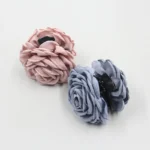
- Claw Clips: Often made from durable plastics or reinforced metal, claw clips are favored for their practicality. Matte finishes and neutral tones are particularly popular in 2025 collections.
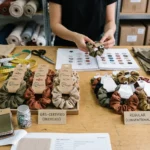
- Scrunchies: Satin and silk scrunchies remain customer favorites for their gentle grip and hair-friendly material. Velvet options are also trending for winter collections.
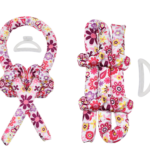
- Headbands: Padded and embellished headbands made from fabrics like velvet, satin, or faux leather are on-trend. Custom embellishments such as pearls, crystals, or embroidery can add a premium touch.
- Hair Ties and Elastics: High-stretch, no-break elastics are essential for all-day hold. Buyers can consider eco-friendly materials such as recycled polyester to meet growing sustainability demands.
Customization options such as color matching, embossed logos, and unique finishes can help brands differentiate their offerings. For example, brands can collaborate with manufacturers to create exclusive color palettes or incorporate company logos on hair ties or scrunchies.
Wholesale Sourcing and Customization Guide
Finding a reliable supplier is critical to ensuring product quality and timely delivery. Here are key steps to streamline wholesale sourcing:
- Minimum Order Quantities (MOQs): Most manufacturers set MOQs for custom orders. Buyers should evaluate their inventory needs and choose suppliers who offer flexible MOQ options.
- Sampling: Request samples to verify material quality, design accuracy, and functionality before placing bulk orders.
- Lead Times: Clear communication about production timelines is essential, particularly for seasonal collections. On average, lead times range from 2-6 weeks, depending on order complexity.
- Logo and Branding: Suppliers often offer options to add logos via printing, embroidery, or laser engraving. These customizations can enhance brand identity and customer recall.
- Packaging: Packaging is a crucial aspect of retail presentation. Buyers can opt for eco-friendly materials, branded tags, or gift-ready boxes to elevate the perceived value of their products.
- Quality Control (QC): Thorough QC checks should be conducted to ensure consistent product quality, particularly for intricate designs or embellished accessories.
B2B buyers can explore custom hair accessories solutions to create unique collections that align with their brand vision.
Retail, Branding, and Packaging Strategy
Retailers and beauty brands can maximize sales by curating collections that align with seasonal trends and customer preferences. Here are some strategies to consider:
- Seasonal Collections: Offer lightweight, pastel-toned accessories for spring/summer and rich, textured options for fall/winter.
- Visual Merchandising: Display hair accessories near mirrors or styling stations to encourage impulse purchases.
- Gift Sets: Bundling products into curated gift sets is an effective way to increase average order value, particularly during holidays.
- Targeted Marketing: Highlight the multi-functional nature of products like claw clips or headbands in social media campaigns to attract a broader audience.
By collaborating with specialized manufacturers such as Bling Accessory Co., Ltd, retailers can enhance their product offerings and stay ahead of market trends.
Practical Recommendations for Buyers
To succeed in the competitive hair accessories market, buyers should focus on sourcing high-quality, customizable products that cater to diverse customer needs. Partnering with experienced suppliers like Bling Accessory Co., Ltd can ensure access to a wide range of wholesale hair accessories with flexible customization options. By aligning product selections with current trends and optimizing retail presentation, businesses can build lasting customer loyalty.
Frequently Asked Questions
What are hair accessories called?
Hair accessories are broadly categorized as decorative or functional items used to style and secure hair. Common examples include clips, barrettes, scrunchies, headbands, and hair ties.
What are examples of hair accessories?
Popular examples include claw clips, satin scrunchies, embellished headbands, pearl-studded barrettes, and eco-friendly hair ties. These items offer both fashion and function.
What’s another word for hair accessories?
Hair accessories are sometimes referred to as hair ornaments, hair adornments, or hair styling tools, depending on their purpose and design.
What are the best hair accessories?
The best hair accessories depend on the target audience and use case. For example, satin scrunchies are ideal for protecting hair, while claw clips are perfect for quick updos. Retailers should consider their customer demographic when selecting products.
Can hair clips cause traction alopecia?
Hair clips, if used excessively or too tightly, can contribute to traction alopecia. Buyers should source clips with smooth edges and secure, yet gentle, grips to minimize this risk.
What hair accessories are trending in 2026?
Industry forecasts suggest that satin scrunchies, oversized claw clips, and embellished headbands will dominate the market in 2026, reflecting a blend of timeless elegance and modern trends.