The global hair accessories market is poised for significant growth, projected to reach USD 46.64 billion by 2033, driven by seasonal trends, material innovations, and increasing consumer demand for functional yet stylish products. For B2B buyers, from retailers to beauty brands, understanding these trends and sourcing strategies is critical for staying ahead in a competitive market. In this article, we explore key insights for sourcing hair accessories, including product considerations, customization options, and packaging strategies tailored to wholesale buyers.
Market Trends and Buyer Challenges
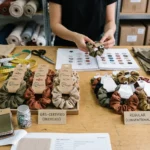
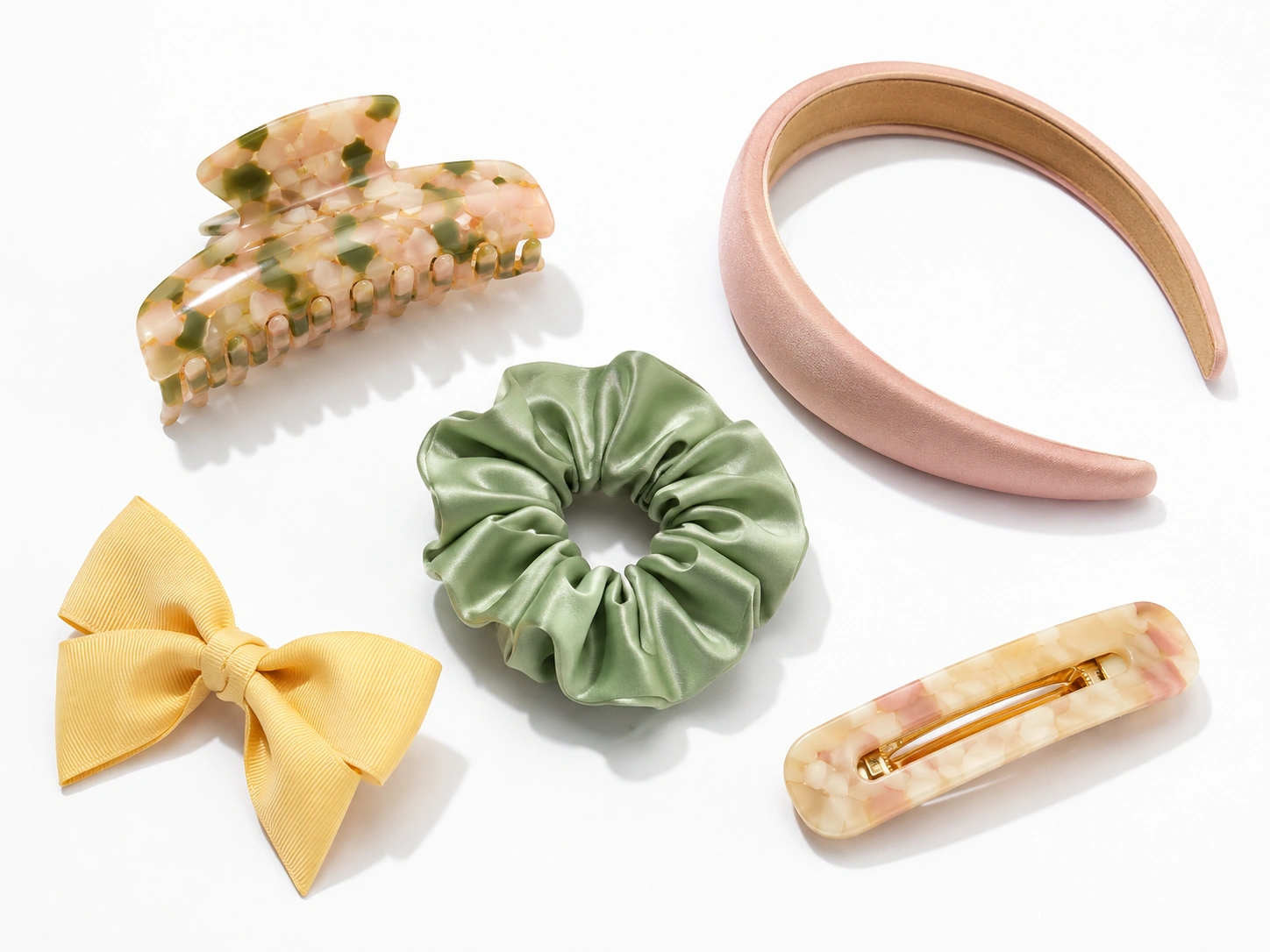
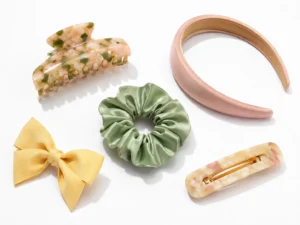
The hair accessories market is becoming increasingly diverse, with products like claw clips, scrunchies, headbands, barrettes, and hair ties leading the charge. Industry reports suggest that consumer preferences are shifting toward high-quality materials, sustainable options, and unique designs that align with seasonal collections. However, for B2B buyers, challenges such as minimum order quantities (MOQs), lead times, and ensuring product quality remain significant hurdles.
Another major consideration is the need for trend-driven designs. Popular styles include oversized scrunchies in satin finishes, polka dot claw clips, and textured headbands. Buyers often seek suppliers capable of rapid customization and delivery to meet dynamic retail demands.
Product and Material Considerations
When sourcing hair accessories, material selection plays a vital role in determining product quality and consumer appeal. Common materials include:
- Plastic: Durable and lightweight, ideal for claw clips and barrettes.
- Satin and Velvet: Luxurious options for scrunchies and headbands.
- Metal: Stylish finishes for decorative barrettes and hair pins.
- Elastic: High-strength materials for hair ties and elastics.
Additionally, buyers should evaluate finishes such as matte, glossy, or textured designs to align with target customer preferences. Comfort and durability are critical for products like headbands and scrunchies, which require long-term wearability.
Customization is another key factor. Wholesale buyers often look for options like logo embossing, custom colors, and thematic designs to align with their brand identity or seasonal campaigns. Custom hair accessories offer significant value in creating differentiated product lines.
Wholesale Sourcing and Customization Guide
Wholesale buyers need to navigate various factors to ensure smooth sourcing. Here are some critical considerations:
- MOQ and Sampling: Suppliers often set minimum order quantities. Requesting samples before committing to bulk orders is essential for quality assurance.
- Lead Time: Seasonal collections require timely delivery. Ensure suppliers have reliable production timelines to prevent delays.
- Logo and Branding: Customization options such as embossed logos or printed designs enhance brand visibility.
- Packaging: Buyers often seek gift-ready packaging or retail-friendly displays. Transparent packaging can showcase the product’s design effectively.
- Quality Control: Collaborate with suppliers who offer stringent QC processes, ensuring products meet durability standards and customer expectations.
Partnering with a trusted manufacturer like Bling Accessory Co., Ltd ensures access to reliable wholesale production and tailored customization options.
Retail, Branding, and Packaging Strategy
For retailers and beauty brands, effective presentation of hair accessories is crucial for driving sales. Consider the following strategies:
- Seasonal Collections: Plan thematic collections such as spring florals, summer brights, or winter metallics to match consumer shopping patterns.
- Visual Merchandising: Use retail displays with tiered stands, color-coordinated arrangements, or hanging racks to attract attention.
- Gift-Ready Packaging: Packaging designs such as festive boxes or eco-friendly wraps can appeal to customers during holiday seasons.
- Storytelling: Include product tags or inserts that highlight material quality, sustainability, or the inspiration behind the design.
Retailers can also leverage online platforms for showcasing collections, ensuring that product descriptions emphasize key features like comfort, durability, and versatile styling.
Practical Recommendations for Buyers
As the hair accessories market continues to grow, B2B buyers must focus on sourcing strategies that prioritize quality, customization, and seasonal relevance. Working with manufacturers who offer flexible MOQ, rapid sampling, and robust QC processes can provide a competitive edge. For those seeking reliable wholesale production, wholesale hair accessories from trusted suppliers like Bling Accessory Co., Ltd are worth exploring.
Frequently Asked Questions
What are hair accessories called?
Hair accessories encompass a wide range of products, including hair clips, barrettes, headbands, scrunchies, claw clips, and hair ties. They are designed for both functional hairstyling and decorative purposes.
What is considered a hair accessory?
Any item designed to hold, style, or decorate hair can be considered a hair accessory. This includes elastics, decorative pins, bows, and even functional products like headbands and claw clips.
What are examples of hair accessories?
Examples of hair accessories include claw clips, scrunchies, barrettes, headbands, hair ties, bows, and decorative pins. These products vary in style, material, and function.
What’s another word for hair accessories?
Hair ornaments, hair adornments, or head accessories are alternative terms for hair accessories.
What materials are commonly used in hair accessories?
Common materials include plastic, metal, satin, velvet, elastic, and sustainable options like recycled fabrics. Each material offers unique benefits in terms of durability, comfort, and aesthetics.
How can I customize hair accessories for my brand?
Customization options include logo embossing, color matching, thematic designs, and specialized packaging. Manufacturers like Bling Accessory Co., Ltd can help tailor products to meet specific branding needs.