Table of Contents
- What Is a Custom Headbands Manufacturer?
- Why Fashion Retailers Choose Custom Headbands
- Popular Types of Custom Headbands
- Material Options for Custom Headbands
- Customization Options for Headbands
- How Fashion Retailers Develop Custom Headbands
- How to Choose the Right Headbands Manufacturer
- Case Study: Custom Headbands for a Fashion Retailer
- Pros and Cons of Custom Headbands
- Common Questions About Custom Headbands
- Conclusion
What Is a Custom Headbands Manufacturer?
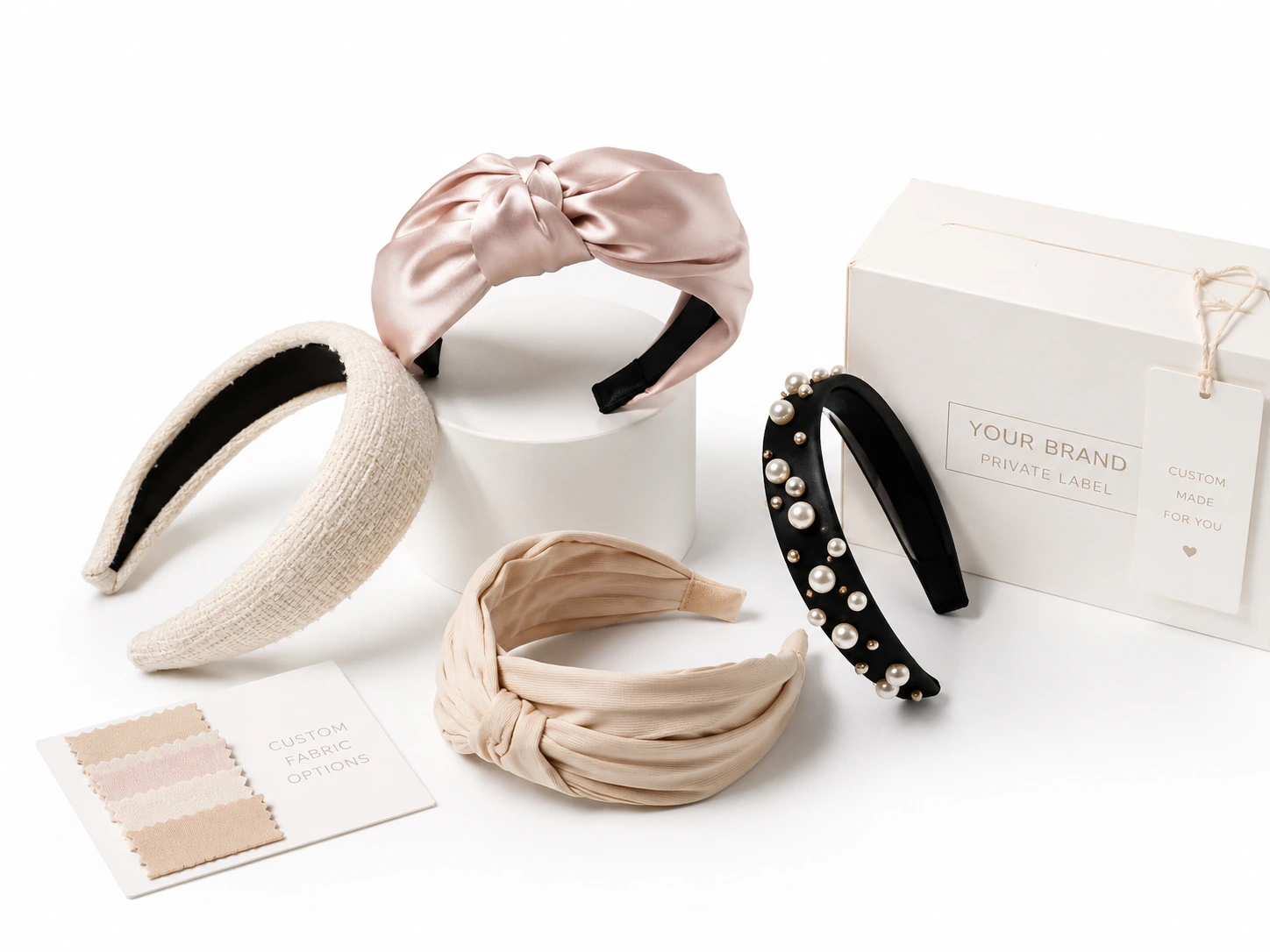
A Custom Headbands Manufacturer is a factory or production partner that develops and produces headbands according to a buyer’s product requirements. These requirements may include headband type, width, fabric, color, pattern, padding, plastic base, elastic structure, logo method, packaging, barcode label, and bulk order quantity.Unlike a ready-stock supplier, a custom manufacturer helps brands create products that match their retail positioning. For example, a boutique may need padded velvet headbands in seasonal colors. A beauty brand may need terry spa headbands with embroidery. A fashion retailer may need knotted satin headbands with custom cards. A gift company may need a headband and scrunchie set packed in a retail box.Q&N Beauty’s Headbands category includes fabric headbands, fashion headbands, spa and makeup headbands, and sports headbands. The page also shows that headband products can be customized with logo, size, material, and packaging, which are core requirements for fashion and beauty buyers.Meaning of Custom Headbands Manufacturing
Custom headbands manufacturing means producing headbands based on brand-specific requirements instead of selling only generic designs. The customization can be simple or advanced. A simple project may use an existing headband shape with a custom woven label and paper card. A more advanced project may require custom fabric, Pantone color matching, padding changes, special knot shape, embroidery, and gift packaging.| Customization Level | What Is Customized | Best For | Development Difficulty |
|---|---|---|---|
| Basic Customization | Logo label, hang tag, simple packaging | Startups and boutiques | Low |
| Style Customization | Fabric, color, width, knot, padding | Fashion retailers and private label brands | Medium |
| Full OEM Development | New shape, special material, exclusive pattern, custom packaging | Established brands and retail chains | Higher |
OEM vs ODM Headbands Manufacturing
OEM and ODM are two common manufacturing models. OEM means the buyer provides a specific design and the factory produces according to that design. ODM means the factory provides existing or semi-developed styles that the buyer can customize with material, color, logo, or packaging.| Manufacturing Model | How It Works | Best For | Main Advantage |
|---|---|---|---|
| OEM Headbands | Buyer provides design, size, material, logo, and packaging requirements | Brands with clear product concepts | Higher design control and differentiation |
| ODM Headbands | Factory provides existing styles that can be modified | Startups, boutiques, seasonal launches | Faster development and lower risk |
| Private Label Headbands | Factory style is customized with buyer’s brand identity | Retailers and online sellers | Quick launch with brand-ready presentation |
Common Headbands Made by Manufacturers
Professional headband manufacturers usually produce multiple headband types for different markets. Fashion buyers may focus on wide headbands, padded headbands, bow headbands, and knotted headbands. Beauty buyers may prefer spa headbands, terry makeup headbands, and headband gift sets. Sports and wellness brands may choose stretch headbands or elastic yoga hair bands.| Headband Type | Common Materials | Best Use | Customization Options |
|---|---|---|---|
| Wide Headbands | Satin, cotton, velvet, printed fabric | Fashion styling and boutique retail | Width, fabric, color, logo, packaging |
| Knotted Headbands | Polyester, cotton, satin, jersey | Daily fashion and outfit matching | Knot shape, print, width, tag, card |
| Padded Headbands | Velvet, satin, PU, sponge padding | Premium retail and statement styling | Padding height, base, color, label |
| Spa Headbands | Terry, microfiber, fleece, plush | Skincare, makeup, beauty sets | Embroidery, size, elastic, gift pouch |
| Sports Headbands | Elastic fabric, jersey, moisture-control fabric | Fitness, yoga, wellness | Size, elasticity, print, logo card |
Why Fashion Retailers Choose Custom Headbands
Fashion retailers choose custom headbands because they are useful, visual, affordable, easy to merchandise, and highly adaptable to seasonal collections. A strong Custom Headbands Manufacturer can help retailers develop headbands that match customer style preferences while staying practical for production and retail display.Headbands also solve a real consumer need. They keep hair in place, complete an outfit, support quick styling, and work across daily wear, beauty routines, travel, school, office, fitness, and events. This broad usage makes them more stable than many short-lived novelty accessories.Strong Styling and Outfit Matching Value
Headbands are easy style enhancers. A padded velvet headband can make a simple sweater look more polished. A printed cotton headband can support a resort or summer collection. A satin bow headband can create a romantic look. A minimalist wide headband can fit clean everyday styling.For retailers, this styling value matters because headbands can be displayed with apparel, jewelry, makeup, handbags, and gift items. They also help increase average order value because customers often add accessories to complete a look.Suitable for Seasonal Fashion Collections
Headbands can be refreshed through color, fabric, print, and packaging without changing the entire structure. This makes them ideal for seasonal fashion planning. Spring collections may use floral prints, gingham, organza, or soft pastel colors. Summer lines may use tropical prints, beach colors, terry textures, and lightweight fabrics. Autumn and winter collections may use velvet, satin, plaid, tweed, dark neutrals, burgundy, navy, and chocolate tones.Easy to Customize with Brand Identity
Headbands offer more branding space than many small hair accessories. Fabric headbands can use woven labels, embroidery, hang tags, and paper cards. Spa headbands can use embroidery or woven labels. Retail headbands can be packed with branded cards, barcode labels, and gift boxes.Good Retail Display and Gift Potential
Headbands are strong for retail display because they are dimensional and easy to understand visually. They can be displayed on cards, hangers, trays, countertop boxes, gift boxes, or accessory walls. They also work well in gift sets with scrunchies, claw clips, hair ties, cosmetic pouches, and beauty tools.| Retail Goal | Best Headband Type | Recommended Packaging | Brand Benefit |
|---|---|---|---|
| Outfit styling | Wide or padded headband | Hang tag or branded card | Completes fashion looks |
| Seasonal launch | Printed or velvet headband | Color collection display | Adds newness quickly |
| Beauty routine | Spa or makeup headband | Gift pouch or beauty box | Supports skincare and makeup use |
| Impulse purchase | Knotted or fabric headband | Counter display box | Easy add-on sale |
| Gift set | Headband with scrunchie or claw clip | Custom gift box | Higher perceived value |
Popular Types of Custom Headbands
Different headband types serve different customers and retail channels. The best product choice depends on style direction, target consumer, season, price point, and packaging plan. A good manufacturer should help buyers choose headbands that are both attractive and practical for bulk production.Wide Headbands
Wide headbands create a strong visual effect and are suitable for fashion retailers, boutiques, and lifestyle brands. They can be made with satin, cotton, velvet, printed polyester, jersey, ribbed fabric, or terry. Wide headbands are good for customers who want comfort and coverage without a highly structured hair hoop.Knotted Headbands
Knotted headbands are popular because they look styled but remain easy to wear. The knot can be small and subtle or large and decorative. These headbands work well with floral prints, gingham, satin, velvet, jersey, and seasonal patterns.Padded Headbands
Padded headbands are more structured and often positioned as statement accessories. They can create a premium retail look, especially when made with velvet, satin, PU, tweed, pearl details, or embroidered fabrics. The key quality point is comfort. Padding should look full without creating excessive pressure behind the ears.Fabric Wrapped Headbands
Fabric wrapped headbands use a plastic or sponge base covered with fabric. They are suitable for retailers that want a clean, structured look. The fabric must be wrapped smoothly, and glue or stitching should not be visible.Bow Headbands
Bow headbands are suitable for feminine, coquette, kids, bridal-inspired, beauty, and gift collections. They can use satin, organza, velvet, cotton, or ribbon materials. Bow size and placement should be tested to avoid making the headband feel heavy or unbalanced.Beauty and Spa Headbands
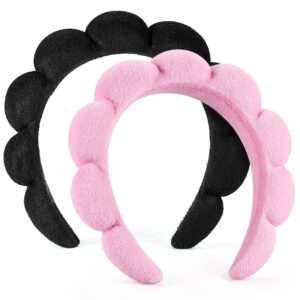
Beauty and spa headbands are designed for cleansing, skincare, makeup application, facial treatments, and home spa routines. They are usually made with terry, microfiber, fleece, coral fleece, plush, or soft elastic fabric. Q&N Beauty’s Spa & Makeup Headbands category is especially relevant for beauty brands and gift set buyers.Sports and Elastic Headbands
Sports and elastic headbands are used for fitness, yoga, running, wellness, and casual activewear. They should be soft, breathable, stable, and stretchable. For this category, function is more important than decoration.| Headband Type | Style Direction | Best Buyer | Key Quality Point |
|---|---|---|---|
| Wide Headband | Casual, modern, comfortable | Fashion retailers and lifestyle brands | Width, stretch, and fabric feel |
| Knotted Headband | Feminine, daily, boutique | Boutiques and ecommerce sellers | Knot shape and symmetry |
| Padded Headband | Premium, statement, polished | Fashion brands and gift retailers | Padding height and comfort |
| Fabric Wrapped Headband | Clean and structured | Retail collections | Fabric wrapping and edge finish |
| Bow Headband | Romantic, cute, seasonal | Kids, beauty, coquette brands | Bow balance and attachment strength |
| Spa Headband | Beauty and functional | Skincare and makeup brands | Softness, elasticity, absorbency |
| Sports Headband | Active and practical | Fitness and wellness brands | Stretch recovery and comfort |
Material Options for Custom Headbands
Material choice affects style, comfort, price, MOQ, durability, and brand positioning. A reliable Custom Headbands Manufacturer should explain the pros and limitations of each material before sampling.Satin Headbands
Satin headbands have a smooth and polished look. They are suitable for beauty brands, feminine fashion retailers, holiday collections, and premium gift sets. Satin works well for wide headbands, bow headbands, and padded headbands.The main quality points are fabric weight, shine level, seam finish, and color consistency. Thin satin may look low value, while overly shiny satin may not fit premium minimalist brands.Velvet Headbands
Velvet headbands feel rich, warm, and giftable. They are especially suitable for autumn and winter collections, holiday retail, boutique displays, and premium fashion accessories. Velvet colors such as burgundy, emerald, navy, black, plum, champagne, and chocolate often perform well in seasonal product lines.Cotton Fabric Headbands
Cotton fabric headbands feel natural and casual. They are suitable for lifestyle brands, kids’ collections, resort wear, and printed seasonal styles. Cotton also supports gingham, floral, stripe, fruit, and custom patterns.Terry and Microfiber Headbands
Terry and microfiber are common for spa and makeup headbands. These materials are soft and suitable for skincare routines, makeup application, washing, facial care, hotel amenities, and beauty gift sets. They can be customized with embroidery, woven labels, and matching pouches.Printed Fabric Headbands
Printed fabric headbands are useful for seasonal collections. Prints can include floral, gingham, stripes, polka dots, paisley, tropical patterns, animal print, brand patterns, or holiday motifs. Buyers should check print scale because patterns may look different once wrapped or knotted.Plastic Base and Sponge Padding
Structured headbands often use a plastic base and sponge padding. The base controls shape, while padding controls volume and comfort. If the base is too stiff, the headband may create pressure. If the sponge is too soft, the headband may lose structure.| Material | Best Headband Type | Advantages | Watch Out For |
|---|---|---|---|
| Satin | Wide, bow, padded headbands | Smooth, elegant, beauty-friendly | Fabric weight and seam quality |
| Velvet | Padded and fashion headbands | Rich texture and seasonal value | Pile direction and shedding |
| Cotton | Knotted and printed headbands | Natural, casual, printable | Shrinkage and thickness |
| Terry | Spa and makeup headbands | Soft, absorbent, beauty-friendly | Elastic quality and lint control |
| Microfiber | Beauty and spa headbands | Soft and lightweight | Hand feel and edge finish |
| Printed Polyester | Fashion and seasonal styles | Flexible pattern options | Color fastness and print scale |
| Plastic Base + Sponge | Structured padded headbands | Shape stability | Comfort and pressure points |
Customization Options for Headbands
Headbands are highly customizable because they can be adjusted in size, width, material, shape, padding, logo, and packaging. The right customization options should support brand identity while staying realistic for production, MOQ, and target price.Custom Size and Width
Size and width affect both comfort and appearance. A narrow headband feels subtle and easy to wear. A wide headband creates a stronger style statement. A spa headband needs enough width to hold hair away from the face. A sports headband needs stretch and stability.Custom Fabric and Color
Fabric and color are the strongest visual customization options. Retailers can use brand colors, seasonal palettes, Pantone matching, custom prints, or available market fabrics. For first orders, using available colors can reduce MOQ and lead time.Custom Shape and Padding
Shape and padding are important for structured headbands. Buyers can adjust padding height, knot shape, bow size, base curve, and side width. These details should be tested in samples because comfort and appearance can change quickly with small adjustments.Custom Logo and Label
Logo options include woven labels, embroidery, printed tags, hang tags, hot stamping on cards, and packaging logos. Fabric headbands often work well with woven labels. Spa headbands can use embroidery. Retail headbands often use branded paper cards or tags.Custom Retail Packaging
Retail packaging can include OPP bags, hang tags, paper cards, display boxes, gift boxes, barcode labels, and reusable pouches. Packaging should match the sales channel. A boutique may prefer a clean paper card. A beauty brand may prefer a gift pouch. A retail chain may require barcode labels and carton marks.| Customization Option | Impact on Product | Impact on Cost | Best Practice |
|---|---|---|---|
| Width | Changes style and coverage | Medium | Match width to target customer and use case |
| Fabric | Defines look and hand feel | Medium to high | Choose fabric based on season and price point |
| Color | Supports brand identity and seasonal story | Low to high | Use stock colors for tests, custom colors for repeats |
| Padding | Creates volume and statement effect | Medium | Test comfort before bulk production |
| Logo | Adds brand recognition | Low to high | Use method suitable for material |
| Packaging | Improves retail and gift value | Medium to high | Confirm barcode and display needs early |
How Fashion Retailers Develop Custom Headbands
Developing custom headbands becomes easier when the retailer and manufacturer follow a clear process. Q&N Beauty’s Custom Service page describes a one-stop customization process, including inquiry, quotation, sampling, production, quality control, packaging, and shipment. This is the type of workflow fashion retailers should expect from a professional supplier.Step 1 Define Target Customer and Style
Start by defining the target customer. Is the customer a young boutique shopper, a beauty consumer, a premium fashion buyer, a kids’ accessories customer, or an activewear consumer? This decision affects every later choice.Step 2 Choose Headband Type
Choose the headband type based on use case and sales channel. Wide headbands are strong for fashion styling. Knotted headbands are easy daily accessories. Padded headbands create statement value. Spa headbands fit beauty routines. Sports headbands need stretch and comfort.Step 3 Confirm Material Color and Pattern
After choosing the type, confirm fabric, color, and pattern. If the collection is seasonal, build a color story. If the product is for a brand launch, match the brand palette. If the product is for retail, consider colors that photograph well and display clearly.Step 4 Add Logo and Packaging
Logo and packaging should be planned together. For headbands, common options include woven label, embroidery, printed card, hang tag, gift pouch, and display packaging. Packaging can carry more information than the product itself, including barcode, material, care instructions, and brand message.Step 5 Approve Sample Before Production
A physical sample is essential. Check comfort, fabric hand feel, width, padding, color, logo position, stitching, elastic, packaging, and overall retail appearance. Do not approve bulk production only by digital mockup.Step 6 Arrange Bulk Order and Quality Check
After sample approval, confirm the final purchase order, quantity, color breakdown, packaging details, carton marks, shipping method, and inspection requirements. A reliable manufacturer should keep the approved sample as the production standard.| Development Step | Buyer Should Confirm | Factory Should Provide |
|---|---|---|
| 1. Target Customer | Retail channel, price point, style direction | Product suggestions and suitable references |
| 2. Headband Type | Wide, knotted, padded, spa, sports, bow | Available styles and customization options |
| 3. Material and Color | Fabric, Pantone, print, seasonal palette | Material availability, MOQ, lead time |
| 4. Logo and Packaging | Logo file, label, card, barcode, box | Logo method advice and packaging mockup |
| 5. Sample Approval | Fit, comfort, color, logo, packaging | Physical sample and revision support |
| 6. Bulk Production | Final quantity and delivery schedule | Production plan, QC, packing, shipment |
How to Choose the Right Headbands Manufacturer
Choosing the right Custom Headbands Manufacturer is critical for retailers that want stable quality, clear communication, predictable lead time, and retail-ready presentation. A weak supplier may offer a low price but create problems with fabric quality, sizing, stitching, logo placement, packaging, or delivery.Check Product Range and Factory Experience
A strong supplier should offer different headband types and understand how they are used. Ask whether the factory has experience with fashion headbands, spa headbands, sports headbands, padded headbands, bow headbands, and headband gift sets. Experience helps the factory give practical suggestions instead of only following photos.Check Material and Color Customization Ability
Material and color are key for headbands. The supplier should explain fabric options, stock colors, custom colors, print possibilities, padding options, and MOQ differences. Ask for material swatches before confirming large orders.Check Logo and Packaging Support
Fashion retailers usually need brand labels and retail packaging. Check whether the manufacturer can support woven labels, embroidery, hang tags, paper cards, barcode labels, display boxes, gift boxes, and custom pouches.Check MOQ Sampling and Lead Time
MOQ should be clear. Ask whether MOQ is counted by style, color, size, or total order. Sampling time and bulk production time should also be realistic. If the supplier promises an unusually short schedule for a complex project, ask for details.Check Quality Control and Export Experience
Quality control should include fabric inspection, cutting, stitching, shaping, logo checking, packaging checking, and final carton inspection. Export experience is also important for buyers in the U.S., Europe, Australia, and other markets. The supplier should understand invoices, packing lists, carton marks, labels, and shipping methods.| Supplier Checkpoint | Good Sign | Risk Sign |
|---|---|---|
| Product Range | Offers multiple headband types and materials | Only offers one basic style |
| Material Knowledge | Can explain satin, velvet, cotton, terry, microfiber, padding | Cannot explain material impact on price or quality |
| Customization | Supports logo, label, color, size, packaging | Only provides generic ready-stock products |
| Sampling | Provides physical sample and revision support | Pushes bulk order without sample approval |
| QC | Checks comfort, shape, stitching, color, logo, packaging | No clear inspection process |
| Export | Understands documents, labels, cartons, shipping | No experience with retail or overseas delivery |
Case Study: Custom Headbands for a Fashion Retailer
Project background: A fashion retailer wanted to launch a seasonal headband collection for boutique stores and ecommerce. The buyer needed products that could match apparel collections, display well in stores, and support private label branding.Initial request: The buyer first wanted six different headband types in many colors: padded velvet headbands, printed knotted headbands, bow headbands, spa headbands, wide cotton headbands, and sports headbands. The visual direction was strong, but the first launch became too complicated for MOQ, sampling, and inventory planning.Factory recommendation: The manufacturer suggested a more focused first collection. The final plan included three types: a padded velvet headband for premium styling, a printed knotted headband for daily fashion, and a soft spa headband for beauty gift sets. The color palette was narrowed to four seasonal colors.Branding solution: The padded and knotted headbands used a small woven label and hang tag. The spa headband used embroidery. Retail packaging included paper cards with barcode labels and one optional gift pouch for set packaging.Result: The retailer launched a cleaner and more manageable collection. The product range had enough variety for fashion and beauty customers, but not too many SKUs. Sampling was easier, MOQ was more practical, and the final products looked more consistent as a branded collection.| Decision Area | Original Plan | Final Solution | Reason |
|---|---|---|---|
| Product Range | Six headband types | Three focused types | Reduced SKU complexity |
| Color Plan | Many mixed colors | Four seasonal colors | Better brand consistency |
| Logo Method | Same logo method for all items | Woven label, hang tag, embroidery | Matched logo method to material |
| Packaging | Basic polybag only | Retail card and optional gift pouch | Improved store presentation |
| Launch Strategy | Large first launch | Focused test collection | Lower risk and better reorder planning |
Pros and Cons of Custom Headbands
Custom headbands are strong products for fashion retailers, but buyers should understand both their advantages and limitations before development.| Pros | Cons |
|---|---|
| Easy to customize with fabric, color, logo, and packaging | Too many styles can increase MOQ and sampling time |
| Strong styling value for fashion retailers | Comfort issues can hurt customer experience |
| Works well in seasonal collections | Custom prints or colors may require higher MOQ |
| Suitable for retail display and gift sets | Structured headbands need careful shape control |
| Can serve both fashion and beauty markets | Poor packaging can make the product look generic |
Common Questions About Custom Headbands
What Is the MOQ for Custom Headbands?
The MOQ for custom headbands depends on headband type, material, color, logo method, packaging, and order complexity. Stock materials and simple packaging usually allow more flexible quantities. Custom colors, special prints, new shapes, and gift boxes usually require higher MOQ.Can I Customize Headband Size and Fabric?
Yes. A professional manufacturer can usually customize headband width, length, padding, plastic base, elastic size, fabric, color, pattern, and finishing. Buyers should confirm these details during sampling before bulk production.Can I Add My Logo to Headbands?
Yes. Common logo methods include woven labels, embroidery, printed tags, hang tags, paper cards, stickers, gift pouches, and retail boxes. The best logo method depends on the headband material and brand positioning.Can Headbands Be Packed for Retail Sale?
Yes. Headbands can be packed with paper cards, hang tags, OPP bags, gift boxes, display boxes, barcode labels, and reusable pouches. Retail packaging should be confirmed early because it affects cost, MOQ, and production time.What Materials Are Best for Fashion Headbands?
Satin, velvet, cotton, printed polyester, ribbed fabric, tweed, PU, and padded sponge structures are common for fashion headbands. The best choice depends on season, brand style, price point, and target customer.How Long Does Custom Headband Sampling Take?
Sampling time depends on material availability, logo method, packaging complexity, and whether the style is based on an existing design or a new structure. Simple customization is faster, while custom fabric, embroidery, special padding, and packaging may take longer.What Should I Check Before Approving Headband Samples?
Check comfort, pressure behind the ears, fabric feel, stitching, width, padding, color, logo position, label quality, packaging fit, barcode area, and overall retail appearance. Keep the approved sample as the standard for mass production.Conclusion: Choose a Custom Headbands Manufacturer That Understands Retail
A reliable Custom Headbands Manufacturer should help fashion retailers do more than produce a simple accessory. The right supplier should support style selection, material sourcing, color development, logo placement, packaging design, MOQ planning, sampling, quality control, and export delivery.Custom headbands are strong products because they connect fashion styling, beauty routines, seasonal merchandising, and gift presentation. Wide headbands, knotted headbands, padded headbands, bow headbands, spa headbands, and sports headbands can all serve different customers when developed with the right material, shape, and packaging.Future headband development will likely focus on soft premium fabrics, padded statement shapes, beauty routine sets, satin and velvet textures, printed seasonal collections, sustainable materials, retail-ready packaging, and private label branding. Fashion retailers that combine trend awareness with comfort, quality, and strong packaging will have better long-term product potential.To develop your own custom headband collection, explore Q&N Beauty’s Headbands, Fabric Headbands, Fashion Headbands, Spa & Makeup Headbands, and Sports Headbands pages. For custom fabric, color, logo, MOQ, packaging, sampling, and bulk production support, visit the Custom Service page or contact Q&N Beauty to discuss your project.External Link Suggestions
- Market data reference: Grand View Research Hair Accessories Market Report
- Market data reference: Fortune Business Insights Hair Accessories Market Report
- Broader accessories market reference: Statista Accessories Market Forecast
- SEO quality reference: Google Search Central People-First Content Guide