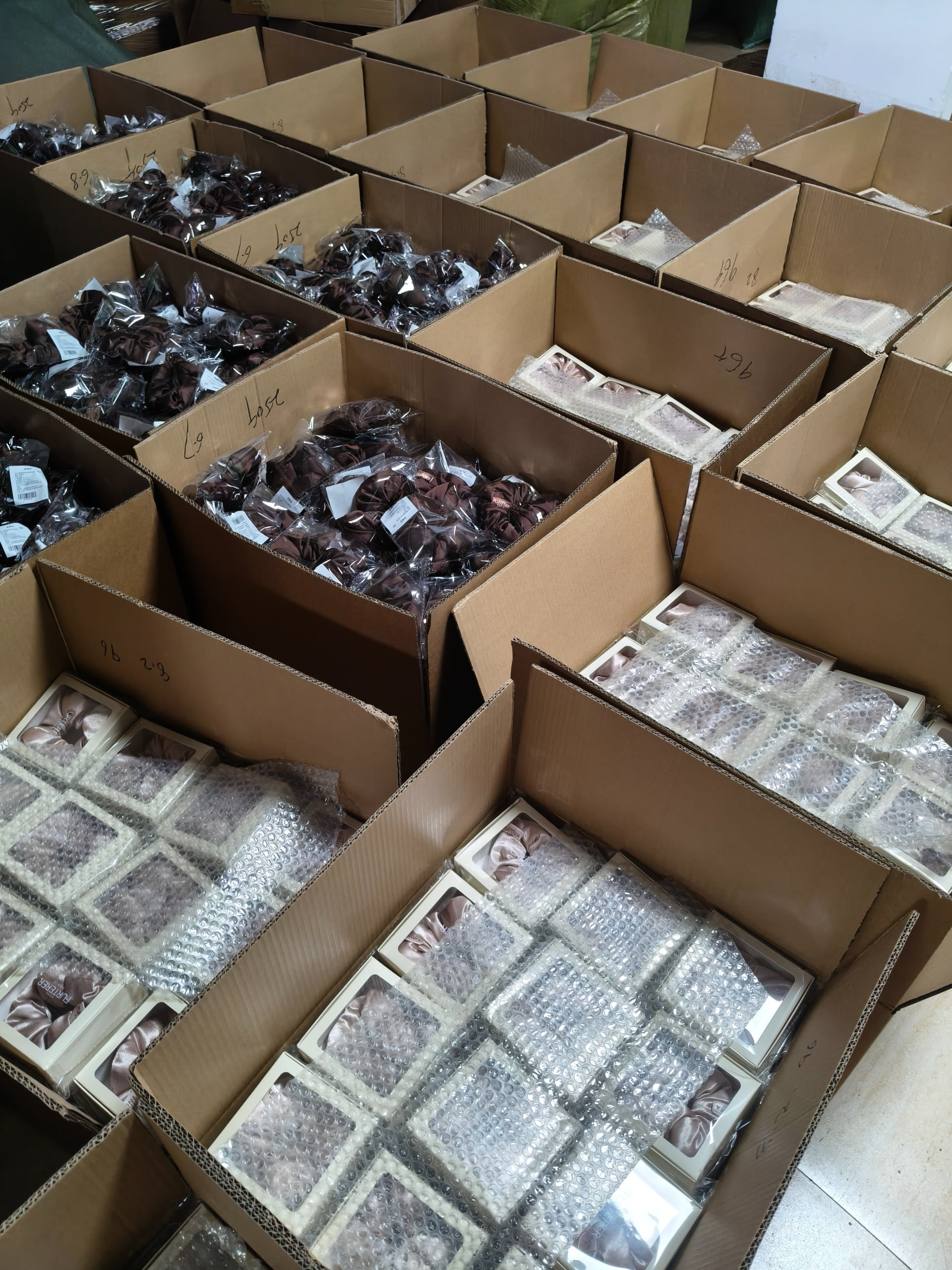

What Does a Custom Hair Clips Manufacturer Do?
A custom hair clips manufacturer supports product development from concept to production.
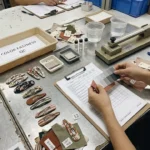
The process usually includes design review, material selection, color matching, mold or shape development, sample making, packaging design, bulk production, and final inspection.
Product Development from Idea to Sample
Buyers may start with reference images, sketches, market examples, brand mood boards, or a full tech pack.
A manufacturer helps turn these ideas into practical product details, including clip size, shape, material, color, spring type, logo placement, packaging, and retail display method.
Material, Color, and Shape Customization
Hair clips can be customized with acetate, acrylic, resin, plastic, metal, alloy, pearl, rhinestone, faux gem, or fabric decoration.
Brands can also request Pantone color matching, tortoiseshell effects, transparent finishes, matte textures, marble patterns, and custom clip shapes.
Bulk Production and Packaging Support
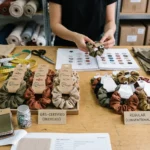
After sample approval, the manufacturer arranges bulk production, quality inspection, packing, labeling, carton marking, and shipment preparation.
For private label hair clips, packaging support is especially important because small accessories often rely on strong retail presentation.

Popular Types of Custom Hair Clips
Different hair clip styles serve different styling needs and retail markets.
A professional hair clip manufacturer should help buyers choose suitable clip types based on target customers, hair type, price range, and packaging format.
Claw Clips
Claw clips are one of the most popular categories in wholesale hair clips.
They are practical for everyday styling and can be developed in mini, medium, large, oversized, matte, transparent, tortoiseshell, acetate, acrylic, or resin designs.
Barrettes
Barrettes are suitable for polished hairstyles, fashion collections, bridal accessories, holiday sets, and premium retail displays.
They can be made with metal bases, acetate panels, pearl decoration, rhinestones, fabric bows, or minimalist finishes.
Snap Clips
Snap clips are lightweight, simple, and suitable for multi-pack retail sets.
They can be customized with printed fabric, enamel color, resin decoration, glitter, pearls, bows, or custom backing cards.
Duckbill Clips and Bobby Pins
Duckbill clips and bobby pins are useful for both styling and decoration.
They can be developed for salon use, makeup routines, fashion styling, bridal sets, and everyday accessory packs.

Common Materials for Custom Hair Clips
Material selection affects the appearance, grip, durability, weight, cost, and brand positioning of custom hair clips.
Buyers should choose materials based on product style, target market, order quantity, and retail price range.
Acetate and Acrylic
Acetate and acrylic are popular for claw clips, barrettes, and decorative hair clips.
They can support glossy finishes, transparent colors, tortoiseshell patterns, marble effects, and premium-looking surface textures.
Metal and Alloy
Metal and alloy are commonly used for barrettes, snap clips, bobby pins, duckbill clips, and clip bases.
They are suitable for minimalist designs, polished finishes, gold-tone hardware, silver-tone hardware, and decorative statement pieces.
Resin and Plastic
Resin and plastic can be used for colorful, lightweight, and cost-effective hair clip designs.
They are suitable for trendy shapes, seasonal colors, kids’ collections, promotional packs, and mass retail accessory lines.
Pearl, Rhinestone, and Decorative Details
Pearl, rhinestone, faux gem, enamel, glitter, bow, and fabric details can add stronger visual appeal.
These decorations are useful for bridal, party, holiday, gift, teen, and fashion-focused collections.

Custom Design Options for Brands
For private label hair clips, customization is not limited to the product itself.
Brands can also customize color, logo, surface finish, hardware, backing cards, tags, barcodes, and retail packaging.
Custom Shapes and Mold Development
Custom shapes can help a brand create a more recognizable product line.
Depending on the material and structure, some designs may require mold development, especially for unique claw clip shapes, resin clips, or signature decorative parts.
Pantone Color Matching
Pantone color matching helps brands maintain consistent color stories across claw clips, barrettes, scrunchies, headbands, cosmetic bags, and gift sets.
This is useful for seasonal drops, brand collections, and retailer-exclusive colors.
Logo Printing, Engraving, or Metal Branding
Logo options may include logo printing, engraving, laser marking, embossed details, metal logo tags, branded charm details, or logo placement on packaging cards.
The best option depends on the clip material, logo size, and brand style.
Custom Back Cards, Tags, and Retail Packaging
Hair clips are small products, so packaging plays a major role in retail presentation.
Common options include custom back cards, hang cards, paper tags, barcode labels, OPP bags, display trays, gift boxes, and multi-piece set packaging.

Quality Points Buyers Should Check
Quality control is important when sourcing from a custom hair clips manufacturer.
Buyers should check not only the appearance, but also grip strength, spring durability, surface finish, edge smoothness, and color consistency.
Clip Grip Strength
Hair clips should hold hair securely without feeling too tight or too loose.
Grip strength should match the product type, size, and target hair type. Oversized claw clips, for example, need stronger hold for thick or long hair.
Spring Durability
For claw clips and some barrettes, spring quality affects product lifespan.
Buyers should check whether the spring opens and closes smoothly, returns properly, and remains stable after repeated use.
Smooth Edges and Surface Finish
Hair clips should have smooth edges to reduce hair pulling and improve comfort.
The surface should be clean, polished, and free from obvious scratches, glue marks, sharp points, color stains, or uneven coating.
Color Consistency Across Bulk Orders
Color consistency is important for retail collections and repeat orders.
Buyers should confirm approved color samples and understand that different material batches may have slight shade differences.

How to Prepare a Hair Clip Project for Quotation
A clear quotation request helps the manufacturer provide accurate pricing and sampling suggestions.
Before contacting a hair clip factory for bulk orders, buyers should prepare product references and basic specifications.
Reference Images or Tech Pack
Reference images, sketches, sample photos, or a tech pack can help explain the desired style.
If the buyer does not have a technical file, a clear description of the clip type, target market, and expected look is still useful.
Size, Material, and Color Requirements
Buyers should confirm the clip size, material, finish, color, pattern, and hardware tone.
For example, a custom acetate claw clip may require different quotation details from a metal barrette or rhinestone snap clip.
Logo and Packaging Details
Logo method and packaging affect both cost and production time.
Buyers should provide logo artwork, packaging layout, back card size, barcode requirements, hang tag information, and any retail display needs.
Target Quantity and Delivery Timeline
Quantity affects unit price, material planning, mold cost, packaging cost, and production schedule.
Buyers should also share the target delivery date so the manufacturer can suggest a suitable production and shipping plan.

Procurement Tips for Wholesale Buyers
Wholesale hair clips may look simple, but small details can affect quality, cost, retail presentation, and delivery.
Buyers should confirm important procurement points before placing a bulk order.
Confirm MOQ and Price Breaks
MOQ depends on the clip type, material, mold requirement, color, packaging, and logo method.
Buyers can ask for price breaks at different quantities to compare cost options for wholesale hair clips.
Request Samples Before Bulk Production
Samples help buyers check size, color, grip strength, spring function, surface finish, logo effect, and packaging.
A sample approval process can reduce misunderstandings before mass production.
Check Packaging for Retail Display
For small accessories, packaging can strongly affect the retail look.
Buyers should check whether the back card, hang hole, barcode position, product name, material information, and set arrangement match the sales channel.
Confirm Inspection Standards Before Shipment
Inspection standards should cover appearance, size, color, logo, spring function, clip grip, edge smoothness, packaging, carton marks, and quantity.
Approved samples should be used as the reference for final inspection.

FAQ
What is the MOQ for custom hair clips?
MOQ depends on the hair clip type, material, color, mold requirement, logo method, and packaging.
Simple styles may have lower MOQ, while custom molds, special colors, and private label packaging may require higher quantities.
Can hair clips be customized with a brand logo?
Yes. Hair clips can be customized with logo printing, engraving, laser marking, metal logo details, branded charms, custom back cards, hang tags, barcode labels, and retail packaging.
What material is best for premium hair clips?
Acetate, high-quality acrylic, polished metal, pearl details, rhinestones, and refined resin are commonly used for premium hair clips.
The best choice depends on the desired style, weight, finish, and target price.
How long does it take to make custom hair clip samples?
Sample time depends on material availability, shape complexity, color requirements, logo method, packaging, and whether a new mold is needed.
Buyers should confirm sample timing before starting the project.
Can a manufacturer produce matching hair accessory sets?
Yes. A hair accessories manufacturer can develop matching sets with claw clips, barrettes, snap clips, bobby pins, scrunchies, headbands, bows, cosmetic bags, and gift packaging.

Conclusion: Choose a Custom Hair Clips Manufacturer That Supports Design, Quality, and Retail Packaging
A reliable custom hair clips manufacturer should support more than basic production.
The right supplier should understand clip types, material differences, custom shapes, Pantone colors, logo options, packaging design, quality control, MOQ, sampling, and bulk delivery requirements.
Future custom hair clip trends will continue to focus on oversized claw clips, mini clip sets, acetate patterns, tortoiseshell effects, transparent colors, minimalist metal barrettes, pearl and rhinestone details, custom packaging, and matching hair accessory sets.
If you are developing wholesale hair clips, private label hair clips, custom claw clips, acetate barrettes, snap clips, or matching custom hair accessories, prepare your reference images, size, material, color, logo, packaging, quantity, and delivery timeline before requesting a quotation.
Contact QNBeauty for Custom Hair Clips