Imagine a world where every hair accessory seamlessly blends fashion with functionality, transforming a simple hairstyle into a statement. In today’s competitive beauty and personal care industry, hair accessories are no longer mere tools—they’re coveted style enhancers. For B2B buyers, understanding the nuances of this market can unlock significant sales opportunities.
Luxury Meets Functionality: A Growing Market for Hair Accessories
The global hair accessories market is projected to reach $31.6 billion by 2028, growing at a CAGR of 7.3% (Grand View Research, 2023). This growth is fueled by increasing consumer demand for versatile, high-quality products that cater to both everyday use and special occasions. Popular categories include barrettes, hair clips, headbands, and scrunchies, with premium and luxury options gaining significant traction.
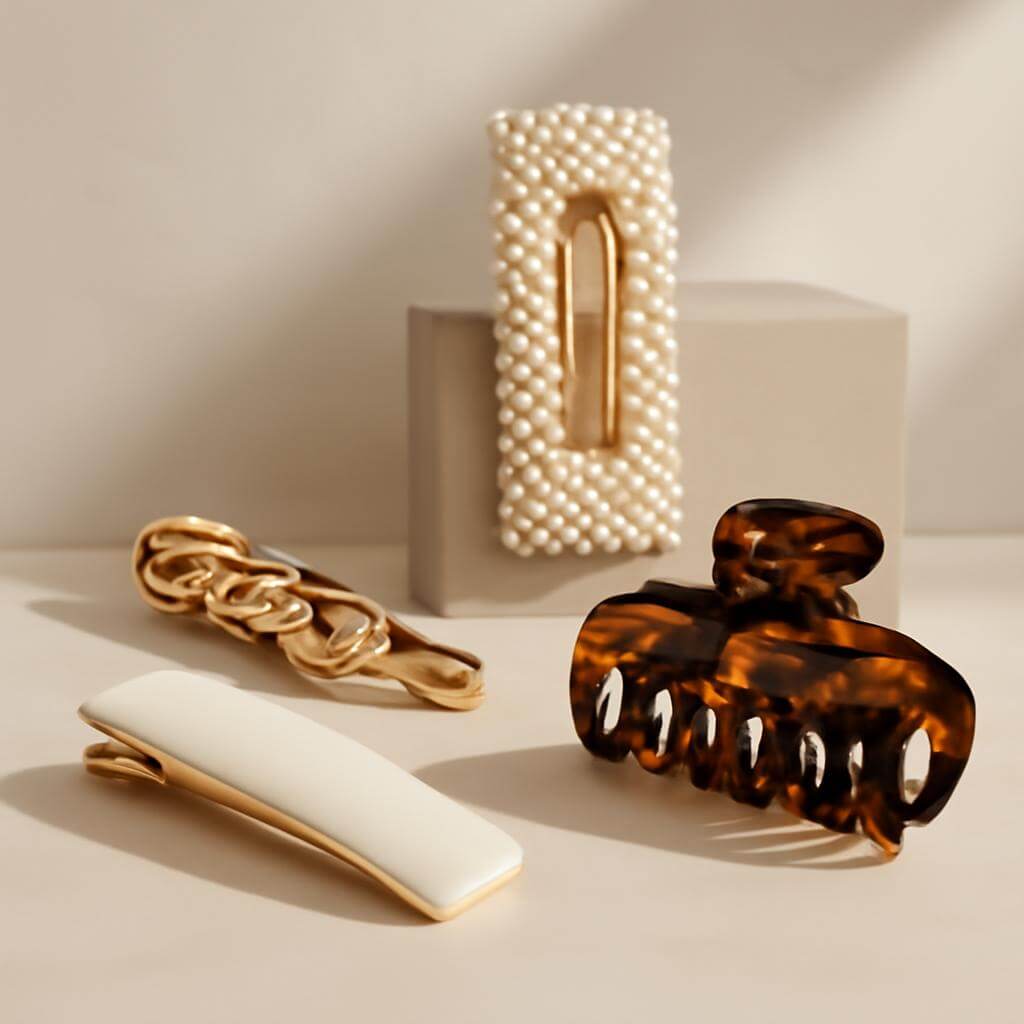
Consumers are moving beyond basic functionality, seeking accessories that reflect their personality and complement their lifestyle. For instance, metallic barrettes and pearl-studded hair clips are trending for their ability to elevate even the simplest updos. Similarly, claw clips are making a stylish comeback, offering both convenience and chic appeal.
Regional trends also play a role. In North America, minimalist designs dominate, while in Asia-Pacific, vibrant, embellished pieces are highly sought after. This diversity underscores the importance of offering a wide range of products to meet varying consumer preferences.
Deep Dive: Expert Insights on Designing for Success
“The hair accessories market is all about balancing aesthetics with practicality,” says Dr. Emily Carter, a product development specialist with over a decade of experience in beauty accessories. “Brands that innovate with materials—such as eco-friendly fabrics or hypoallergenic metals—are better positioned to capture eco-conscious consumers.”
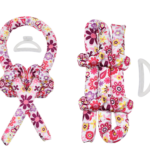
Consider the rise of heatless rollers, an innovative alternative to traditional curling methods. A 2024 Euromonitor study revealed that 62% of consumers prefer tools that minimize hair damage. This trend highlights the growing demand for accessories that enhance hair health while delivering on style.
For businesses, offering customization options—such as monogrammed barrettes or color-matching services—can further differentiate their brand. Additionally, sourcing from certified manufacturers like 7STAR, known for their FDA, GMP, and ISO 22716-compliant facilities, ensures consistent quality and compliance with global standards.
Industry Standards & Best Practices for Hair Accessories
Adhering to regulatory standards is non-negotiable in the hair accessories market. For example, in the United States, the FDA regulates materials used in hair accessories to ensure they are free from harmful substances. Similarly, the EU Cosmetics Regulation mandates safety assessments for products sold within its jurisdiction.
For manufacturers and distributors, certifications such as GMP (Good Manufacturing Practices) and ISO 22716 are critical markers of quality. These certifications not only build trust with retailers but also reassure end consumers of product safety.
Another best practice is transparent labeling. Providing detailed information about materials, usage scenarios, and care instructions can enhance the user experience and reduce returns. Businesses can also differentiate themselves by offering eco-friendly packaging, aligning with the growing sustainability movement.
Implementation Guide: Driving B2B Success with Hair Accessories
To succeed in the competitive hair accessories market, businesses must focus on differentiation and customer-centric strategies. Here are actionable steps to consider:
- Curate Trend-Driven Collections: Offer seasonal collections featuring trending designs like velvet scrunchies in winter and floral barrettes in spring.
- Leverage Data Insights: Use consumer data to identify high-demand products and optimize inventory accordingly.
- Partner with Trusted Manufacturers: Collaborate with experienced suppliers like 7STAR, which offers low MOQs starting from 500 units and over 5000 proven formulations.
- Enhance Digital Presence: Invest in high-quality product images, SEO-optimized descriptions, and user-friendly e-commerce platforms.
By implementing these strategies, businesses can not only attract but also retain a loyal customer base.
Future Outlook & Strategic Recommendations
As the hair accessories market continues to evolve, businesses should keep an eye on emerging trends such as smart accessories and augmented reality (AR) try-on tools. According to McKinsey, AR technologies can increase customer engagement by 35% during online shopping experiences.
Looking ahead, brands that prioritize innovation, sustainability, and customer experience will lead the market. For companies ready to elevate their offerings, partnering with industry leaders like 7STAR ensures access to cutting-edge solutions and expert guidance.
Frequently Asked Questions
What are hair accessories called?
Hair accessories encompass a wide range of products designed to style, secure, or enhance hair. Common categories include barrettes, hair clips, scrunchies, headbands, and claw clips. These items serve both functional and decorative purposes, catering to diverse consumer needs.
What are some accessories for hair?
Popular hair accessories include barrettes, ties, bobby pins, claw clips, and headbands. For special occasions, embellished options like pearl-studded clips or rhinestone headbands add a touch of elegance. Everyday staples like scrunchies and minimalist pins offer practicality and style.
What is another name for a hair clip?
Hair clips are also referred to as barrettes, hairpins, or hair slides. The terminology often varies by region, but all these terms describe tools used to secure or decorate hair.
What are some classic hair accessories?
Classic hair accessories include tortoiseshell barrettes, silk scrunchies, and satin headbands. These timeless pieces have remained popular due to their versatility and ability to complement various hairstyles and outfits.
What are the best hair accessories for kids?
The best hair accessories for kids prioritize safety and comfort. Soft fabric headbands, small claw clips, and non-slip hair ties are great choices. Additionally, colorful designs featuring characters or patterns are popular among younger audiences.
How do I choose sustainable hair accessories?
Look for products made from eco-friendly materials like bamboo, recycled plastic, or organic fabrics. Brands that offer minimal or biodegradable packaging also demonstrate a commitment to sustainability. Collaborating with suppliers like 7STAR ensures access to ethically produced accessories.